What is square footage?
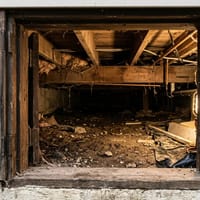
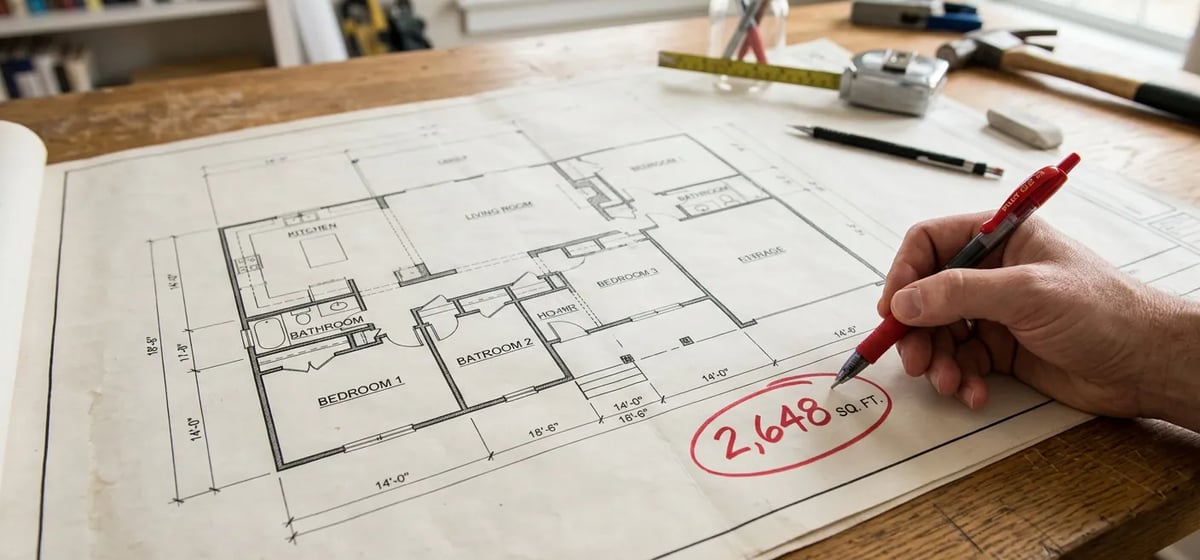
Square footage is the total floor area of your home. You calculate it by multiplying the length of each room by its width. Real estate agents use this number to determine the market value of your house. It only includes finished spaces you can actually live in. This means garages, porches, and unfinished basements don't count toward the official total.
The term combines the shape of the measurement with the standard unit of length. It became the standard way to measure property size in the United States during the housing boom of the 20th century. Today, it is the most common metric used to describe how big a house is.
Why your home size matters
Your home size affects almost every part of homeownership. Local governments use it to calculate your property tax bill. If your home is 2,000 square feet, you'll pay more in taxes than a neighbor with a 1,500 square foot home. You can learn more about this in our guide to Property Taxes & Home Finances.
It also dictates how much it costs to heat and cool your house. A larger home needs a bigger furnace and air conditioner. You can check out our HVAC & Climate Control section for details on properly sizing your equipment.
Finally, contractors use this number to quote jobs. If you want new wood floors, installers charge by the square foot. Materials and labor for hardwood flooring usually run 8 to 15 dollars per square foot, though prices vary by location.
Where you run into it
You'll see this number on real estate listings, appraisal reports, and tax assessments. You'll also use it when you buy materials for DIY projects like painting or laying tile. Paint cans tell you exactly how many square feet they cover. One gallon of paint usually covers 350 to 400 square feet.
When you hire a professional, they'll ask for your room dimensions before they give you an estimate. Every time you improve or maintain your home, this measurement comes into play. Common tasks that rely on this number include:
- Ordering roofing shingles or siding materials.
- Getting quotes for a whole house cleaning service.
- Buying lawn fertilizer or grass seed for your yard.
- Figuring out how many moving boxes you might need.
How to measure your space
You can measure your own rooms with a standard tape measure. Pick a room and measure the longest wall. Then measure the shortest wall. Multiply those two numbers together. If your bedroom is 10 feet wide and 12 feet long, it is 120 square feet.
Do this for every finished room in your house. Add all those numbers together to get your total living area. Don't forget that hallways and closets count too. Just break them down into simple rectangles, measure the length and width, and add them to your total. If you have an odd shaped room, split it into two smaller rectangles to make the math easier.
What to watch out for
The size listed on your county tax record isn't always correct. Sometimes builders make changes during construction that never make it to the official paperwork. Other times, a previous owner might have finished a basement without pulling a permit.
Keep an eye out for discrepancies when you buy a house. Appraisers measure from the outside walls, while you might measure from the inside walls. This small difference can change the total by a few percentage points. Also, pay attention to ceiling height. Most rules require a ceiling to be at least 7 feet tall for the room to count as living space. Sloped ceilings in an attic bedroom might not count if they are too low. Always double check the numbers if a contractor gives you a quote that seems way too high.