What It Is
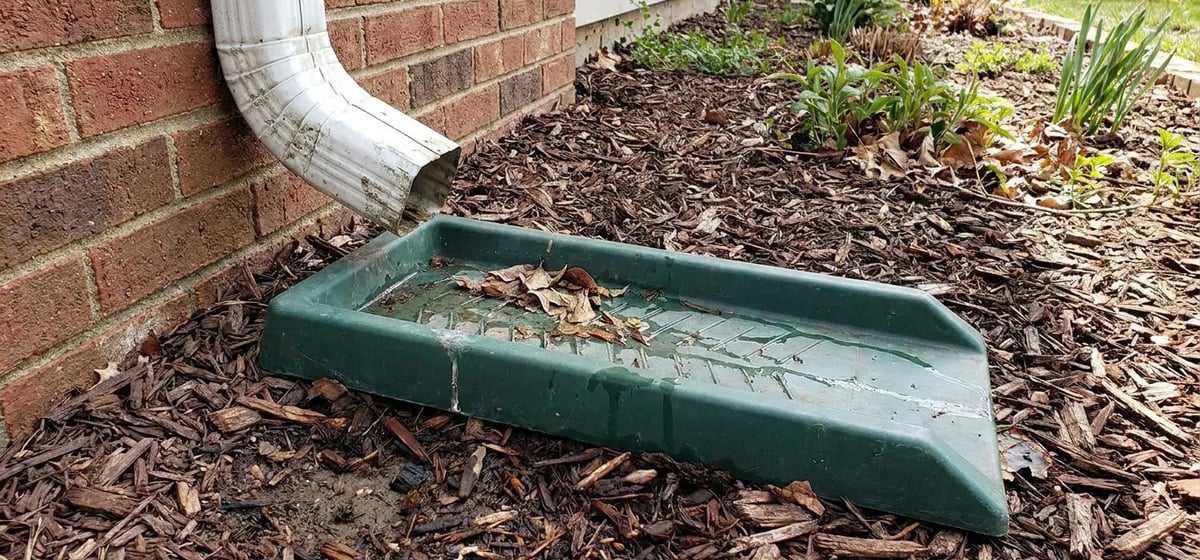
A splash block is a simple but important part of your home drainage system. It's a rectangular tray made of plastic, concrete, or metal. You place it directly under the end of your gutter downspout. When it rains, water rushes down the pipe and hits this block instead of digging a hole in your yard. The block has a sloped shape, usually with raised edges on three sides and an open front. This catches the heavy flow of water and guides it safely away from your house. Builders started using these blocks heavily in the mid 1900s when modern gutters became standard. The name is a literal description of its job, as it blocks splashing water.
Why It Matters To You
Rainwater is a huge threat to your house if you don't control it. A single storm can dump hundreds of gallons of water near your walls in minutes. Without a splash block, that fast moving water pounds directly into the dirt. This creates a deep, muddy pit next to your house. Mud will splash up and ruin your paint or siding. You can learn more about protecting your outside walls in our guide to Exterior: Siding, Garage & Decks.
Worse, that standing water soaks deeply into the ground right next to your house. Over time, this trapped water puts massive pressure on your basement or crawlspace walls. It can cause cracks, mold, and serious structural damage. A well placed splash block pushes the water away where the ground can absorb it safely. This keeps the soil around your Foundation & Structure dry and stable. It also prevents soil erosion that can wash away your flower beds.
Materials And Costs
You can buy splash blocks at any local hardware store. They come in a few different materials. Your choice depends on your budget, your weather, and how you want your yard to look. Costs generally range from 5 to 50 dollars each, though prices vary depending on where you live.
- Plastic or Resin: These are lightweight and very affordable. They usually cost 5 to 15 dollars. They're easy to pick up and move when you mow the lawn. However, heavy winds can easily knock them out of place.
- Concrete: These are heavy, tough, and durable. They typically cost 15 to 30 dollars. Because they weigh a lot, they stay firmly in place during bad storms. The main downside is they're heavy to lift. They can also crack over the years if they freeze and thaw too many times.
- Metal or Decorative: Some blocks are made of cast iron or molded resin shaped like frogs or turtles. These usually cost 20 to 50 dollars. They add a nice custom touch to your garden, but they do the exact same job as the cheap plastic ones.
What To Watch For
A splash block only works if it stays in the right spot. You need to check on them a few times a year. Make sure the open end points directly away from your house. Sometimes, lawnmowers or pets bump them. If a block gets turned sideways, it will dump all that roof water straight into your foundation.
Check the dirt slope under the block. The ground itself must tilt away from your house. If the ground sinks over time, the block will tilt backward toward the wall. Water will pool at the base of your siding instead of draining into the yard. You might need to pack some extra dirt under it to fix the angle.
If you still have large puddles near your house even with a splash block, the block might not be enough. You might need a longer plastic downspout extension or an underground drain pipe. You can read more about dealing with stubborn yard water in our guide to Landscaping, Drainage & Outdoor.