What is a trellis?
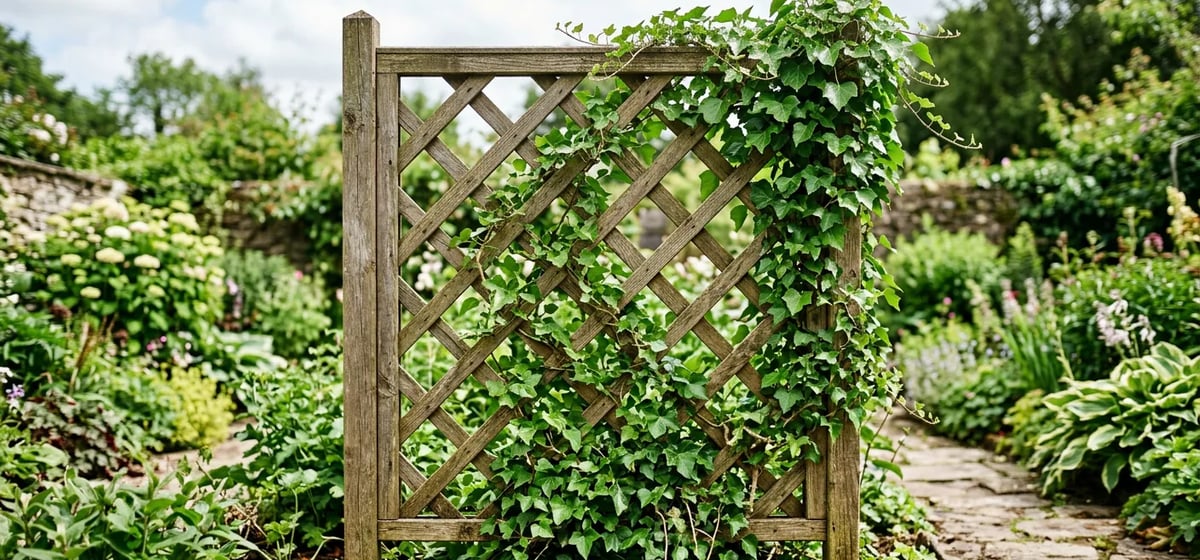
A trellis is a framework made of wood, metal, or vinyl that supports climbing plants. It gives vines, roses, and vegetables a place to grab onto as they grow upward. You'll usually see them leaning against walls or attached to fences. They have an open, crisscross pattern that lets plants weave their way through the gaps. They come in many shapes, including flat panels, fan shapes, and even tall obelisks that stand on their own.
The word itself has a long history. It comes from the Latin word trilix, which meant a fabric woven with three threads. Gardeners in the Middle Ages borrowed the term to describe their woven, crisscrossed wooden garden structures. Today, a trellis serves the exact same purpose in modern yards.
Why it matters for your yard
Adding a trellis doesn't just make your garden look nice. It actually keeps your plants much healthier. When heavy vines or vegetables like cucumbers sit on damp soil, they can rot or catch diseases easily. Lifting them into the air keeps them dry and gives them plenty of sunlight. Climbing flowers also attract bees and hummingbirds right to your eye level.
It's also a great space saver. If you have a small yard, you can grow plants up instead of out. This leaves you more room for a patio or a lawn. They also create a natural privacy screen. A tall frame covered in thick ivy or jasmine can block the view from a neighbor's yard. If you are planning your Landscaping, Drainage & Outdoor projects, this is a very easy weekend upgrade.
Common materials and costs
You can find these structures at any garden center or hardware store. The material you choose changes how long it lasts and how much it costs. Keep in mind that prices vary based on where you live and the exact size you buy.
- Wood: Cedar and redwood are the most popular choices because they resist rot. A basic wooden frame costs 50 to 150 dollars.
- Metal: Iron or steel options are very strong and can hold heavy plants like wisteria. They often feature decorative curves. Expect to pay 100 to 300 dollars for a good metal unit.
- Vinyl: Plastic or vinyl frames are lightweight and never rot. They'll usually cost 40 to 100 dollars.
Where to place them
You have a few choices for where to put your climbing frame. Many homeowners attach them directly to a wooden fence. This turns a boring fence into a green wall. You can also buy freestanding versions that stick right into the dirt. These are perfect for the middle of a garden bed.
Another popular spot is right against the side of your house. This softens the look of a large brick or siding wall. However, you need to be careful when you put plants near your home's Exterior: Siding, Garage & Decks.
What to watch out for
Maintenance is pretty simple, but you do need to keep an eye on a few things. First, check your wooden frames every spring for rot. Even cedar will eventually break down when it sits in wet soil. If the bottom legs rot, a strong gust of wind can blow the whole thing over. If you buy a metal frame, watch for rust spots. A quick coat of rust-proof spray paint every few years will keep it looking brand new.
You'll also need to prune your plants. Some vines grow incredibly fast and get very heavy. If a plant gets too big, its weight can pull the frame out of the ground or rip it off your fence. Trim the vines back at the end of the growing season so the structure stays secure all winter.