
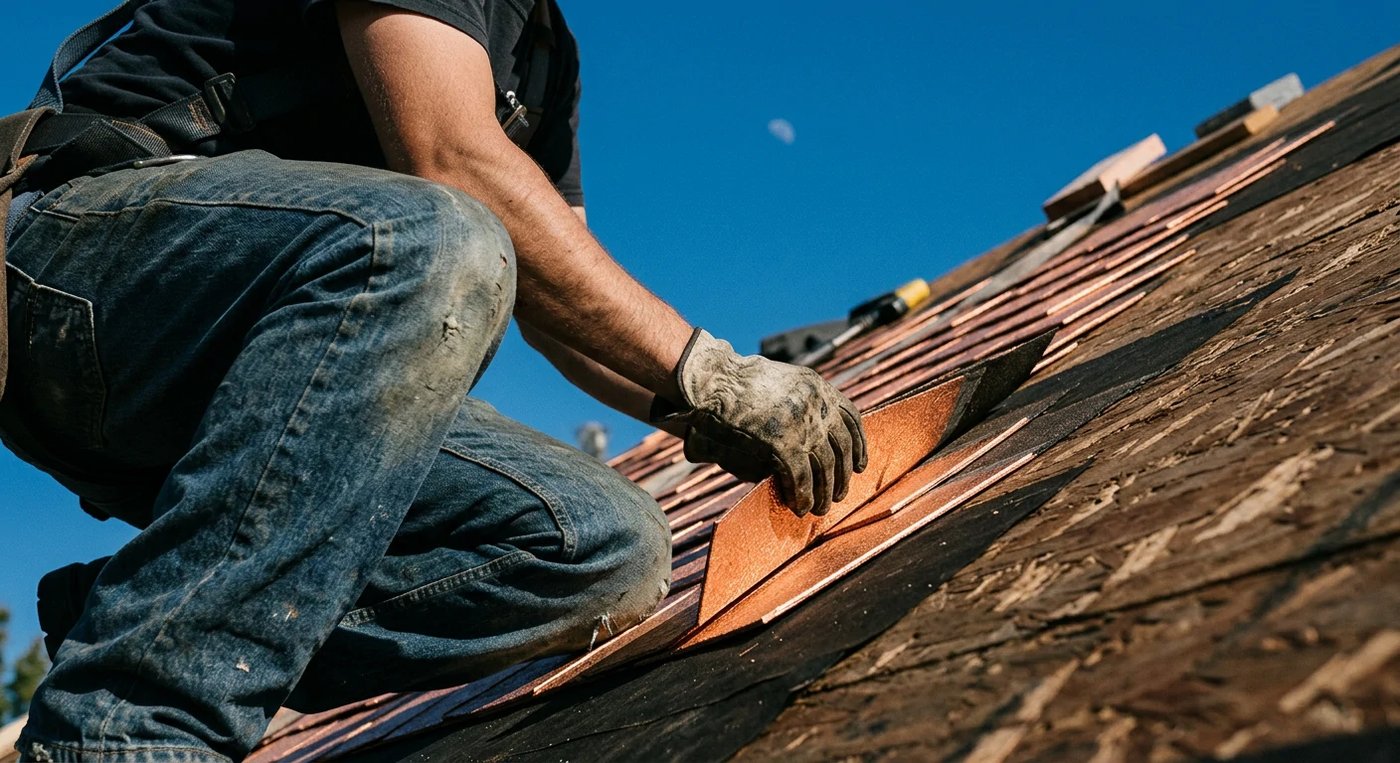
Storm season brings out two things you never want on your property: aggressive winds and shady contractors. State authorities are cracking down on massive roofing scams, and insurance companies are looking for any excuse to deny storm claims. It's time to take a hard look at your home's physical defenses.
State crackdowns on roofing scams
Florida is leading a major crackdown on deceptive home repair contractors. The state's Attorney General just filed a lawsuit against Evolve Construction & Restoration. According to Insurance Journal, the company allegedly took massive insurance payouts from homeowners and simply vanished.
The operation used shady contingency agreements that lacked itemized estimates and the cancellation language required by state law. When homeowners complained, the company threatened to put liens on homes and push for foreclosures. They did this without doing a single day of work or buying any materials. The worst part is the target list: a huge majority of the complaints came from senior citizens.
Homeowners in Oklahoma reported similar ghosting after handing over downpayments for roof replacements. It's a harsh reminder. That friendly contractor knocking on your door after a bad storm might be selling a massive headache.
The insurance trap on your roof
Even if you avoid the scammers, your insurance carrier is waiting in the wings. Carriers are getting incredibly strict about pre-existing damage, as USA Today reports. If water gets into your house during a storm, the adjuster will look for signs that your roof was already failing. Find evidence of long-term wear or poor maintenance, and they can outright deny your water intrusion claim.
Wind rarely rips off a perfectly good roof all at once. It hunts for the weakest spot, lifts it, and peels back the structure from there. You need to find those weak spots first.
Check your gutters for excessive asphalt granules. That's a clear sign your shingles are breaking down. Look for any sagging sections that point to rotting wood or weakened rafters underneath.
Looking below the surface
While you're auditing your home's exterior, check on your energy systems. The federal government recently updated its guidance on high-efficiency home upgrades, and the Department of Energy (.gov) is throwing its weight behind geothermal heat pumps.
These systems use constant underground temperatures to heat and cool your house. The government now officially says they work efficiently in all 50 U.S. states. You don't need to live in a specific, mild climate to make the math work on a major energy upgrade anymore.
The bottom line for you
- Take time-stamped photos of your roof, attic, and gutters right now. If a storm hits, you'll need proof of what condition your property was in before the wind started howling.
- If you're replacing an aging roof, read up on how to hire the right contractor so you don't accidentally fund a scammer's vacation. Our roofing guide walks you through the red flags.
- Thinking about upgrading your climate control? Geothermal is popular right now, but standard systems are incredibly efficient too. Check out our HVAC and climate control guide to see what fits your property and budget.