
You've probably noticed your electricity bill creeping up lately, even if you haven't touched the thermostat. Standard inflation plays a part, sure. But a growing chunk of your monthly statement is actually subsidizing the artificial intelligence boom. The massive data centers powering today's tech require an astonishing amount of electricity. Everyday homeowners are quietly footing the bill for the necessary grid upgrades.
Why your utility bill is funding the tech boom
Right now, the server farms thinking up recipes and generating images for the world are pulling massive amounts of power. Data center electricity consumption is projected to grow to between 9% and 17% of the national total by 2030. When a tech giant drops a new facility in your county, the local utility has to upgrade transmission lines and power plants just to keep the lights on.
The catch is how those upgrades get funded. Large AI data centers often pay less per kilowatt hour than residential customers thanks to volume discounts, NPR reports. That leaves regular households to absorb the multibillion-dollar infrastructure costs. The PJM regional grid estimates that these massive facilities have cost their ratepayers a fortune over the last two years. They push up the baseline cost of simply keeping your refrigerator running.
What's happening in your state
State lawmakers are finally noticing the friction between tech growth and household budgets. Kansas, Michigan, and Delaware have begun seeking financial commitments like 'minimum bills' from large-load customers to protect residential rates, according to Daily Energy Insider.
The debate has also reached Washington. The Ratepayer Protection Act passed the House in September 2026. If it clears the Senate, the legislation will let utilities hold these tech giants directly responsible for the increased grid costs they cause.
Digging for your own energy savings
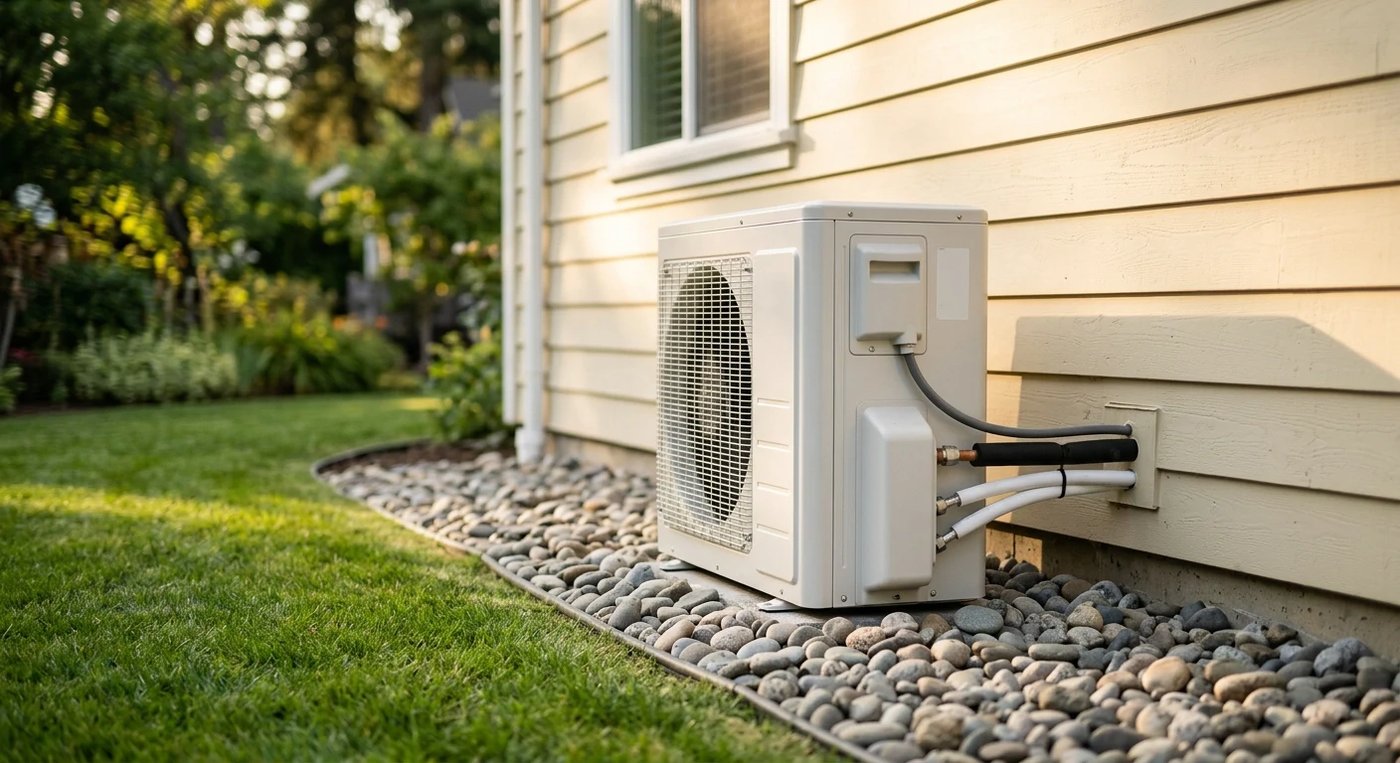
With grid power getting more expensive, you might be looking for permanent ways to cut your own consumption. The One Big Beautiful Bill Act updated federal energy tax credit provisions. That means fresh financial incentives to install high-efficiency home tech.
Geothermal heat pumps are a smart long-term solution. They pull from constant subsurface temperatures to provide heating and cooling in all 50 U.S. states. The Department of Energy advises contacting a geothermal designer or professional engineer, rather than an installer, for your initial system assessment. It takes a bit of planning to get the right setup. But tapping into the earth's steady temperature is one of the most reliable ways to insulate yourself from unpredictable utility hikes.
The bottom line for you
- Upgrading to a geothermal system or a standard heat pump usually requires some wiring updates. Check our electrical guide to see if your current panel can handle the load safely.
- Tired of paying for grid upgrades? It might be time to generate your own power. Our solar panels guide breaks down how to calculate your break-even point.
- Before you call a contractor for a major climate control overhaul, read our HVAC guide. It explains the core differences between air-source and ground-source systems.