What a Thermostat Is
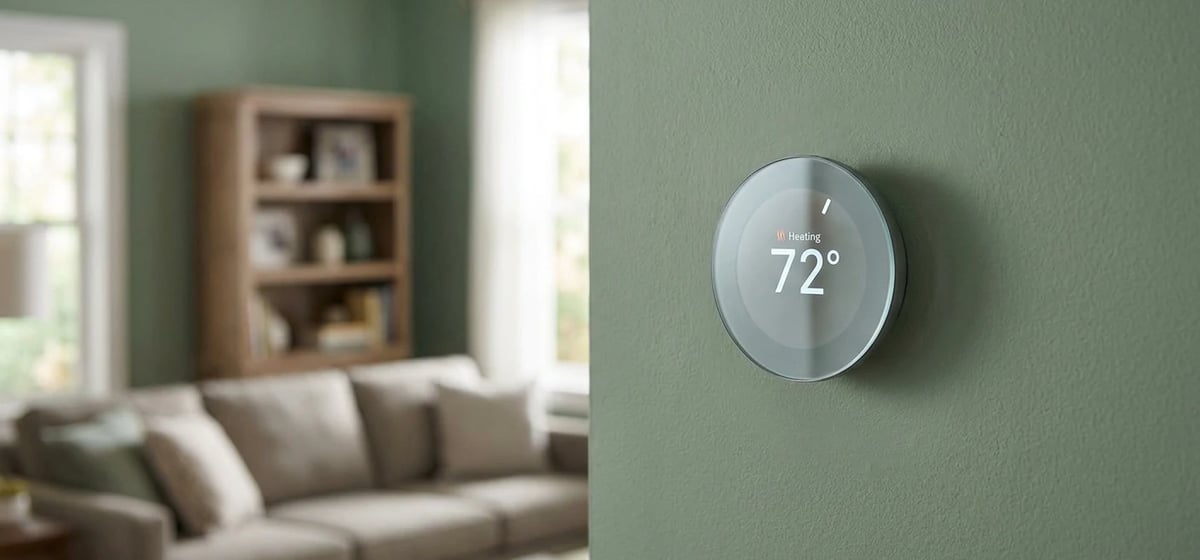
A thermostat is the control center for your home heating and cooling setup. You'll set your desired room temperature on this small wall device. It acts like a traffic cop for your air. It constantly measures the air temperature in the room. When the room gets too cold, it tells your furnace to turn on. When the room reaches your target temperature, it tells the furnace to stop.
The word itself comes from the Greek words thermos meaning hot and statos meaning standing. An inventor named Andrew Ure coined the term back in 1830 for his temperature control patent. Today, it's a key part of your HVAC & Climate Control system. It keeps your house comfortable in the winter and cool in the summer.
Types of Thermostats
You'll find three main types of thermostats in most homes today.
- Manual thermostats: These are the older models with a dial or a simple slider. You adjust them by hand every time you want a change.
- Programmable thermostats: These let you set a daily or weekly schedule. You can tell the system to drop the heat while you are at work and warm up before you get home.
- Smart thermostats: These connect to your home internet. You can control them from your phone. Many smart models even learn your daily habits to save energy automatically.
How Much They Cost
Replacing a thermostat is a very common home improvement project. A basic manual or programmable model usually costs 20 to 50 dollars at the hardware store. A modern smart thermostat will cost 100 to 300 dollars. If you hire a professional to install it, expect to pay another 100 to 200 dollars for their time and labor. Keep in mind that price ranges vary depending on your city and the exact model you choose.
Your local utility company might even offer a rebate if you buy an energy saving model. If you need help finding a pro to wire it up, check our guide on Hiring Contractors & What Things Cost.
Upgrading Your Thermostat
Many people choose to install a smart thermostat during Your First Month as a Homeowner. It's a fast way to lower your energy bills and make your home more comfortable. Before you buy a new one, you need to check your wall wiring. Turn off the power at your breaker box first. Then, pop the faceplate off your current thermostat.
Look for a wire connected to the terminal marked with a C. This is called the common wire. It provides constant, reliable power to the device. Most smart thermostats need a common wire to connect to your internet and keep the screen lit. If you don't have one, an electrician or HVAC technician can run a new wire for you. Some smart thermostats also come with an adapter kit to bypass the need for a common wire entirely.
Common Problems to Watch For
Sometimes your heating or cooling system stops working right when you need it most. The thermostat is always the first place you should check.
- Blank screen: Many thermostats run on standard AA or AAA batteries. If the screen goes completely dead, try changing the batteries before you call a repair company.
- Short cycling: This happens when your system turns on and off very quickly over and over. It can mean your thermostat is broken, or it might just be located in a bad spot that gets weird drafts.
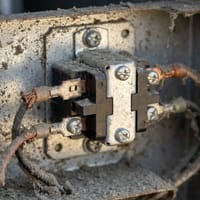
- Unresponsive controls: If the screen is on but the furnace won't start, the wiring behind the wall might be loose. Dust inside the unit can also block the temperature sensors and cause strange behavior.
You can fix many of these minor issues with a quick cleaning or fresh batteries. If the problem keeps happening, you'll need to call a licensed HVAC professional to diagnose the issue.