Home Insurance Inspection Checklist: What to Expect

Got a notice that your insurance company wants a home inspection? Don't panic. Here is exactly what inspectors look for and how to prepare your property.
Full guide Home Insurance Learn exactly what your home insurance covers, what it ignores, and how to decide if a claim is worth filing.Getting a letter from your insurance provider demanding a property review is a fast track to homeowner anxiety. You pay your premiums on time, keep the lawn mowed, and fix things when they break. So why are they suddenly scrutinizing your property? If you just received this notice, your first move should be finding a reliable home insurance inspection checklist to understand exactly what you are facing.
Take a breath. These inspections are a completely routine part of the property insurance industry. The inspector is not looking for a perfectly staged living room or judging your choice of paint colors. They are looking for specific, manageable risk factors that could lead to a massive claim down the road. By understanding exactly what they want to see, you can prepare your property, ace the inspection, and keep your coverage intact without facing unexpected premium hikes.
Why Does My Insurance Company Want a Home Inspection?
Homes age, and materials degrade. A policy written ten years ago was based on the condition of a five-year-old roof and relatively new plumbing. Now, that roof is fifteen years old, and the water heater might be nearing the end of its functional life. The insurance carrier simply needs to verify that the physical asset they are insuring hasn't quietly turned into a liability.
Insurance companies typically order inspections when you buy a new policy, when your home reaches a certain age milestone (often 10 or 20 years), or if you request a significant change in coverage. They use the data from the inspection to confirm that the replacement cost calculated for your home is still accurate, and to ensure no glaring safety hazards have developed since they last checked.
What Happens During a House Insurance Inspection?
The process is straightforward and generally non-invasive. If the carrier requests an exterior-only inspection, you might not even need to be home. The inspector will walk the perimeter of your property, take photographs of the roof, siding, foundation, and yard, and be on their way in 15 to 30 minutes.
If they request an interior inspection, you will need to schedule a time to let them inside. They will walk through the rooms looking for signs of water damage, check the areas under your sinks, and take photos of your major utility systems. The entire process rarely takes more than 45 minutes to an hour.
The Big Four: Critical Systems Inspectors Check
When insurance inspectors evaluate a home, they focus heavily on the "four-point" systems. These are the structural and mechanical components most likely to cause catastrophic, expensive damage if they fail.
1. Roof Age and Condition
Your roof is your home's primary defense against the elements, making it the number one priority for an insurance inspector. They will check the overall age of the roof, looking for cupped, curling, or missing shingles. They also look for heavy moss growth, which traps moisture against the decking, and signs of granular loss on asphalt shingles. If your roof is older than 15 to 20 years, the inspector will pay particularly close attention to its remaining useful life.
2. Plumbing and Water Damage
Water claims are among the most frequent and costly issues insurance companies handle. The inspector will look under your kitchen and bathroom sinks for active drips or old water stains. They will also check the age and condition of your water heater. Most standard tank water heaters have a lifespan of 10 to 12 years. If yours is heavily rusted or past its expected lifespan, the insurance company may require you to replace it to maintain coverage.
3. Electrical Safety
Faulty wiring is a major fire hazard. The inspector will locate your main electrical panel to ensure it is in good condition and up to modern safety standards. They specifically look for outdated technologies like knob-and-tube wiring or aluminum wiring. They also check for specific brands of breaker panels—like Federal Pacific or Zinsco—which are notorious for failing to trip during a surge and are widely considered fire hazards.
4. HVAC Health
Your heating, ventilation, and air conditioning systems will be checked for general upkeep. The inspector wants to see that the furnace is properly vented to prevent carbon monoxide buildup and that there are no obvious fire hazards around the heating unit. For oil heat systems, they will inspect the oil tank for rust, leaks, or unstable legs.
Insurance companies care far more about the age of your roof and the safety of your electrical panel than the scuff marks on your hallway walls.
Liability Hazards You Might Overlook
Beyond the mechanical systems, inspectors are highly trained to spot liability risks. These are features of your property that increase the chances of someone getting injured and filing a medical or legal claim against your policy. Such claims can easily exceed $50,000 if a serious injury occurs.
Last year, my insurance carrier requested an exterior inspection right after I installed a new roof. I walked the property with the inspector, and we noticed a missing handrail on the back deck stairs. It was a minor detail I had completely tuned out, but to the inspector, it was a major trip-and-fall hazard. It ended up being a quick $30 fix at the local hardware store that saved me from a potential policy flag.
Common liability hazards include:
- Attractive nuisances: Trampolines, treehouses, and unfenced swimming pools. If you have a pool, it must have a secure fence with a self-latching gate to meet standard NFPA safety guidelines and insurance requirements.
- Trip hazards: Cracked, heaving concrete on your front walkway, loose porch floorboards, or stairs with three or more steps lacking a sturdy handrail.
- Pets: Inspectors will note if you have dogs, particularly breeds that insurance companies statistically classify as aggressive or high-risk for bite claims.
- Overhanging branches: Large, dead tree branches hanging directly over the roof structure are viewed as a severe storm hazard.
How to Prepare: Your Action Plan
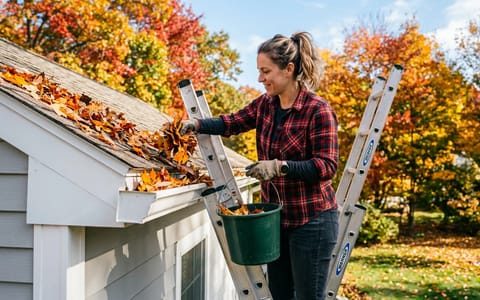
You do not need to remodel your home to pass an insurance inspection, but a Saturday morning spent on preventative maintenance can make a massive difference in the report the inspector files.
- Clear access to utility areas. Move boxes, storage bins, and furniture away from your electrical panel, water heater, and furnace so the inspector can easily photograph them.
- Trim back trees and shrubs. Cut back any branches that are physically touching your siding or roof to show the property is actively maintained.
- Test your safety devices. Ensure every smoke detector and carbon monoxide alarm has fresh batteries and triggers correctly when the test button is pressed.
- Fix minor trip hazards. Nail down loose deck boards, patch significant cracks in the walkway, and tighten the brackets on your stair handrails.
- Gather your maintenance records. If you recently replaced the roof, upgraded the electrical panel, or installed a new water heater, have the contractor invoices ready to prove the exact age of the new systems.
Your Ultimate Home Insurance Inspection Checklist
To keep things organized, use this quick checklist in the days leading up to your scheduled inspection. Walking your property with a critical eye is the best way to catch the exact things the inspector will be looking for.
Passing a home insurance inspection is ultimately about proving you are a responsible owner who takes preventative maintenance seriously. By addressing minor repairs beforehand and presenting a clean, accessible property, you give the inspector exactly what they need to file a positive report. Keep up with your seasonal maintenance, keep records of your major repairs, and you will navigate the inspection process with absolute confidence.
- Check your roof for missing shingles and clear your gutters before the inspector arrives.
- Ensure your electrical panel is accessible and free of outdated, recalled breakers.
- Walk your property to spot liability risks, such as uneven walkways or missing stair handrails.
- Keep records of recent home upgrades, especially a new roof or water heater, to prove your home is well-maintained.