Sewer Smell in Home? How to Find and Fix the Source

Hit by the stench of rotten eggs when you walk through the front door? Here is a step-by-step troubleshooting guide to track down and eliminate sewer gas smells in your home.
Full guide Plumbing Learn how your home plumbing works and how to stop leaks before they ruin your house.You walk through the front door after a long day, and it hits you: the unmistakable, stomach-turning stench of rotten eggs. Your immediate thought is usually panic. A sudden sewer smell in home environments feels like a massive, expensive disaster waiting to happen. Take a breath.
While the gas responsible for that odor is unpleasant, the vast majority of the time, the fix takes about thirty seconds and costs absolutely nothing. We are going to walk through a logical, step-by-step troubleshooting process to track down the source of the sewage smell in your house, starting with the easiest solutions first.
What Causes a Sewer Smell in Your Home?
To fix the smell, you need to know how your plumbing keeps it out in the first place. Your home's drainage system is directly connected to the municipal sewer line or a private septic tank. Both of those holding areas generate sewer gas, which contains hydrogen sulfide and ammonia, detectable by humans at concentrations as low as 0.5 parts per billion. You can learn more about how these gases affect indoor air quality through the EPA.
Your plumbing relies on two simple mechanisms to keep those gases outside: water seals (P-traps) and airflow (vent stacks). When either of these fails, the gas takes the path of least resistance right into your living room, kitchen, or bathroom.
The Easiest Fix: Dried-Out P-Traps
Look under any sink in your house, and you will see a U-shaped pipe. That is the P-trap. Its entire job is to hold a small plug of water at the bottom of the curve. This water acts as a physical barrier, blocking sewer gas from rising out of the drain and into the room.
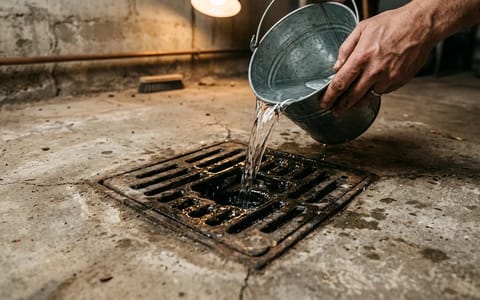
If a guest bathroom sink, a basement floor drain, or a laundry utility tub goes unused for a few weeks, that water simply evaporates. Once the trap goes dry, the barrier is gone, and the house fills with a sewage odor.
- Locate rarely used drains. Check guest bathrooms, basement floor grates, and utility sinks.
- Run the water. Turn on both hot and cold taps for about 30 seconds to flush out stagnant water and refill the trap.
- Pour water into floor drains. Dump a half-gallon bucket of tap water directly into any basement or garage floor grates.
- Add mineral oil for longevity. Pour two tablespoons of standard mineral oil into floor drains to create a floating seal that slows future evaporation.
Wobbly Toilets and Failed Wax Rings
If the smell is isolated to a specific bathroom and the sink traps are full, the next suspect is the toilet. Toilets do not use standard P-traps in the floor; they have a built-in trap inside the porcelain bowl. However, the connection between the base of the toilet and the drain pipe in the floor is sealed by a thick ring of sticky wax.
If that wax ring degrades, or if the toilet becomes loose and rocks when you sit on it, the wax seal breaks. This gap allows sewer gas to seep out from under the base of the toilet.
A few years ago, we noticed a persistent sewage smell in our downstairs powder room. I tested the sink trap, but the smell remained. When I straddled the toilet bowl and gently shifted my weight, the porcelain gave a slight rock—maybe a quarter of an inch of movement. The wax ring had compressed over time. Pulling the toilet and pressing on a new $12 standard wax ring from the hardware store solved the issue in under an hour.
Washing Machine Drain Traps and Standpipes
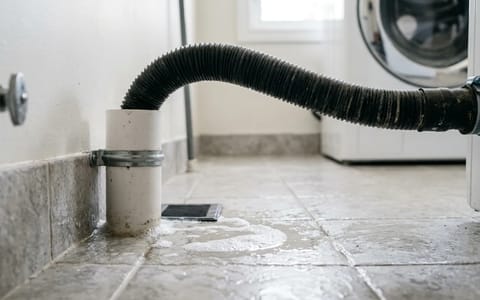
Your washing machine discharges water into a vertical PVC pipe called a standpipe, which also has a P-trap hidden in the wall behind it. Because washing machines pump out lint, dirt, and soap scum, this trap can get notoriously filthy.
Sometimes, bacteria feed on the organic matter caught in the lint, producing a smell identical to sewer gas. Alternatively, a partial clog further down the line can cause the rushing water from the washing machine to siphon the water right out of its own P-trap, leaving it dry.
To clean a smelly standpipe, pour a half-cup of baking soda followed by a cup of white vinegar down the pipe. Let it fizz for 20 minutes, then flush it with a gallon of very hot water to clear out the bacteria and lint buildup.
Clogged Roof Vent Stacks
Every drain in your house connects to a vent pipe that goes up and out through your roof. These vents allow air into the pipes, equalizing pressure so water flows smoothly. Think of holding your finger over the top of a drinking straw—the liquid stays trapped until you let air in.
If a bird builds a nest in your roof vent, or if it gets clogged with autumn leaves or heavy snow, the system cannot pull in outside air. When you flush a toilet or drain a bathtub, the rushing water creates a vacuum in the pipes. That vacuum will literally suck the water out of nearby P-traps, leaving them dry and allowing gas to enter.
If your drains are gurgling loudly when you empty the sink, or if multiple traps keep going dry despite regular use, a blocked vent is likely the culprit. Clearing it usually requires climbing onto the roof and shining a flashlight down the 2-inch or 3-inch PVC pipe to spot the blockage.
A Quick Note on Septic Odors Inside the House
For rural homeowners, a sewage gas smell in the house can sometimes point directly to the septic system. If your septic tank is overdue for a pump-out, or if the drain field is saturated and failing, the gases have nowhere to go but back up the main sewer line toward the house.
If you notice the smell is strongest outside near the tank lid, or if your lower-level drains are moving sluggishly alongside the odor, check your records. If it has been more than three to five years since your last septic service, it is time to schedule a pump.
When to Call a Plumber for Smoke Testing
If you have filled all the traps, checked the toilets for wobble, and verified your vents are clear, but the rotten egg smell persists, it is time to stop DIYing. You likely have a cracked PVC drain pipe or a broken vent line hidden behind your drywall.
Plumbers use a specialized diagnostic process called smoke testing to find these invisible leaks. They pump non-toxic, artificially colored smoke into your plumbing system from the outside. By walking through the house and watching where the smoke billows out from behind walls or under cabinets, they can pinpoint the exact location of the broken pipe without tearing up your entire house.
Smoke testing is the fastest, most definitive way to find a hidden sewer gas leak without tearing out your drywall guessing.
Tracking down a sewer smell requires patience, but working systematically from the simplest fix (running water in a dry trap) to the most complex (hidden pipe cracks) will save you time and money. Keep those P-traps full, check your toilet seals, and you will likely banish the stench before you ever have to pick up the phone to call a plumber.
- Run water in unused guest bathroom sinks and basement floor drains for 30 seconds to refill dry P-traps.
- Pour a tablespoon of mineral oil into basement floor drains to slow down water evaporation in the trap.
- Gently press your leg against your toilet bowl; if it rocks even slightly, the wax ring seal is likely broken and needs replacing.
- Call a professional for smoke testing if the smell persists after all traps are full and vents are clear.