How to Baby Proof a Rental Apartment (Zero Damage)
Learn how to effectively baby proof a rental apartment without drilling holes, damaging walls, or risking your security deposit.
Renting a home with a newly crawling infant feels like a ticking clock. Suddenly, every low cabinet, electrical cord, and sharp coffee table edge looks like an immediate hazard. You want to keep your child completely safe, but you also want your security deposit back at the end of the lease. Many traditional child-safety products require drilling screws into drywall, baseboards, and solid wood cabinetry—actions that directly violate most standard lease agreements.
Figuring out how to baby proof rental apartment spaces requires a shift in strategy. Instead of permanent hardware, you need to rely on high-quality adhesives, tension-based barriers, and clever hardware swaps. This approach keeps your baby secure without leaving a trace of damage behind when the moving truck arrives.
Renter Baby-Proofing: Securing Cabinets and Drawers Without Drilling
The kitchen and bathroom are usually the most dangerous rooms for a toddler, filled with cleaning supplies, heavy pots, and sharp utensils. Standard plastic safety latches require you to drill two to four screws into the inside of every cabinet door and frame. In a rental kitchen with twenty doors, that is eighty holes you will have to fill and paint before moving out.
Magnetic adhesive locks are the perfect alternative. These lock mechanisms attach to the inside of your cabinets using heavy-duty double-sided tape (usually 3M VHB). From the outside, the cabinets look completely untouched. To open a drawer or door, you simply hold a magnetic key against the outside of the wood, which disengages the internal latch.
- Wipe the inside of the cabinet. Clean the mounting area with rubbing alcohol to remove grease and let it dry completely.
- Peel and stick the catch. Press the latch mechanism firmly against the inside frame for 30 seconds.
- Install the locking arm. Align the arm on the door so it catches perfectly when closed.
- Let the adhesive cure. Leave the locks disengaged for 24 hours before letting them take any force.
A pack of ten magnetic locks typically costs between $15 and $25. Because they are hidden inside, your landlord will never even know they are there during a routine maintenance visit.
Don't forget about appliances! The oven door, refrigerator, and even the dishwasher can be tempting for curious toddlers. Adhesive-backed appliance locks are a simple solution. These typically use strong 3M tape to secure the appliance door, preventing it from opening more than an inch or two. Just remember to clean the surface thoroughly before application for maximum adhesion.
Baby Gates for Rental Apartments: Tension Over Hardware
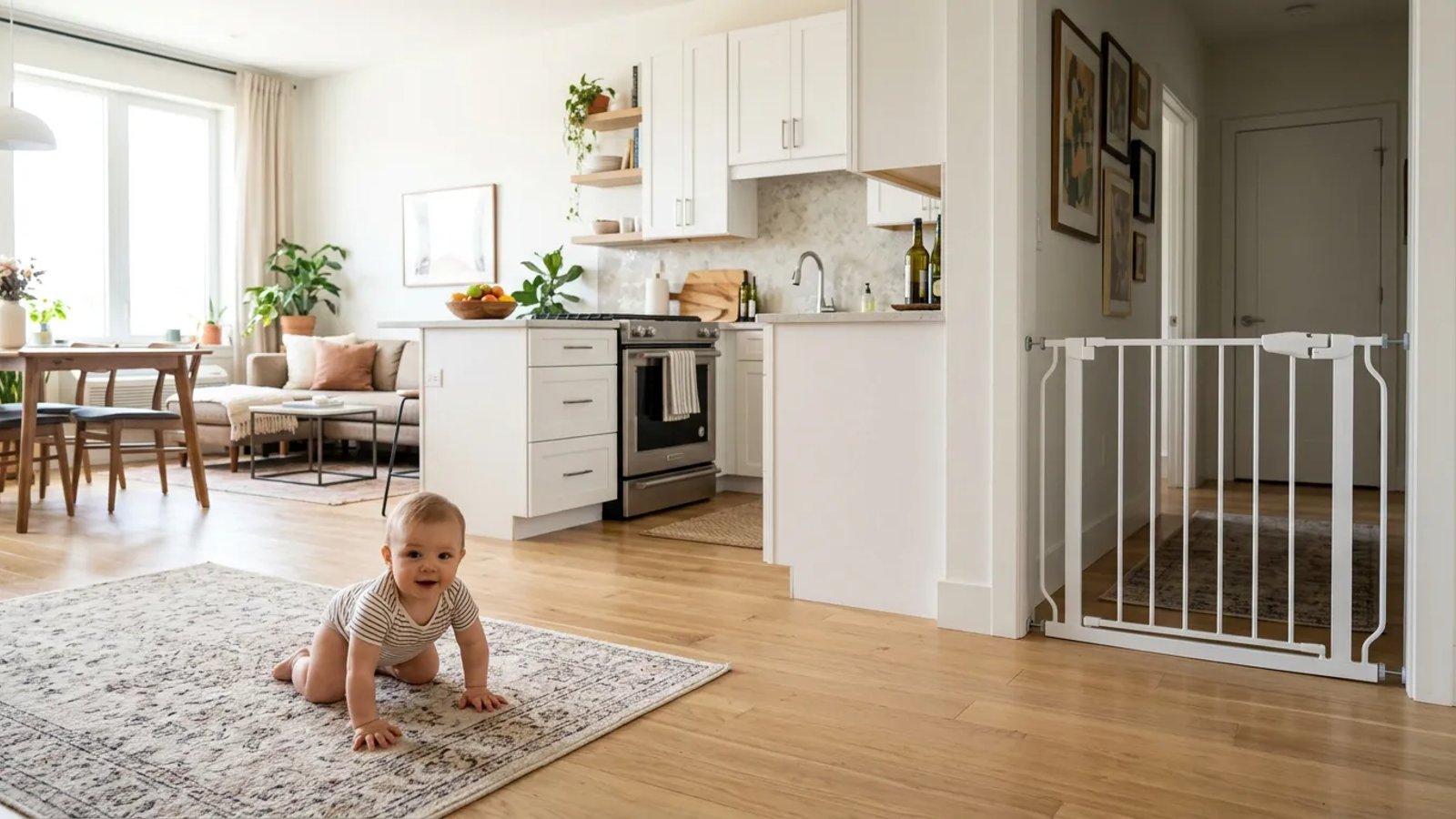
Keeping your baby out of the kitchen or away from the front door usually requires a baby gate. Hardware-mounted gates require drilling thick lag bolts into your walls or doorframes. For a renter, pressure-mounted gates are the obvious choice. These gates use tension rods that press outward against the walls to stay upright, typically fitting openings up to 48 inches wide.
However, the rubber bumpers on pressure gates can sometimes scuff cheap apartment paint or dent soft drywall if tightened too much. To prevent this, spend an extra $10 on a set of silicone wall protector cups. These wide pads distribute the pressure of the gate over a larger surface area, protecting the wall while actually increasing the grip of the gate.
How to Tame Electrical Hazards and Loose Cords?
Electrical outlets sit right at baby eye level. The old-school method of jamming individual plastic plugs into unused sockets is cheap, but those little plastic pieces are notorious choking hazards if an adult forgets to put one back after vacuuming.
Instead, swap the standard outlet faceplates for sliding outlet covers. This requires removing just one flathead screw in the center of the plate. The new plate has a spring-loaded cover that snaps shut over the holes when you pull a plug out. It takes about two minutes per outlet.
The golden rule of renter baby-proofing: Whatever you unscrew, put in a labeled ziplock bag and store it in the back of a closet.
For long lamp cords or TV cables dangling from media consoles, use adhesive cord bundlers. Command makes small plastic hooks with a bungee loop that stick to the back of furniture or the wall, keeping tempting cords tightly coiled and out of reach of tiny hands.
Softening Sharp Edges and Heavy Doors
Rental apartments often feature tight floor plans, meaning your baby will be navigating around coffee tables, TV stands, and low windowsills constantly. High-density foam corner guards are essential here. They come in long rolls with double-sided tape applied to the back. You can cut them to length with normal scissors and wrap them around the sharp edges of your own furniture or built-in apartment features.
Door pinch guards are another cheap, damage-free lifesaver. These are simply thick, C-shaped pieces of foam that slide over the top or side edge of an interior door. They prevent the door from slamming completely shut, protecting little fingers from getting crushed in the jamb if a sudden draft blows through the apartment.
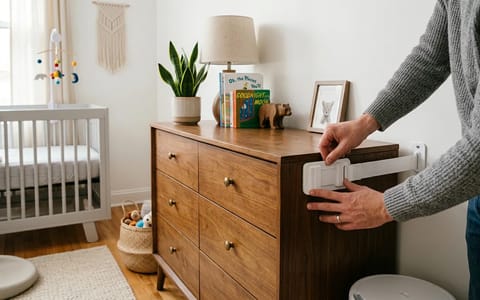
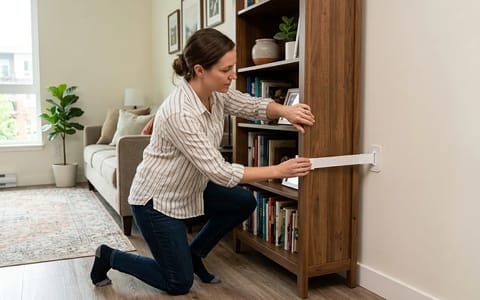
While foam guards handle the corners, preventing furniture tip-overs is crucial. Dressers, bookshelves, and TV stands can be incredibly unstable. For renters, adhesive furniture straps offer a damage-free anchoring solution. These heavy-duty straps attach to the back of the furniture and the wall using powerful adhesive pads, keeping heavy items from toppling without needing to drill into studs. Always ensure the adhesive is applied to a clean, dry surface for optimal hold.
Baby Proofing Windows: A Renter's Guide
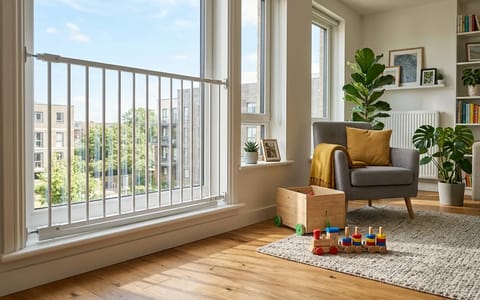
Windows present a unique set of hazards, from falls to strangulation risks from cords. For renters, the focus is on temporary, non-damaging solutions. First, if your windows have blinds with dangling cords, consider investing in cordless blinds or cord shorteners. These can be easily swapped out and the originals stored for move-out, or the shorteners simply remove the hazard without altering the blinds themselves.
To prevent falls, window stops are an excellent, damage-free option. These small devices attach to the window frame with strong adhesive and limit how far the window can open, typically to just a few inches. This allows for ventilation while preventing a child from pushing the window open wide enough to fall through. For an extra layer of security, especially on lower windows, consider a window guard that mounts with tension or strong adhesive, ensuring it can withstand a child's weight.
The Move-Out: Removing Adhesives Safely
The true test of a renter-friendly setup happens on move-out day. When we moved out of our last second-floor rental, I tested several methods to get stubborn 3M tape off the kitchen cabinets and baseboards. If you just grab the plastic lock and yank, you will likely take a chunk of the landlord's veneer or paint right off with it.
The secret is heat and friction, not brute force.
- Apply heat. Aim a hairdryer on medium heat directly at the adhesive lock or foam guard for 30 to 60 seconds.
- Slice the glue. Take an 18-inch piece of standard dental floss, wrap it around your index fingers, and slide it behind the plastic base, sawing back and forth to cut through the warm foam tape.
- Roll the residue. Once the plastic part is off, use your thumb to firmly roll the remaining sticky residue off the wood or wall.
- Clean the surface. Wipe away any lingering stickiness with a gentle citrus cleaner or a drop of dish soap on a damp rag.
Keeping your baby safe doesn't have to mean sacrificing your deposit. By choosing tension over screws, using heat to handle adhesives, and neatly storing the original apartment hardware, you can create a completely secure environment for your child while keeping your landlord entirely happy.
- True renter-friendly baby proofing relies on high-quality adhesives and tension, not screws.
- Never use pressure-mounted gates at the top of a staircase, regardless of your lease rules.
- Store all original apartment hardware (like outlet covers and cabinet knobs) in a labeled bag so you can easily swap them back before moving out.
- Heat is the secret to removing strong adhesives without peeling cheap apartment paint.