How to Clean an Oven (And Is the Self-Clean Cycle Safe?)
Wondering if your oven's self-clean cycle is safe to use? Learn how to properly prep your kitchen, avoid toxic fumes, and safely remove baked-on grease.
Full guide Appliances Learn how long your home appliances will last and when to repair or replace them.With holiday cooking rapidly approaching, many of us are staring at a season's worth of baked-on grease and typing 'how to clean oven' into Google. You might be hesitant to press that self-clean button, wondering if the extreme heat is actually safe for your home, your family, or your appliance. In my experience, a dirty oven is entirely manageable, provided you follow a few strict safety protocols.
Whether you choose to utilize the built-in high-heat cycle or prefer a manual, low-fume approach, tackling that burnt-on mess protects the flavor of your food and prevents your kitchen from filling with smoke every time you bake. Here is exactly how to prep your appliance, protect your indoor air quality, and get your oven sparkling safely.
Is the Self-Cleaning Cycle Actually Safe?
Most modern ranges feature a pyrolytic self-cleaning cycle. This system works by locking the oven door and raising the internal temperature to somewhere between 900°F and 1,000°F (482°C to 538°C). At these extreme temperatures, food spills, grease, and carbon deposits literally incinerate, reducing to a fine white ash that you simply wipe away once the appliance cools.
This high-heat feature is safe, but only when the oven is prepared correctly. The primary danger comes not from the heat itself—ovens are heavily insulated to handle it—but from what is left inside the cavity before you press start. Heavy grease puddles can ignite, creating dense smoke or even a contained fire. The incineration process also produces carbon monoxide and other volatile organic compounds (VOCs). According to the EPA's guidelines on indoor air quality, proper ventilation is critical whenever you are burning off organic material indoors.
The Golden Rule for Cleaning Ovens: Never Mix Chemicals and Self-Clean
In my experience inspecting and repairing kitchen appliances, applying heavy-duty chemical degreasers inside a self-cleaning oven cavity is the number one cause of permanent enamel damage. We once had to evaluate a nearly new range because the homeowner complained of toxic smells every time they baked. It turned out they had sprayed a commercial oven cleaner inside, which etched the pyrolytic coating and baked the chemical residue permanently into the liner.
Never apply chemical oven cleaners inside an oven equipped with a pyrolytic self-cleaning feature unless the manual explicitly permits it.
The interior of a self-cleaning oven is coated with a special heat-resistant enamel designed to release ash at high temperatures. Harsh chemicals, like lye-based cleaners, eat away this finish. If you use a spray cleaner, you forfeit the ability to ever use the self-clean button safely again.
How to Use the Self-Clean Oven Cycle Safely
If you have decided to use the self-clean feature, preparation is the difference between a simple chore and a smoke-filled kitchen. Follow these steps exactly to ensure a safe process.
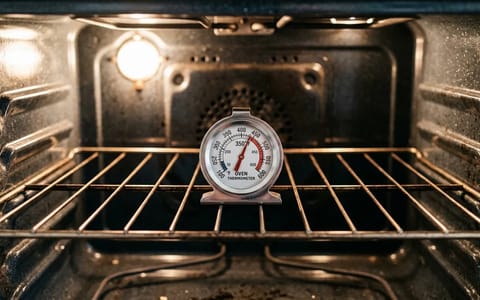
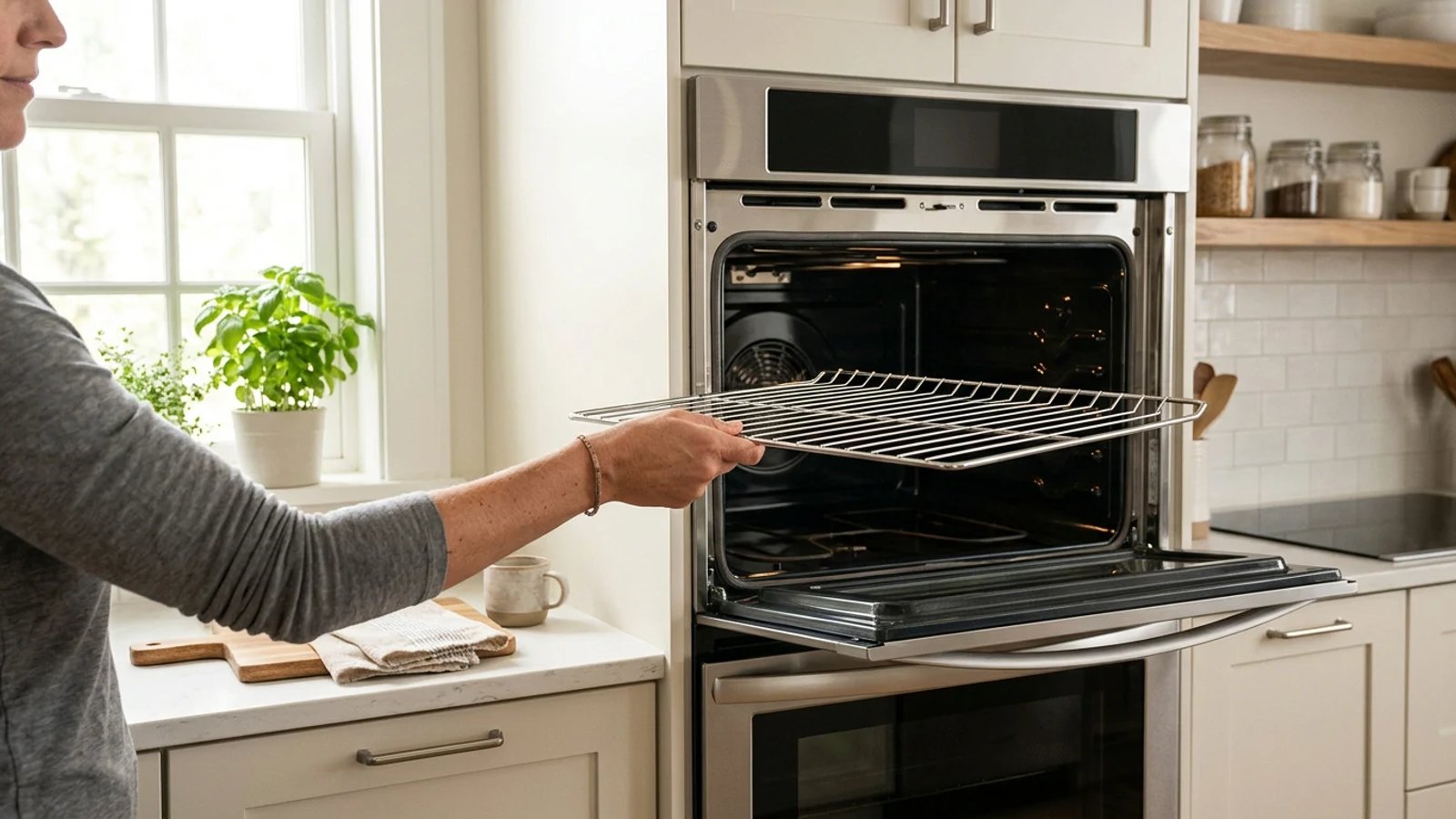
- Empty the oven completely. Remove all racks, foil liners, baking stones, and temperature probes. Leaving chrome racks inside will permanently strip their finish and cause them to bind against the oven walls.
- Wipe out loose debris. Use a damp paper towel or plastic scraper to remove loose crumbs and thick puddles of grease from the floor of the oven. This drastically reduces the amount of smoke produced.
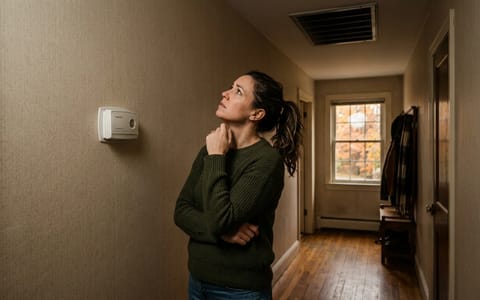
- Ventilate the space heavily. Turn your range hood fan to its highest setting and open nearby windows. You want a cross-breeze to pull the inevitable odors out of your home.
- Select the appropriate cycle time. Most ovens offer a 2-hour cycle for light soil and a 3-to-4-hour cycle for heavy soil. If you clean your oven annually, the longer cycle is usually necessary.
- Stay in the house. Never start a self-clean cycle and leave to run errands. You need to be present to monitor the appliance in case of a malfunction.
- Wipe away the ash. Once the cycle finishes and the door automatically unlocks (which takes 1-2 hours after the timer ends), use a damp microfiber cloth to wipe the white ash off the bottom and sides.
What to Do If You See Smoke During the Cycle?
A small amount of white or light gray smoke is completely normal during the first hour of the self-clean cycle. This is simply the carbon deposits burning off. However, if you see thick, billowing black smoke, or if you spot actual flames inside the oven cavity, you have a grease fire.
Do not panic, and absolutely do not open the oven door. Opening the door introduces a rush of oxygen that will feed the fire. Instead, immediately press the 'Cancel' or 'Off' button on your control panel. Leave the door closed and locked. The lack of oxygen will naturally smother the flames within a few minutes. Allow the oven to completely cool down before attempting to open it and manually clean up the remaining grease.
How to Clean an Oven Manually (The Safe Alternative)
Many homeowners prefer not to use the high-heat cycle at all, either due to the smell, concerns about energy usage, or a desire to protect the oven's electronic control board from extreme temperature stress. If you want to know how to clean oven grease without the self-clean button, the baking soda method is highly effective, completely non-toxic, and safe for all oven types.
- Mix your cleaning paste. In a small bowl, combine 1/2 cup of baking soda with 3 tablespoons of water. Stir until it forms a spreadable paste, roughly the consistency of pancake batter.
- Coat the oven interior. Wearing rubber gloves, spread the paste over the dirty areas of the oven, avoiding the heating elements. The paste will turn brown as it immediately begins absorbing the grease.
- Let it sit overnight. Allow the mixture to rest for at least 12 hours. This dwell time is critical for the alkaline baking soda to break down the acidic carbon bonds.
- Wipe out the paste. The next morning, take a damp sponge or microfiber cloth and wipe away the dried paste. Most of the baked-on grime will lift right off with it.
- Spray with white vinegar. Put standard white vinegar in a spray bottle and spritz any remaining baking soda residue. It will foam up gently.
- Do a final wipe-down. Use a clean, damp cloth to wipe the interior until it shines and all gritty residue is gone.
Maintaining a clean oven doesn't have to be an intimidating chore. By wiping up major spills as soon as the oven cools and doing a deep clean once or twice a year, you ensure your appliance heats evenly and your home stays free of acrid smoke. Whether you let the pyrolytic cycle do the heavy lifting or rely on the trusted baking soda method, a little preparation goes a long way toward a safer, fresher kitchen.
- Always remove the metal racks before starting a self-clean cycle to prevent them from warping and losing their shiny finish.
- Wipe out loose crumbs and large grease puddles manually first to prevent excessive smoke and lower the risk of a grease fire.
- Open your kitchen windows and run the exhaust fan on high before hitting the self-clean button to protect your indoor air quality.
- If you see billowing black smoke or flames, cancel the cycle immediately and do not open the oven door until it completely cools.
- When cleaning manually, use a 12-hour baking soda paste followed by a vinegar spray to safely break down tough carbon deposits.