How to Fix a Squeaky Door (And Stop the Noise for Good)
Stop waking up the whole house. Learn how to fix a squeaky door permanently using the right lubricants and a simple five-minute technique.
Full guide Windows & Doors Learn how to spot energy leaks, fix drafts, and decide when to replace your windows and doors.Few things are as jarring as a high-pitched squeak when you open a bathroom or bedroom door late at night. That sharp metal-on-metal sound carries through the whole house, waking up kids and annoying everyone. If you want to know how to fix a squeaky door permanently, you don't need to replace the hardware. The solution takes less than five minutes and requires basic tools you likely already have in a kitchen drawer or garage.
Why Is My Door Squeaking in the First Place?
Door hinges carry a surprising amount of weight. A standard interior door, for instance, can weigh anywhere from 50 to 100 pounds. Every time you swing a solid wood or hollow-core door, the metal hinge barrels grind against the steel hinge pin holding them together. When hinges are manufactured, they are packed with factory grease to keep this movement smooth and silent.
Over years of use, that grease dries up, degrades, and mixes with microscopic metal shavings to form a thick, black grime. Once the lubrication is gone, you are left with raw metal scraping on raw metal. That friction is exactly what produces the high-pitched squeal.
Beyond simple wear and tear, environmental factors also play a significant role in hinge degradation. High humidity can accelerate rust formation, especially in bathrooms or coastal regions, which then grinds away at the metal. Conversely, extremely dry climates can cause existing lubricants to dry out even faster, leaving the hinges brittle and exposed. Regular maintenance, therefore, becomes even more crucial in these varying conditions to prevent premature squeaking.
Why Standard WD-40 is a Temporary Trap
When faced with a noisy hinge, most people immediately grab the familiar blue-and-yellow can of standard WD-40. I tested standard penetrating oil against white lithium grease on my own hallway door last year. The penetrating oil stopped the noise immediately, but the squeak returned just three weeks later.
Standard WD-40 is primarily a water displacer and solvent, not a heavy-duty lubricant. It evaporates quickly and leaves behind a slight residue that acts as a magnet for dust and pet hair. To stop a door from squeaking for good, you need a lubricant designed to handle sustained metal-on-metal friction.
The secret to a permanently quiet door isn't just adding oil—it's using a lubricant thick enough to stay inside the hinge barrel for years.
Instead of penetrating oil, pick one of these lasting alternatives:
- White lithium grease: The gold standard for metal-to-metal contact. You can buy a specialist lithium grease spray for about $8 at any hardware store. It goes on wet and sets up as a thick, protective barrier.
- Silicone spray: A great runner-up that dries clear and won't attract dust. It's especially useful if you are worried about grease dripping onto light-colored carpets.
- Bar soap or paraffin wax: If you need a fix right now, grab a plain bar of white soap or a wax candle. The fats and waxes provide excellent dry lubrication.
White lithium grease, for example, is renowned for its excellent water resistance and ability to withstand extreme temperatures, making it ideal for both interior and exterior doors. Its thick consistency ensures it adheres well to metal surfaces, providing long-lasting protection against friction and corrosion. When applying, a controlled spray nozzle helps direct the grease precisely into the hinge barrel without overspray.
Silicone spray is another fantastic option, particularly if you're working with doors in areas where cleanliness is paramount, like a pantry or closet with delicate items. Because it dries clear and doesn't attract dust or grime, it keeps your hinges looking cleaner and prevents the accumulation of unsightly black residue. It’s also safe for use on many plastics and rubbers, offering versatility beyond just metal hinges.
Essential Tools for a Squeak-Free Door
Before you dive into lubricating your hinges, gathering a few basic tools will make the job quicker and cleaner. You likely have most of these items lying around your home, proving that fixing a squeaky door doesn't require a trip to a specialty hardware store or expensive equipment. Being prepared also helps prevent accidental drips or damage to your flooring.
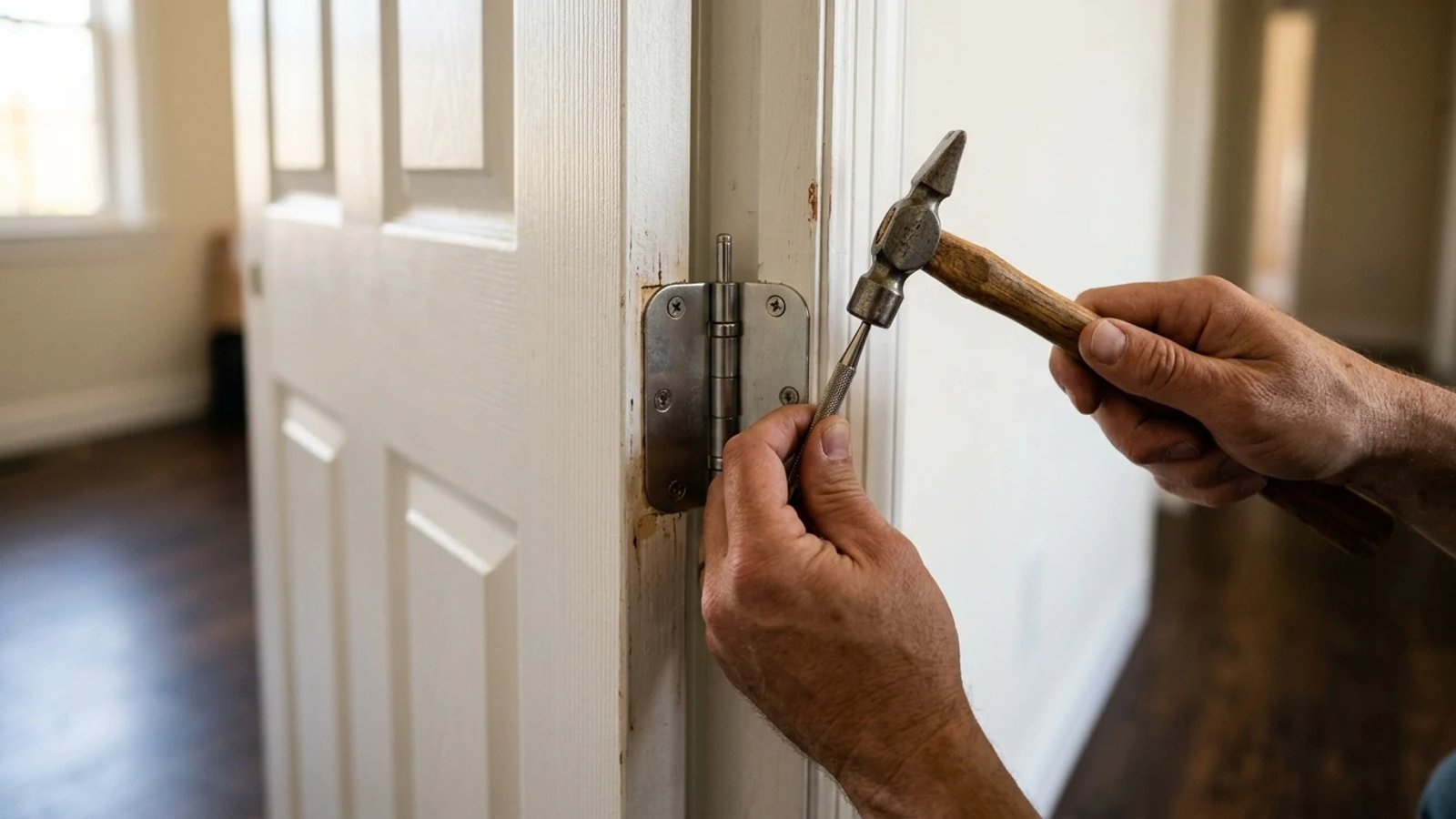
- Hammer: A small claw hammer or even a rubber mallet will work perfectly. Its primary use is to gently tap the hinge pin loose and then seat it back firmly when you're done. Avoid overly heavy hammers that could damage the hinge or door frame.
- Nail or Punch: You'll need something thin and sturdy to push the hinge pin up from the bottom. A standard finishing nail, a center punch, or even a thin flathead screwdriver (ensure it fits the hinge pin hole) are excellent choices. The goal is to apply upward force without stripping the metal.
- Pliers (optional): Sometimes, hinge pins can be stubborn, especially if they haven't been removed in years. A pair of needle-nose or standard pliers can provide the extra grip needed to pull the pin out once it's been partially lifted by the hammer and punch.
- Old Rag or Paper Towels: These are absolutely essential for wiping away old grime from the hinge pin and catching any excess lubricant during application. Keeping a stack handy will save your floors and baseboards from greasy stains.
- Safety Glasses (recommended): While not strictly mandatory for this simple task, wearing safety glasses is always a good practice when working with tools, especially when tapping metal components. A stray piece of rust or grease could cause irritation.
- Your Chosen Lubricant: Whether it's white lithium grease, silicone spray, or a bar of soap, have it ready and within reach. Make sure aerosol cans are shaken well according to their instructions.
Having these items laid out beforehand ensures a smooth and efficient process, allowing you to tackle that annoying squeak with confidence and minimal fuss. It's a small investment in time that pays off with lasting silence.
How to Fix a Squeaky Door: The 5-Minute Method
You don't need to take the door off its hinges to silence it. Working on one hinge at a time keeps the door perfectly aligned in the frame.
- Tap the hinge pin loose. Place a nail, a center punch, or a thin flathead screwdriver at the bottom hole of the hinge. Tap it gently upward with a hammer until the top of the pin pops up.
- Pull the pin halfway out. Grab the head of the pin with your fingers or pliers and pull it up so it's exposed, but leave the bottom inch resting in the hinge so the door stays attached.
- Clean the pin and hinge. Take an old rag or paper towel and wipe the dark, metallic grime off the pin. If the pin is rusty, a quick scuff with 120-grit sandpaper will smooth it out.
- Apply your lubricant. Spray a quick burst of white lithium grease onto the pin, or aggressively rub your bar of soap up and down the metal shaft.
- Reinstall the pin. Push the pin back down into the hinge barrel. Tap the top of the pin with your hammer until it sits completely flush.
- Work the lubricant in. Swing the door back and forth five or six times. This distributes the grease down into the hidden friction points. Wipe away any excess that squeezes out.
What If the Door Still Squeaks?
If you have thoroughly cleaned and lubricated all two or three hinges and you still hear a noise when the door swings, the problem isn't the hinge pin. You are likely dealing with a secondary friction point.
Grab a manual Phillips head screwdriver and check every single screw on the hinge plates—both the ones attached to the door and the ones attached to the frame. Over time, the weight of the door pulls these screws loose. As the door opens, the loose metal plates shift and grind against the screw threads, creating a clicking or groaning sound. Tightening them down firmly usually solves the issue.
Beyond the door's edges and hinge screws, sometimes the door frame itself can be the culprit. If the frame has shifted slightly due to house settling or moisture changes, it can create subtle pressure points against the door, leading to rubbing or catching. Visually inspect the gaps around the door: Are they even all the way around? An uneven gap might indicate a slightly warped door or a shifted frame, which could require shimming the hinges or adjusting the strike plate for a smoother operation.
Finally, check the edges of the door. Changes in seasonal humidity can cause wooden doors to swell and rub against the top or side of the door jamb. If you see scuffed paint on the door edge, you may need to sand that specific spot down slightly to give the door room to clear the frame.
Preventative Maintenance for Long-Lasting Quiet
Once you've silenced your squeaky door, you'll want to keep it that way! Proactive maintenance is key to preventing those irritating noises from returning. Aim to lubricate your door hinges every 1-2 years, especially for high-traffic doors or those in humid environments. A quick application of white lithium grease or silicone spray during your routine home checks can save you the hassle of a full hinge cleaning later on.
Additionally, regularly check your hinge screws for tightness. The constant swinging of a door can gradually loosen these fasteners over time. A simple turn with a screwdriver once every six months can prevent the door from sagging and putting undue stress on the hinges and frame. Keeping the areas around your doors clean and free of excessive dust also helps, as accumulated grime can contribute to lubrication breakdown.
Taking a few minutes to properly clean and grease your hinges will save your sanity and stop the noise for years. Keep a stick of wax or a can of lithium grease in your toolkit, and you'll be ready the next time a hinge starts acting up.
- Ditch the standard penetrating oil and use white lithium grease or a bar of soap for lasting results.
- Always clean the black grime off the hinge pin before applying new lubricant.
- Tightening loose hinge screws can eliminate secondary squeaks and stop the door from sagging.