Your Complete Winterizing a Home Checklist for Fall

Don't wait for the first hard freeze. Use this comprehensive early-fall checklist to winterize your home, prevent burst pipes, and lower your heating bills.
September is here, and those crisp mornings are a warning shot. For many homeowners, the first freezing night triggers a chaotic scramble to the hardware store for pipe insulation and space heaters. Waiting until the frost hits means working with freezing fingers, risking burst pipes, and paying premium rates for emergency HVAC repairs.
A solid winterizing a home checklist takes the panic out of late fall and saves you serious money on heating bills. By tackling these preventative maintenance tasks now, you protect your biggest investment and ensure your home stays warm, dry, and efficient all season long.
Why Start Your Winterizing a Home Checklist in Early Fall?
It is significantly easier to clean gutters, inspect roof shingles, and caulk windows when it is 65 degrees outside. In my experience, exterior caulk actually requires temperatures above 45°F to cure properly, meaning if you wait until November, your weatherproofing efforts might fail entirely.
Beyond comfort, timing is about supply and demand. Hardware stores sell out of foam spigot covers hours before a freeze warning. HVAC technicians get booked weeks out once the first snow flies. Getting ahead of the curve puts you in control.
Let's break this weekend project down into four manageable zones: Exterior, Plumbing, Heating, and Drafts.
Exterior Defense: Gutters, Roof, and Yard
Your home's exterior is the first line of defense against ice, snow, and freezing rain. Water is your biggest enemy here; if it cannot drain away from your house, it will find a way inside. Aim to clear your gutters at least twice a year, especially before winter, to prevent blockages and costly water damage.
- Clear out the gutters. Remove leaves, twigs, and sediment using a garden trowel so melting snow can flow freely.
- Flush the downspouts. Run a garden hose down the spouts to ensure there are no hidden clogs that could cause dangerous ice dams later.
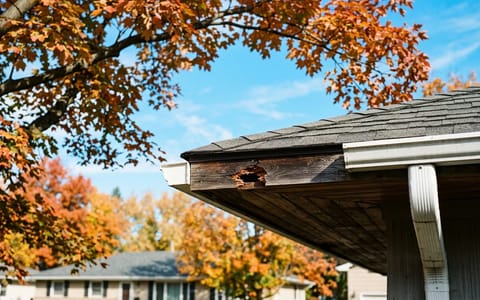
- Inspect roof shingles. Look for cracked, curling, or missing shingles and replace them before heavy snow load exacerbates the damage.
- Winterize gas-powered yard tools. Either run your lawnmower until the gas tank is completely empty, or fill it up and add a fuel stabilizer to prevent the carburetor from gumming up.
- Store patio furniture. Wash down outdoor chairs and tables, let them dry completely, and move them to a shed or cover them with heavy-duty waterproof tarps.
Don't forget your green friends! For tender perennials and young trees, consider adding a layer of mulch around their bases to insulate the roots from harsh freezes. Wrap delicate shrubs with burlap to protect them from windburn and heavy snow. While you're outside, take a moment to walk around your home's foundation. Look for any new cracks or gaps where critters might try to seek shelter from the cold, and seal them with appropriate caulk or mortar repair.
Plumbing Protection: Defeating the Deep Freeze
Frozen pipes are a homeowner's worst nightmare. Water expands as it freezes, exerting thousands of pounds of pressure on copper and PEX piping until it violently ruptures.
A few years ago, I left a garden hose connected to the back spigot until mid-November. The water inside froze, backed up into the wall, and cracked the copper pipe. We caught it early when a damp spot appeared on the drywall, but it was a $400 plumber bill and a patching job I could have easily avoided with two minutes of effort.
- Disconnect all garden hoses. Unscrew them from the spigots, drain the water out by walking the length of the hose, and coil them in the garage.
- Drain the exterior pipes. If your home has interior shut-off valves for the outside faucets, turn them off and open the outside spigot to let any remaining water drip out.
- Cover the spigots. Purchase hard foam spigot covers ($3 to $5 at any hardware store) and hook them tightly over every exterior faucet.
- Insulate exposed pipes. Wrap any water lines running through unheated spaces—like basements, crawlspaces, or attics—with foam pipe insulation sleeves.
Your hot water heater also needs a little love before winter. Sediment can build up at the bottom of the tank, reducing efficiency. Periodically draining a few gallons from the bottom valve can extend its lifespan and improve performance. Crucially, make sure every member of your household knows where the main water shut-off valve is located. In the event of a burst pipe, knowing how to quickly turn off the water can save you from catastrophic flooding and thousands in damage.
The best time to prepare for a blizzard is on a sunny Saturday in September.
Heating Systems: Prepping the Furnace and Fireplace
You want to find out your furnace is broken in September, not on Thanksgiving morning when the house is 40 degrees. Testing your heating system early gives you a massive advantage.
Start by turning your thermostat from "Cool" to "Heat" and bumping the temperature up a few degrees higher than the current room temperature. Listen to the system kick on. It is entirely normal to smell a faint burning dust odor for the first five to ten minutes—that is just the dust burning off the heat exchanger. Let it run for a full cycle to ensure warm air is blowing from all vents.
Next, swap out your air filter. A dirty filter restricts airflow, forcing the blower motor to work harder, which drives up your electricity bill and shortens the lifespan of the unit. The Energy Star program recommends checking your filter every month, especially during heavy use months. For most homes, a pleated MERV 8 filter provides the best balance of dust capture and airflow.
With your furnace running more frequently, it's a good time to check your carbon monoxide detectors. Test them monthly and replace batteries annually. If they are older than 5-7 years, consider replacing the entire unit. Also, take a quick stroll through your home and ensure no furniture, drapes, or rugs are blocking any heating vents. Unobstructed vents allow warm air to circulate freely, making your heating system more efficient and your home more comfortable.
If you have a wood-burning fireplace, grab a flashlight and look up the flue. Check for excessive creosote buildup (a flaky, black, tar-like substance) or animal nests. If you haven't had the chimney swept in a few years, book a certified chimney sweep now to prevent dangerous chimney fires.
Sealing Drafts: Windows, Doors, and Insulation
Heating a house with drafty windows is like trying to fill a bucket with a hole in the bottom. Cold air sneaking in around door frames and window sashes forces your heating system to run constantly.
To find drafts, wait for a windy day and slowly move a lit candle or a stick of incense around the edges of your windows and doors. If the smoke wavers horizontally, you have an air leak.
- Apply fresh weatherstripping. Peel off old, compressed foam tape around door frames and replace it with fresh V-seal or rubber bulb weatherstripping.
- Adjust door sweeps. Check the bottom of your exterior doors; if you can see daylight, lower the adjustable threshold or install a new rubber door sweep.
- Caulk exterior window trim. Use a caulk gun to apply a bead of 100% silicone caulk to gaps where the window frame meets the siding.
- Reverse your ceiling fans. Flip the small directional switch on the motor housing so the blades spin clockwise on a low speed, which gently pushes trapped warm air down from the ceiling.
Finally, don't overlook your attic. Proper insulation is key to preventing heat loss through the roof. Check that your attic insulation meets recommended R-values for your climate zone and top it up if needed. For an easy win against drafts, install foam gaskets behind the cover plates of electrical outlets and light switches on exterior walls. These small, inexpensive additions can make a surprisingly big difference in preventing cold air from seeping into your living spaces.
Taking a single weekend in early fall to work through this winterizing a home checklist will pay dividends all season. You will sleep better during that first midnight freeze warning, knowing your pipes are wrapped, your furnace is primed, and your home is fully sealed against the cold.
- Disconnect garden hoses and install $3 foam spigot covers to eliminate the highest-risk freezing hazard.
- Test your furnace in September; HVAC technicians book up weeks in advance once the first cold snap hits.
- Use 100% silicone caulk for exterior window gaps, as it won't crack under freezing temperatures.
- Run your lawnmower dry or add fuel stabilizer to prevent the carburetor from gumming up over the winter.