What is a 3-tab shingle?
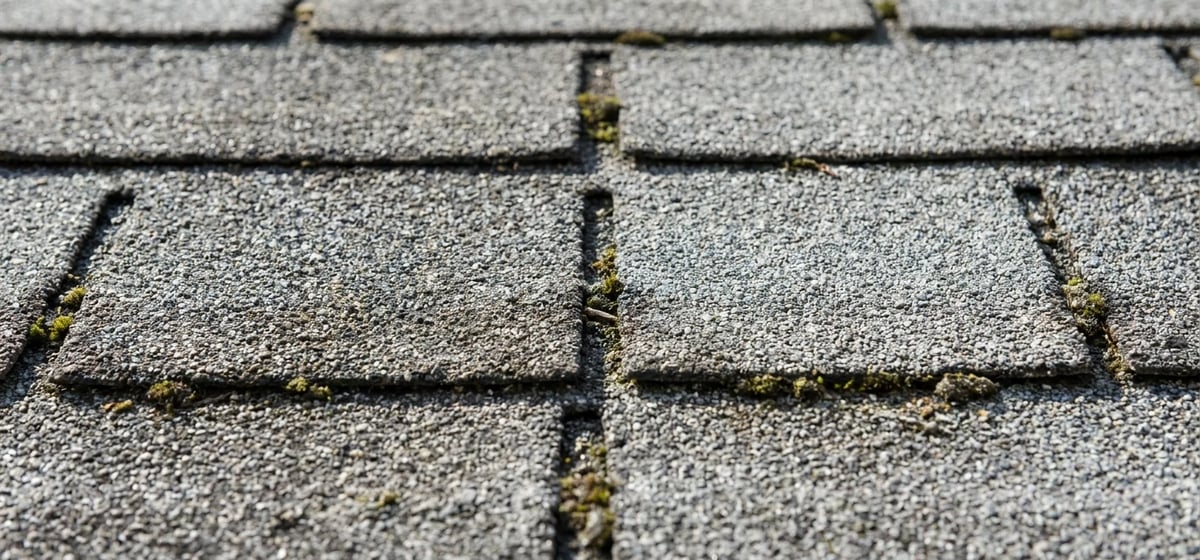
A 3-tab shingle is the most basic and traditional type of asphalt roofing you can put on a house. It is made from a single, flat sheet of fiberglass coated with asphalt and topped with tiny stone granules. The defining feature is the bottom edge. Manufacturers cut two vertical slits into the lower half of the sheet. These cuts make one large piece of roofing look like three smaller, separate pieces when installed.
Roofers started using these flat sheets in the early 1900s. They wanted a cheap alternative to heavy wood shakes. The slits gave the illusion of individual tiles without the high cost and slow labor of laying them one by one. If you look up at your roof and see a very flat, uniform brick pattern with no thick overlapping layers, you likely have 3-tab shingles.
Why builders use them
Cost is the main reason these shingles are still around today. They are the cheapest asphalt material you can buy. The materials typically cost 70 to 100 dollars per square. A square is a roofing term that equals 100 square feet. Labor is also slightly cheaper because the material is light, easy to carry, and simple to cut.
A complete roof replacement with these basic shingles might cost 5,000 to 8,000 dollars for an average house. Keep in mind that prices always vary based on your location and the exact size of your roof. You will often see this material on starter homes, rental properties, detached garages, or older houses that have not updated their Roofing in a couple of decades.
How they compare to newer styles
Today, most new roofs use architectural shingles instead of the 3-tab style. Architectural shingles are thicker and have multiple layers glued together. They look more like real wood or slate because they have a bumpy, dimensional texture. A 3-tab product is just one flat layer, which means it weighs a lot less.
Because it is thin and light, a 3-tab roof is vulnerable to rough weather. Most of these basic roofs are only rated to handle winds up to 60 miles per hour. Architectural styles can often handle winds up to 130 miles per hour. The lifespan is also much shorter. A standard 3-tab roof will usually protect your home for 15 to 20 years before the sun dries it out. Thicker shingles can easily last 25 to 30 years.
What to watch for as they age
Since they are so thin, these shingles show wear and tear very quickly. You need to keep an eye on them to prevent leaks. Walk around your house once a year and look up at the roof from the ground.
- Curling edges: The corners of the tabs will start to lift or curl up as the asphalt bakes in the sun and dries out.
- Missing tabs: High winds can easily snap off the individual flat tabs if the adhesive strip underneath them fails.
- Bald spots: The colored stone granules protect the underlying asphalt from the sun. If you see shiny black patches, the granules are gone and the roof is degrading.
- Granules in gutters: You will often find heavy piles of these tiny stones washing out of your downspouts after a rainstorm as the roof gets older.
Insurance and replacement choices
When it is time to replace your roof, you have a choice to make. You can stick with the basic 3-tab style to save a little money up front. However, the price gap between basic and premium shingles has shrunk a lot over the years. Many roofers will push you to upgrade to thicker materials because the labor effort is almost exactly the same.
Sometimes your Home Insurance company will also care about this choice. Some insurers offer discounts if you install heavier, wind resistant materials. If you live in an area with hurricanes, hail, or strong spring storms, upgrading is usually the smartest move. If you are unsure what a replacement will run in your area, you can read more about Hiring Contractors & What Things Cost to help plan your budget.