What is a Sump Basin?
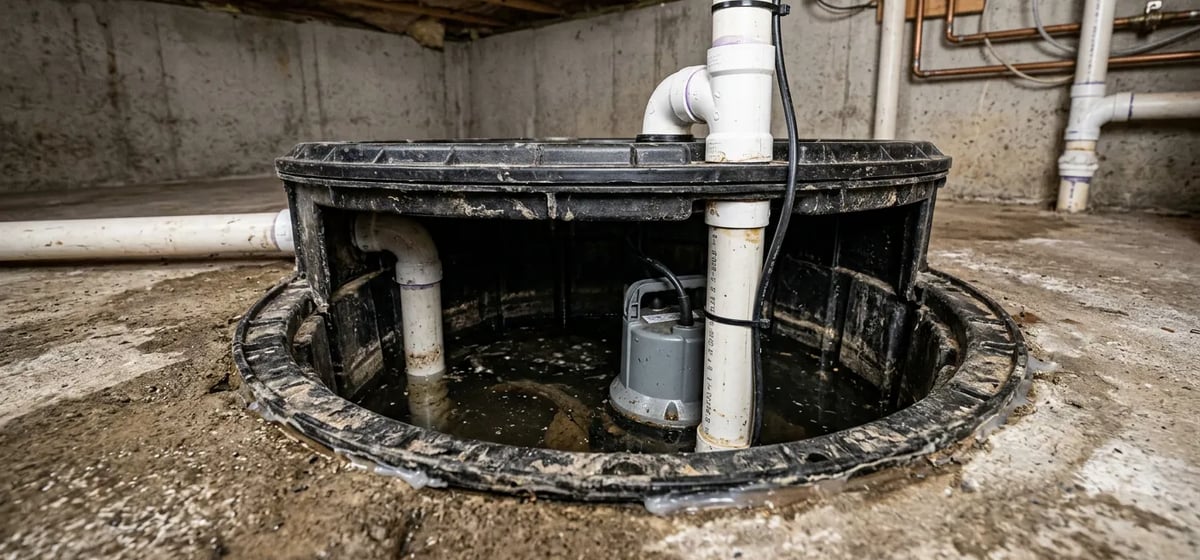
A sump basin is a large hole dug into your lowest floor. You will usually find it in a basement or crawlspace. It is lined with a tough plastic, fiberglass, or concrete bucket. The word sump comes from an old German word meaning swamp or marsh. Builders put these basins in modern homes to control groundwater and keep basements completely dry.
As water builds up under your house, it naturally looks for a place to go. Instead of pushing up through the concrete floor and flooding your basement, the water flows into this lower pit. A motorized pump sits right inside the basin. When the water gets high enough, the pump turns on and shoots the water out into your yard.
Why It Matters to Your Home
Your sump basin is the first line of defense against water damage. Without it, heavy rain or melting snow can easily ruin your finished basement. Water pressure under your house can also cause serious cracks in your concrete slab over time.
By giving the water a planned place to gather, you protect your Foundation & Structure. The basin acts like a giant funnel. It gathers all the moisture from the drain pipes buried around your home. As long as the basin is intact and the pump works, your home stays dry.
What to Watch Out For
You need to check your sump basin a few times a year. Dirt, gravel, and small rocks can wash into the pit along with the groundwater. Over time, this debris builds up at the bottom. If the mud gets too deep, it can clog your pump and stop it from working.
You also need a good cover on your basin. An open pit is a safety hazard for kids and pets. It can also let radon gas or nasty smells drift into your living space. A tight cover keeps the smells trapped and keeps things from falling into the water. If you notice a bad smell coming from the pit, the water might be sitting too long. You can flush the basin by pouring a few buckets of clean water into it to force the pump to run.
- Look for cracks in the plastic liner.
- Check that the pump sits flat on the bottom.
- Make sure the float switch has room to move up and down without hitting the side of the pit.
- Look at the cover to ensure it is tightly bolted or snapped into place.
Costs and Upgrades
Sometimes a sump basin gets cracked or needs to be made bigger. If you need to replace just the plastic liner, the part itself is cheap. A new plastic basin costs 30 to 100 dollars at a hardware store. However, paying a professional to dig up the concrete floor and install a new basin costs much more. You can expect to pay 500 to 1500 dollars for the labor and materials. Keep in mind that prices vary based on where you live and how thick your concrete floor is.
If your home does not have a basin at all, adding a brand new one is a major job. A contractor has to break up the floor, dig a deep hole, and connect new drain pipes. This full project usually runs 2000 to 5000 dollars. It is a big expense, but it is much cheaper than dealing with Home Emergencies like a flooded basement.
When you upgrade your basin, it is smart to check your Plumbing setup at the same time. Many homeowners upgrade to a wider basin. A wider pit holds more water, which means your pump does not have to turn on and off quite as often. This makes your pump last longer and keeps your basement safer during heavy rainstorms. You might also want to install a battery backup pump higher up in the same basin to catch overflowing water if your power goes out.