What is an AFCI receptacle?
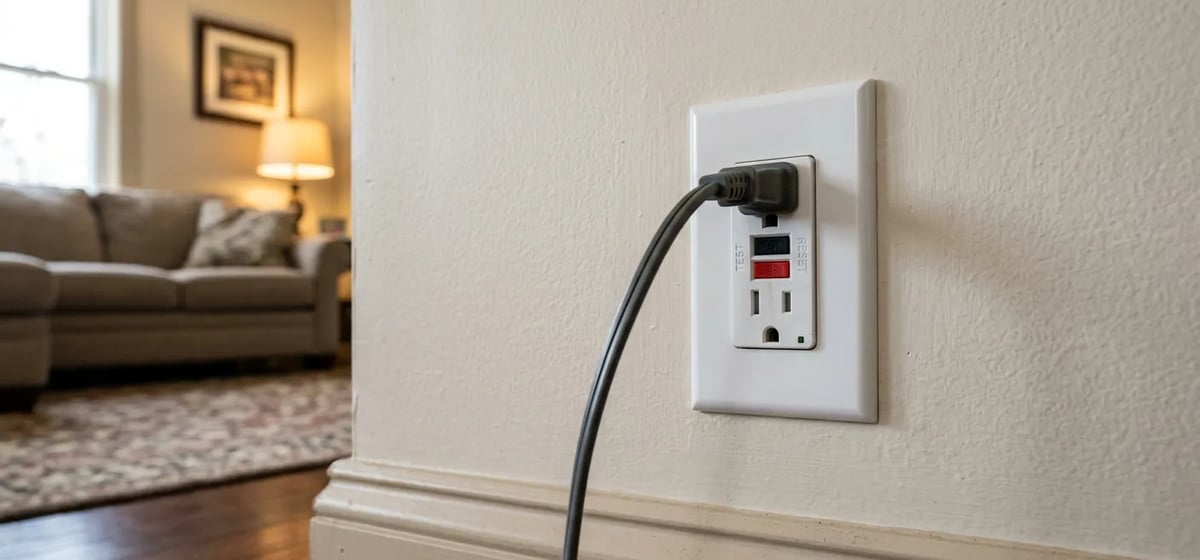
An AFCI receptacle looks like a normal wall outlet. But it has a special job. AFCI stands for Arc Fault Circuit Interrupter. The technology was developed in the 1990s to prevent house fires caused by damaged wiring. Inside the walls of your home, wires can get pinched by nails or chewed by pests. When electricity jumps across a tiny gap in a broken wire, it makes a spark. This spark is called an arc. An arc gets incredibly hot and can quickly start a fire inside your wall. An AFCI receptacle constantly monitors the electrical current flowing through it. If it senses the unique pattern of a dangerous arc, it instantly cuts the power.
Why it matters to you
House fires are a major risk for homeowners. These special outlets stop fires before they even start. If you are reading up on Electrical basics, you will see that modern building codes heavily focus on them. If your home was built or heavily updated after 2014, you probably have AFCI protection in most of your rooms. When you buy an older house, a home inspector will usually point out that you lack these safety outlets. You do not always have to upgrade older homes to meet new codes. But adding them gives you peace of mind and keeps your family safe while you sleep.
Where you run into them
You will usually see these outlets in dry living areas. Common locations include:
- Bedrooms
- Living rooms
- Dining rooms
- Hallways and closets
They look almost exactly like standard outlets. The big difference is that they have two small buttons on the face. One button says test and the other says reset. You might also notice a tiny indicator light next to the buttons. If the light is off, the outlet is usually working fine. If it is on or blinking, the outlet has tripped and turned off the power.
AFCI vs. GFCI: Do not confuse AFCI with GFCI. AFCI prevents fires from sparking wires. GFCI prevents deadly shocks when electricity meets water. You need GFCI outlets near sinks and outdoors, while AFCI outlets go in dry living areas.
What to watch for
Sometimes an AFCI receptacle will trip and cut the power when there is no real danger. This is called a nuisance trip. Older vacuums, treadmills, or power tools with large motors can confuse the outlet. If an outlet trips, unplug everything from the wall and press the reset button. If it keeps tripping with nothing plugged in, you might have a real wiring problem. You should test your AFCI outlets twice a year. Just push the test button. The power should click off immediately. Then push reset to turn it back on. If the reset button will not stay pushed in, the outlet is broken and needs to be replaced. Replacing one of these outlets costs between 30 to 50 dollars for the part. Hiring an electrician to install it usually costs 100 to 200 dollars per outlet. Keep in mind that these price ranges vary based on your location and the pro you hire. If you face constant electrical issues, check our guide on Home Emergencies to know when to call for help immediately.
AFCI Outlets vs. AFCI Breakers
You can get arc fault protection in two different ways. You can install an AFCI receptacle in the wall. Or you can install an AFCI breaker in your main electrical panel. Both do the exact same job of stopping fires. Electricians often prefer to put an AFCI breaker in the panel. A breaker protects the entire circuit, including all the wires hidden inside your walls leading up to the outlets. However, an AFCI receptacle is a great choice if you only need to update a single room. It is also cheaper to swap one outlet than to replace a whole breaker in an old panel. If your home has old wiring, an electrician might suggest adding these special outlets as the first step in your safety plan. When you plan your home improvement projects for Your First Year as a Homeowner, checking your electrical panel and testing your outlets is a smart move.