

Getting to Know Your House
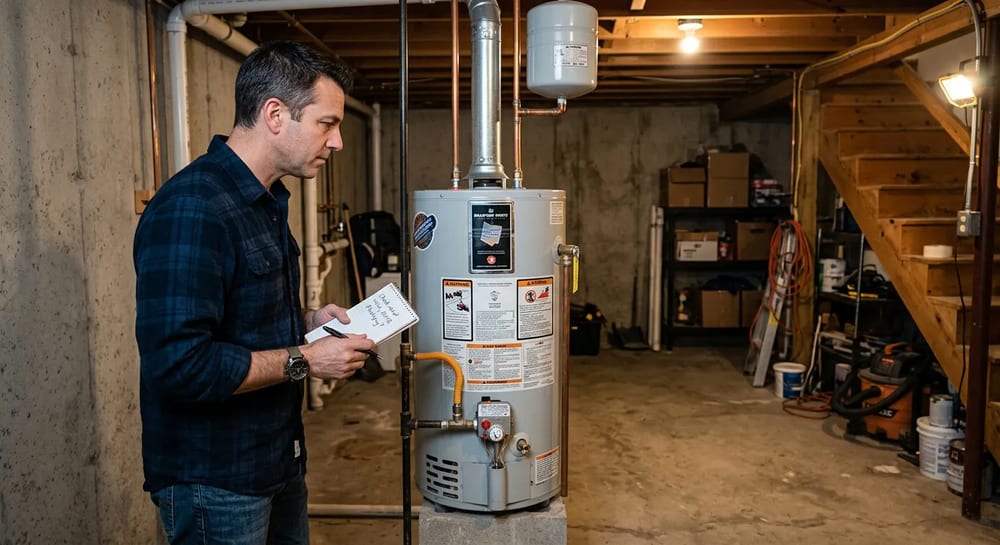
Your house is a complex machine. Over your first year, you need to learn how it sounds, feels, and operates. Every house has a normal baseline. You want to learn that baseline so you can spot when something changes.
Listen to your furnace when it kicks on. Watch how water drains away from your foundation during a heavy rainstorm. Pay attention to any new smells and odors that pop up in the basement or attic. Keep a running list of little quirks. A door that sticks in the summer might work perfectly in the winter because of humidity changes. Do not rush to fix every tiny flaw. Just take notes and get comfortable in the space.
Building Your Home Maintenance Fund
Things will break. This is a normal part of owning property. You need cash ready to handle these surprises. A common rule of thumb is to save 1 to 4 percent of your home value each year for repairs and upkeep.
If you bought a $300,000 house, aim to set aside $3,000 to $12,000 a year. Older homes usually sit at the higher end of that range. Set up an automatic transfer to a separate savings account every month. Treat this fund like a regular utility bill.
Typical First-Year Surprise Costs
New owners often face a few common repairs in the first 12 months. Keep in mind that costs vary heavily by region, the scope of the repair, and the age of your home.
Pacing Your Projects
It is tempting to rip out ugly cabinets or tear down walls the moment you get the keys. Try to resist that urge. Live in the house for a full 12 months before you start any major renovations.
You probably did some deep cleaning and minor painting during your first month as a homeowner. Now you just need to live there. You will learn how you actually cook in the kitchen. You will see where the morning sunlight hits the living room. A layout that seemed annoying at first might actually work well for your daily routine.

Finding Reliable Help
Do not wait for a pipe to burst at midnight to find a plumber. Use your first year to build a roster of trusted local professionals. You want a plumber, an electrician, a heating and cooling tech, and a general handyman saved in your phone.
Ask your neighbors who they use. Local hardware store employees also know who does good work in town. Call a few pros out for routine maintenance, like an annual furnace tune-up. This gives you a chance to see if they show up on time and treat you fairly. Read up on hiring contractors and what things cost so you recognize a fair bid when you see one.
Upgrading Your Tools
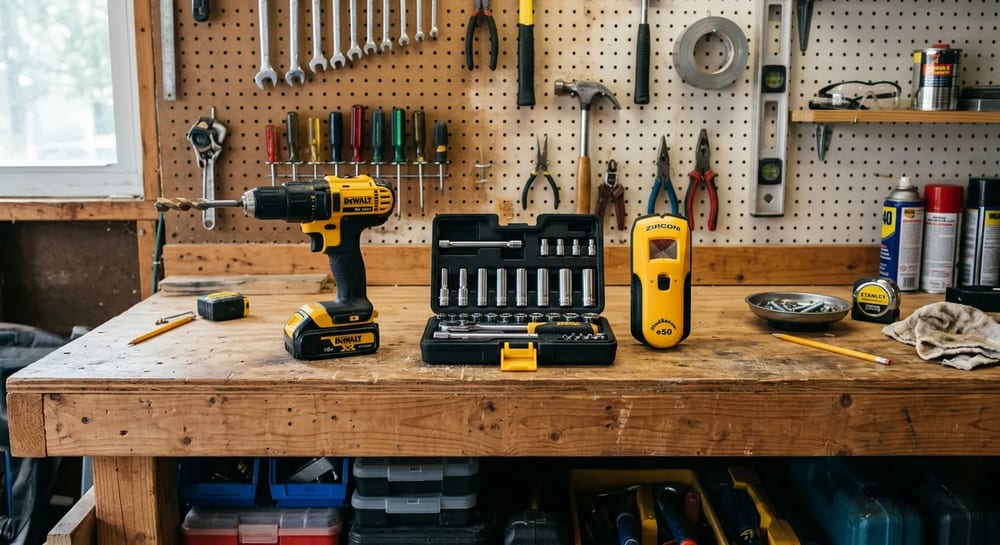
You need better gear now that you own a house. A cheap hammer and a single screwdriver will not cut it anymore. Having the right tools helps you decide between DIY vs. hiring a pro for small jobs around the house.
Start by buying mid-range tools. You do not need professional-grade equipment right away. If you use a tool enough to break it, then you can upgrade to the expensive version.
| Tool | Why You Need It | Estimated Cost |
|---|---|---|
| Cordless Drill Set | Hanging shelves, fixing hinges, and driving screws quickly. | $100 to $200 |
| Stud Finder | Finding solid wood behind drywall to mount heavy items safely. | $20 to $50 |
| Wet/Dry Shop Vacuum | Cleaning up water spills, sawdust, and heavy garage dirt. | $60 to $150 |
| High-Quality Plunger | Clearing stubborn toilet clogs without calling a plumber. | $15 to $30 |
| Socket and Wrench Set | Tightening bolts on furniture, appliances, and lawn equipment. | $40 to $100 |
Keep in mind that tool prices vary based on the brand and the retailer. Check for sales around major holidays.
Managing the Paperwork
Owning a home generates a lot of paper. You will get warranty cards, appliance manuals, service receipts, and tax documents. Create a simple system to keep it all organized.
Get a physical binder with plastic sleeves or set up a dedicated folder on your computer. Put every manual and receipt in there. When you sell the house years from now, buyers will love seeing a complete record of your maintenance history.
You also need to watch your mail carefully. Keep an eye out for official letters regarding property taxes and home finances from your county or mortgage lender.