What is an aerator?
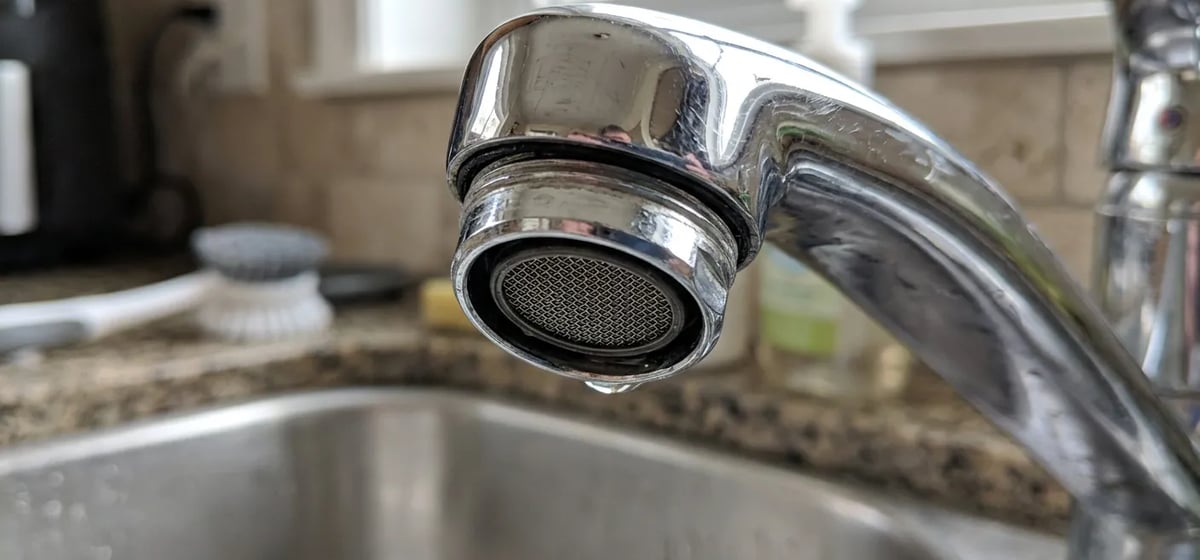
An aerator is a small metal or plastic fitting attached to the very tip of your sink faucet. If you look up into the end of your bathroom or kitchen spout, you will see a tiny wire mesh screen. This screen is the main part of the aerator. The word comes from the Latin word aer, which means air. People started using the word in the late nineteenth century to describe tools that mix air into liquids. Today, almost every home has them.
When you turn on the tap, water pushes through this tiny screen. The screen breaks the single flow of water into many small streams. At the same time, it pulls air into the water. This creates a steady, even stream. You can learn more about how water flows through your house in our Plumbing guide.
Why it matters to you
This tiny part does two big jobs in your home. First, it stops water from splashing everywhere. Without an aerator, water would shoot out of the faucet in one hard, messy blast. It would hit the sink basin and splash all over your counters and clothes. The mixed air makes the water feel softer and land gently.
Second, it saves a massive amount of water. Because the stream is filled with air, you get the feeling of high water pressure while actually using much less water. Older faucets without these screens can use 3 to 4 gallons of water per minute. A modern aerator cuts that down to 1 to 2 gallons per minute. This simple drop in water use lowers your monthly utility bill. It also means your water heater does less work.
How to fix weak water flow
Over time, the tiny holes in the screen get clogged. Hard water leaves behind white crusty mineral deposits. Bits of sand or rust from old pipes can also get trapped in the mesh. When this happens, your water pressure will drop. The water might start spraying out in weird directions. This is a very common issue you might notice during Your First Month as a Homeowner.
You don't need a plumber to fix this. You can usually fix it yourself with your bare hands. Just grab the tip of the faucet and turn it counterclockwise to unscrew it. If it's stuck, wrap a rag around it and gently use pliers. Once you take it off, rinse out any little rocks or dirt. If the screen is covered in hard white buildup, drop the whole piece into a bowl of white vinegar. Let it sit for an hour. The vinegar will melt the minerals away. Scrub it with an old toothbrush, rinse it, and screw it back on.
Buying a replacement
Sometimes the screen is too rusted or torn to clean. You will need to buy a new one at the hardware store. Replacing one is a fast job, which makes it a great project to tackle when looking at DIY vs. Hiring a Pro around the house.
A standard replacement aerator costs 2 to 10 dollars. Prices and ranges vary depending on the brand and the metal finish. Before you go to the store, take the old one with you. When you buy a replacement, check these three things:
- Thread type: Male threads are on the outside, and female threads are on the inside.
- Size: Kitchen faucets usually take larger sizes than bathroom sinks.
- Flow rate: Look for a 1.5 gallon per minute rating to save the most water.
Some modern faucets have hidden aerators. These sit flush inside the metal spout so you can't grab them with your fingers. Your faucet should have come with a special little plastic key to unscrew it. If you lost the key, you can buy a replacement set of keys at the hardware store for about 5 dollars.