What is a disconnect switch?
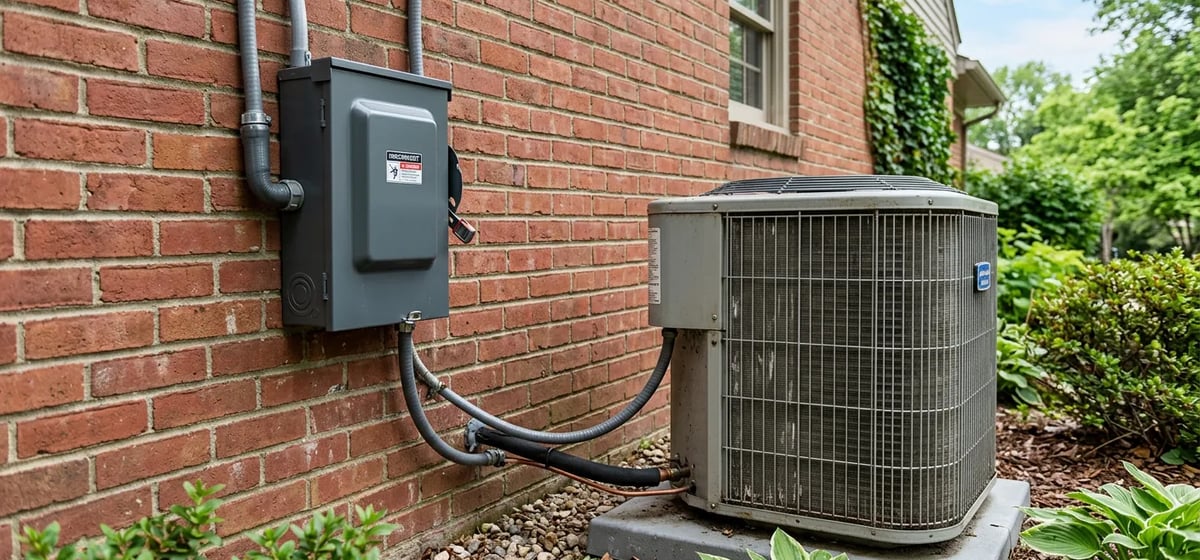
A disconnect switch is a small metal box mounted on the outside wall of your house. You'll usually find it sitting right next to your outdoor air conditioning unit. Inside the box, there is a switch or a pullout block that completely cuts the electrical power to the air conditioner. The name comes from the Latin prefix dis for apart and connectere meaning to join. Electricians started installing these dedicated safety switches in the mid 1900s as home cooling systems became common.
This box serves one main purpose. It gives anyone working on the air conditioner a fast and safe way to turn off the electricity. Even if the main breaker panel is inside the house, a repair person needs to know the power is off right where they're standing. This stops someone inside the house from accidentally flipping the power back on while the technician is working.
Why it matters to you
You need a disconnect switch to meet standard building codes in the United States. Almost every local code requires a clear way to shut off the power within sight of the outdoor unit. If you plan to sell your house or pull a permit for a new air conditioner, an inspector will check for this box. You can learn more about how your cooling system works in our HVAC & Climate Control guide.
It also protects your expensive equipment. If your air conditioner starts making a terrible grinding noise or smoking, you don't want to run inside to hunt for the breaker panel. You can step outside and pull the disconnect block to stop the machine instantly.
Types you might see
There are a few common styles of disconnect switches used on homes today. Your house will have one of these based on local rules and the age of your system.
- Non-fused pullout: This is the most common type. You open the metal door and pull out a small plastic handle. Taking this handle out breaks the circuit.
- Fused pullout: This looks just like the non-fused version, but the pullout block holds two cartridge fuses. These fuses offer extra protection if the unit draws too much power.
- Breaker switch: This type looks like a standard light switch or a breaker from your main electrical panel. You simply flip it up or down.
What to watch for
These boxes sit outside in the rain and snow all year. Over time, they can wear out. You should check your disconnect switch a few times a year. Look for heavy rust on the metal box. Make sure the door closes tightly so water stays out. If you see wasps building nests inside, you'll need to clean them out carefully.
You should also listen to the box when your air conditioner is running. If you hear a loud buzzing or crackling sound, the electrical connections might be loose. A loose connection causes heat and can start a fire. If you notice any burn marks or melted plastic, turn off the power at your main indoor breaker panel and call an electrician right away. You can read more about dealing with wiring issues in our Electrical guide.
What it costs to replace
If your disconnect switch rusts out or fails, you'll need to hire a professional to swap it out. The parts are cheap, but you're paying for the labor and the safety expertise. To replace a standard disconnect switch, you can expect to pay between $150 to $300 total. Keep in mind that ranges vary based on where you live and how far the electrician has to drive. If the wires going from the house to the box are also damaged, the price will go up. For more details on budgeting for repairs, check out our guide on Hiring Contractors & What Things Cost.