What is a berm?
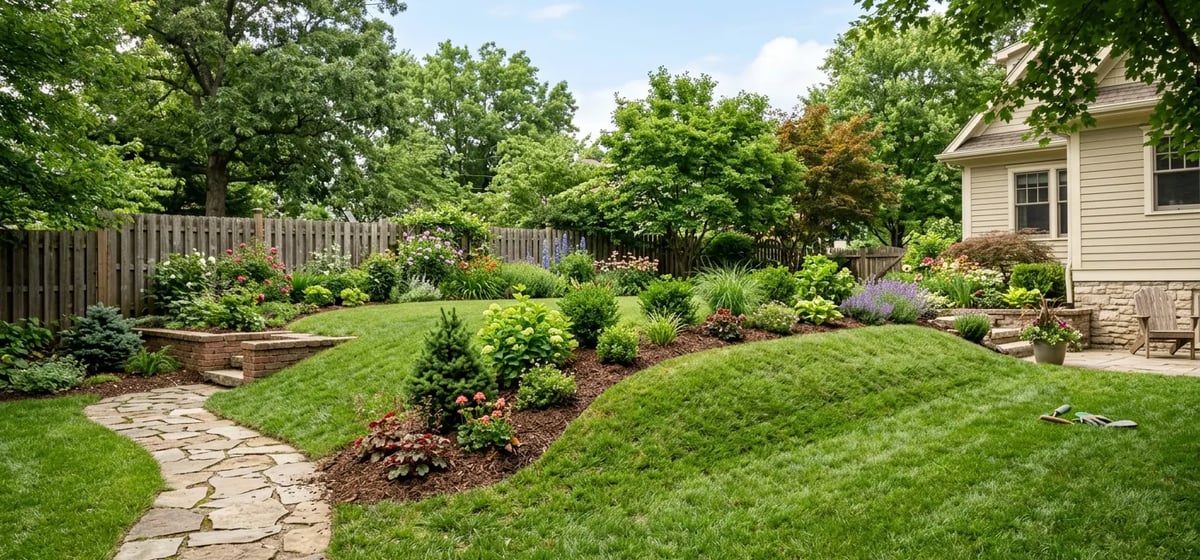
A berm is a raised mound of dirt in your yard. It looks like a small, smooth hill. Landscapers build them to change the flat shape of a lawn. The word actually comes from a Middle Dutch word meaning the edge of a dike. Today, landscapers use the term to describe these artificial ridges of soil. You can cover a berm with grass, mulch, or rocks. Most people plant trees, shrubs, or flowers on top to make it look like a natural part of the yard. A good berm never looks like a perfect circle or a straight line. Landscapers usually shape them like a kidney bean or a crescent moon so they blend into the outdoors.
Why it matters to you
A berm does two big jobs for your home. First, it controls water. If your yard slopes toward your house, rain will pool around the base. A well-placed berm acts like a gentle dam. It catches the water and forces it to flow away from your Foundation & Structure. This keeps your basement dry and prevents expensive water damage.
Second, a berm adds privacy and blocks noise. A flat yard leaves you exposed to the street. If you build a small hill and plant thick evergreen bushes on it, you instantly create a tall green wall. This blocks out headlights, hides ugly street views, and muffles traffic noise. It also makes your yard look more interesting by adding height and depth to a flat space.
Where you run into it
You will usually hear about berms when you try to solve a yard problem. If you hire a company to fix a soggy lawn, they might suggest building a berm. You will see it listed on their written quote as a line item for soil grading. You might also run into this term if you want to block the view of a busy road. Landscape designers often sketch berms into their plans to give trees a head start on height.
What to watch for
Building a berm is not just dumping a pile of dirt. If you do it wrong, you can cause big problems. Keep an eye out for these common mistakes.
- Steep sides: A berm should slope gently. If the sides are too steep, rain will wash the dirt away. You also won't be able to push a lawnmower over it safely.
- Bad drainage: A berm blocks water. You must give that water a safe place to go. If you trap the water in your yard, you will create a muddy swamp. Always plan a path for the water to escape.
- Poor soil: Don't build the whole mound out of expensive topsoil. It will sink and lose its shape. Use heavy clay or fill dirt for the base. Only put good planting soil on the top layer.
- Settling over time: Dirt packs down as it rains. A brand new berm will shrink by a few inches during its first year. You might need to add more topsoil or mulch later to keep the shape looking good.
How much it costs
The price to build a berm depends on the size and what you plant on it. Prices and ranges vary by location, but you can expect to pay between 400 and 1500 dollars for a basic project. A simple dirt mound covered in grass seed costs on the low end. A large berm packed with mature trees, heavy boulders, and stone borders will cost much more, sometimes reaching 3000 dollars. You will pay for the delivery of fill dirt, topsoil, and mulch. You'll also pay heavy equipment fees if the crew needs a skid steer to move the dirt. If you do it yourself, you just pay for the dirt delivery and the plants. If you want to learn more about yard projects, check out our guide on Landscaping, Drainage & Outdoor upgrades.