What is an Anti-Tip Bracket?
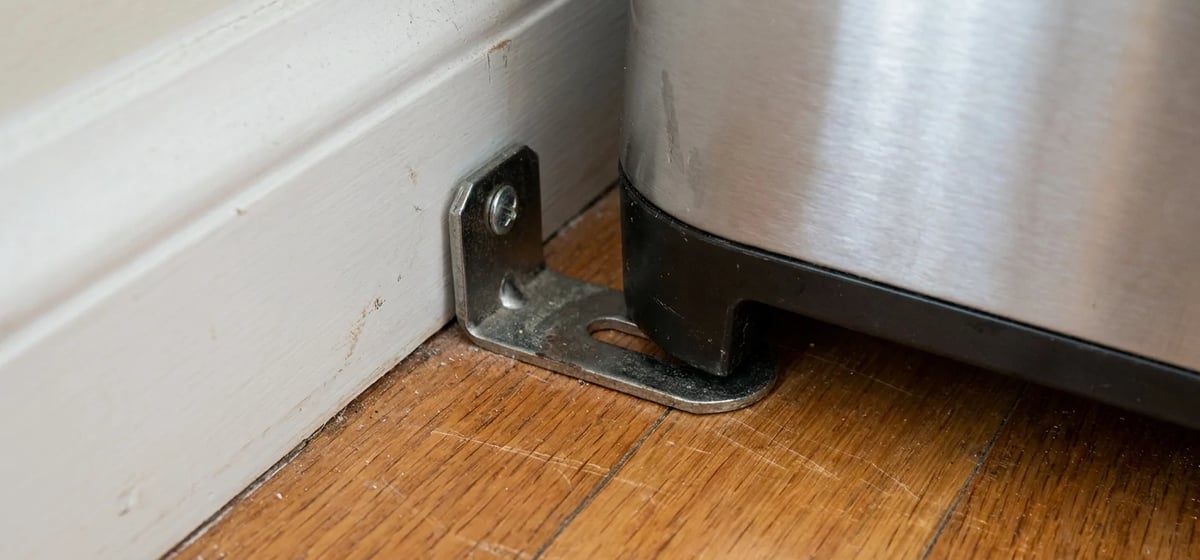
An anti-tip bracket is a small metal safety device that secures your kitchen range to the floor or the wall behind it. When you open your oven door, you change the center of gravity. If you put too much weight on that open door, the entire oven can tip forward. The bracket grips the back leg of the oven so it stays firmly in place. You'll find this piece of hardware on freestanding and slide-in ranges. It's a critical part of your appliances and keeps your kitchen safe.
Why This Hardware Matters
A falling oven is incredibly dangerous. Kitchen ranges easily weigh 150 to 200 pounds. If a child climbs on an open oven door to reach the counter, the heavy appliance can crush them. A tipping oven also spills boiling water, hot grease, and heavy pots right onto whoever is standing in front of it. Because of these serious risks, the US Consumer Product Safety Commission made anti-tip brackets a mandatory standard for all new freestanding ranges in 1991. If you're reading a new homeowner guide, checking for this bracket should be near the top of your safety checklist.
How to Check Your Oven
Many homes don't have these brackets installed. Sometimes the delivery team forgets to put them in, or a previous owner removed them to clean and never lined the oven back up. You can easily check if your oven is secure without any tools.
- Make sure the stovetop is clear and the oven is completely cool.
- Grip the top rear edge of the range.
- Gently and carefully try to pull the oven forward just an inch or two.
- If you feel the back of the oven lift up easily, you don't have a working bracket.
- If the oven feels locked to the floor, the bracket is doing its job.
You can also shine a flashlight down near the back floor of the oven. Look for a metal lip gripping the back leveling leg of the appliance.
Installation and Costs
If you discover your oven is missing this bracket, you need to fix it right away. You can buy a universal anti-tip bracket at any local hardware store. The part itself is very cheap. It usually costs between 15 and 30 dollars. Installing it is a simple project for someone handy, but you must make sure it screws securely into a floor joist or a wall stud. If you just screw it into drywall, it will rip right out when the oven tips.
If you don't want to pull out the oven and drill into your floor, you can hire a local handyman to do the job. You can expect to pay 75 to 150 dollars for the labor. Prices and what home repairs cost will vary depending on where you live and the minimum service fee of the pro you hire. If you're having a new floor put in, your flooring contractor will need to remove the old bracket and install a new one on top of the finished floor.
Home Inspections and Selling
You'll often hear about anti-tip brackets when you buy or sell a house. A missing bracket is one of the most common flags on a home inspection report. Home inspectors are trained to test the oven during their walkthrough. If the oven tips, they'll write it up as a safety defect. If you're selling your home, the buyer might ask you to install the bracket before closing. It's a very fast fix that keeps the sale moving smoothly.
If you rent out your property, you have a legal liability to make sure the bracket is installed. A tenant could sue you if the oven falls and hurts someone. Always double check that the bracket is engaged anytime you pull the oven out to clean behind it or retrieve a dropped spoon. It only takes a few seconds to slide the back leg into the metal slot, but it gives you total peace of mind.