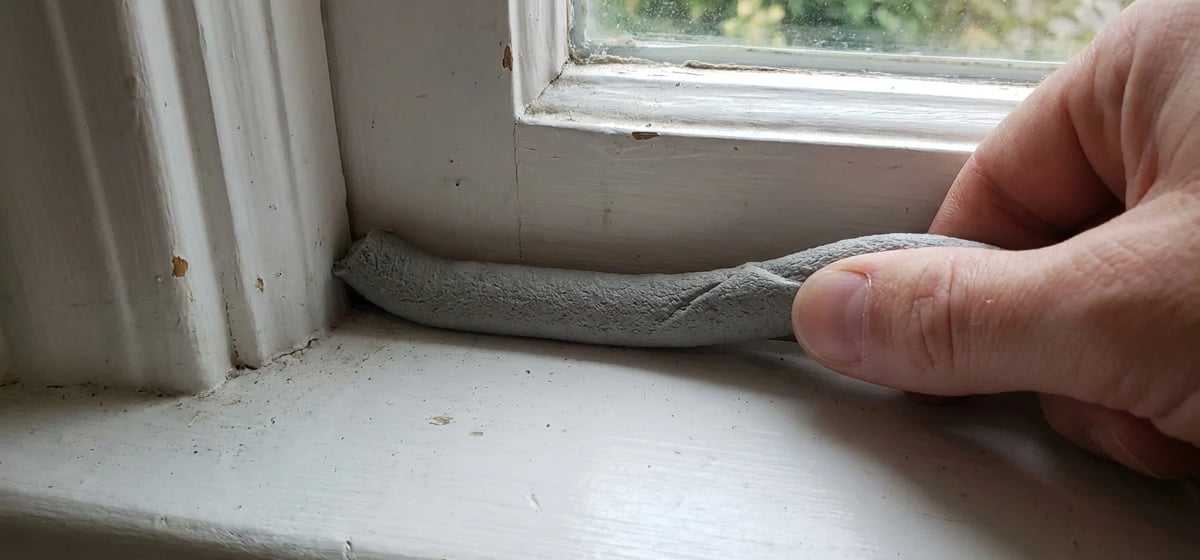
What Is Rope Caulk?
Rope caulk is a soft weatherstripping putty that comes in a long roll. It looks like a flat coil of thick gray or brown noodles. The word caulk actually comes from a Latin word that means to press down. Manufacturers added the word rope to describe the long strands that look like thin cords. You simply peel off a strand and press it into gaps around your house.
Most brands make this putty from a mix of oil and clay. Unlike regular liquid caulk that comes in a tube, rope caulk never fully hardens or dries out. It stays flexible and sticky all season long. This makes it a perfect temporary fix for drafty Windows & Doors during the cold winter months. You don't need a caulking gun, special tools, or any DIY experience to use it. You just need your hands and a few minutes of spare time.
Why It Matters To You
A drafty house costs you money every single day. When cold winter air sneaks in through old window frames, your heater has to work much harder to keep the rooms comfortable. This constant running drives up your monthly utility bills. It also puts extra wear and tear on your HVAC & Climate Control systems, which can lead to expensive repair bills down the road.
Rope caulk stops those drafts instantly. It creates a solid, physical seal that keeps the freezing air out and the warm air inside. Because it's so cheap and easy to apply, it offers one of the fastest ways to lower your heating bill. You will feel an immediate difference in how warm a room stays. As a bonus, this thick putty also blocks out crawling bugs, blowing dust, and even loud outside noise.
How To Use It Around Your Home
You can apply this material anywhere you feel a cold breeze coming into your home. Most people use it right where the moving window sash meets the bottom windowsill. You can also press it around window air conditioning units, drafty baseboards, or gaps around exterior door frames.
Applying the putty takes almost no effort. Here's how you do it for the best results:
- Clean the area first. Wipe away dust, dead bugs, and dirt so the putty can stick properly.
- Dry the surface completely. Rope caulk won't stick to wet wood, damp vinyl, or cold metal.
- Peel away a single strand from the roll. You can easily twist two or three strands together if you need to fill a much wider gap.
- Press the cord firmly into the gap with your thumbs. Smooth it out along the edge so it makes a tight, unbroken seal.
When spring arrives and the weather warms up, you just grab one end of the cord and pull it away. It usually comes off in one long, clean piece. If a little bit gets left behind on the glass or wood, you can just rub it off with your fingers or a dry cloth. It doesn't leave a sticky mess or strip away your paint.
Costs And When To Skip It
This is one of the absolute cheapest home maintenance tasks you can tackle. A standard roll costs about 5 to 10 dollars at any local hardware store. Prices and ranges vary slightly based on the brand and how many feet of cord you buy. One standard roll usually covers three to five average windows.
While rope caulk is incredibly useful, it isn't for every single job. You should avoid using it in a few specific situations around your home:
- Don't use it on windows or doors you need to open regularly. The putty will stick the moving parts together and tear if you force them open.
- Avoid using it in wet areas like showers, bathtubs, or kitchen sinks. It isn't waterproof and will wash away down the drain.
- Skip it if you want a permanent fix. For long-term sealing outside your home, you need traditional silicone or acrylic caulk.
If you find yourself buying rolls of this putty every single winter, you might have bigger issues with your home exterior. It might be time to look into Window Replacement Cost to permanently fix those massive drafts and save even more money.