Find Your Shut Offs
The very first thing you need to do is find out how to turn off the water, gas, and electricity. If a pipe bursts or a wire sparks, you will not have time to go looking for the main controls. You need to know exactly where they are.
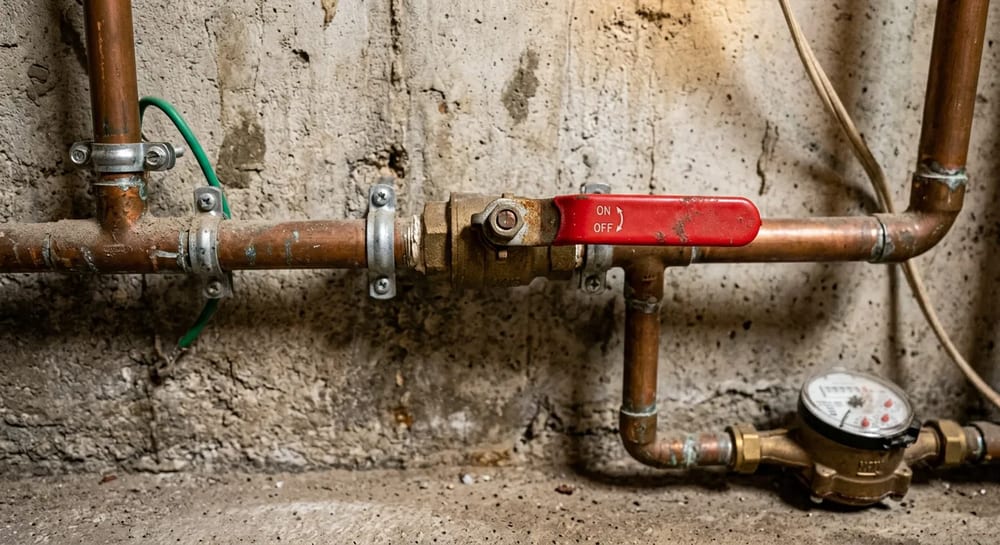
Walk around the house and locate the main water valve. It is usually in the basement, in a crawlspace, or outside near the street. Next, find your main electrical panel. Open the door and locate the main breaker at the top. Finally, find your gas meter and the shut off valve attached to it. Knowing these spots helps you handle home emergencies quickly.
Secure the House
You have no idea who the previous owners gave keys to. They might have handed copies to neighbors, dog walkers, or contractors. You want to be the only person with access to your home.
Hire a locksmith to rekey all your exterior doors. This usually costs $100 to $250 for a few doors. Keep in mind that costs vary by region, the scope of the job, and your home age. You should also reset the codes on your garage door openers and any smart locks. This is a simple step that greatly improves your home security.
Baseline Your Major Systems
You need to know what you bought. Take a notebook and walk through the house. Write down the brand, model number, and serial number for every major system. This includes your water heater, furnace, air conditioner, and kitchen appliances.
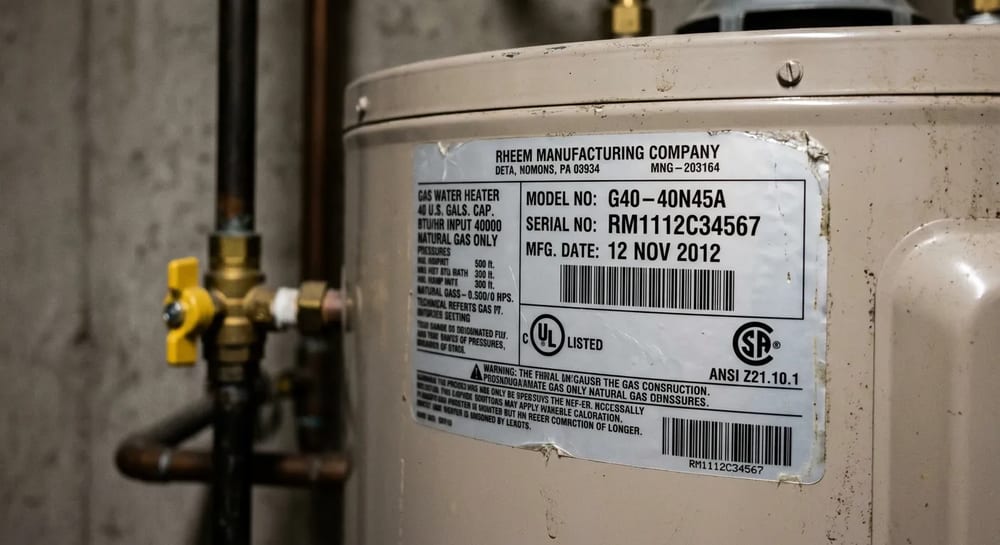
Look for a sticker or metal plate on the side of the equipment. You can type the serial number into a search engine to find the exact year the unit was built. This helps you understand your HVAC & Climate Control setup and guess when parts might fail.
Plan for Replacements
Nothing in your house lasts forever. Roofs get old. Water heaters rust. Air conditioners stop blowing cold air. Once you know the age of your systems, you can estimate how much life they have left.
Typical System Lifespans
When these systems die, they cost real money to replace. Here is what you can expect to pay for new equipment.
| System | Typical Lifespan | Estimated Replacement Cost |
|---|---|---|
| Asphalt Shingle Roof | 15 to 25 years | $5,000 to $12,000 |
| Central Air Conditioner | 10 to 15 years | $3,500 to $7,500 |
| Gas Furnace | 15 to 20 years | $3,000 to $6,000 |
| Tank Water Heater | 8 to 12 years | $800 to $1,800 |
Keep in mind that these price ranges vary widely based on your region, the scope of the work, and the age of your home.
Hunt Down Leaks
Water is the biggest enemy of your house. A slow leak can rot wood, grow mold, and ruin floors before you even notice it. Make a habit of checking for water problems during your first few months.
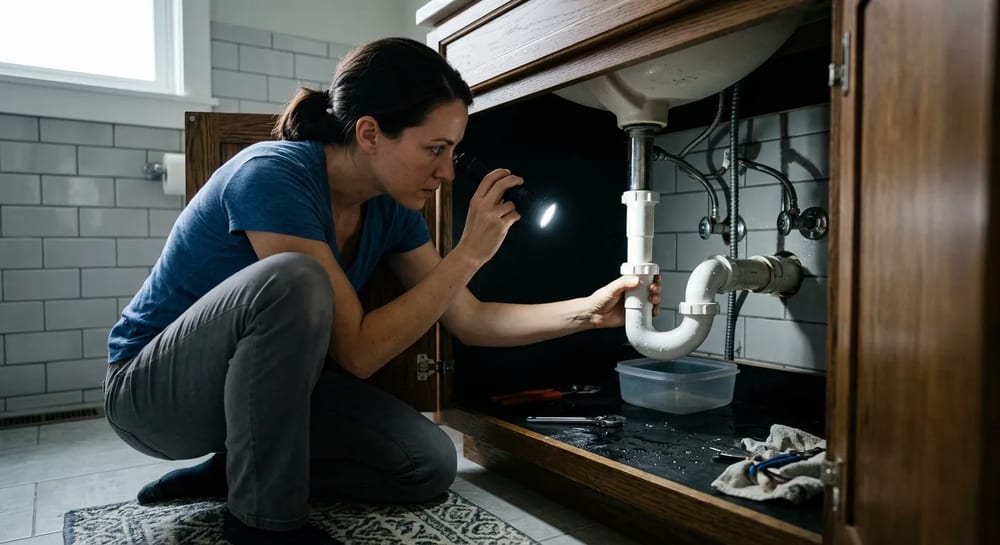
Look under the kitchen and bathroom sinks. Feel the pipes to see if they are wet. Check the floor around the base of your toilets. Walk around the basement after a heavy rain and look for damp spots on the walls. Catching these issues early saves you money on Plumbing repairs.
Learn the Rules
Owning a home means dealing with property lines and local rules. If you live in a community with a Homeowners Association, read the rulebook. You need to know what you are allowed to change on the outside of your house.
Find your property survey in your closing documents. This piece of paper shows exactly where your yard ends and your neighbor's yard begins. Knowing your property lines prevents fights over fences and trees. Taking time to understand your Neighbors & HOAs makes life much easier.
Build a Repair Fund
Houses eat money. You will need to fix things that break. You will want to paint rooms and upgrade fixtures. The best way to handle these costs is to save money before the bills arrive.
A good rule of thumb is to save 1 to 4 percent of your home value each year for maintenance. If your house cost $300,000, you should try to save $3,000 to $12,000 a year. Older homes usually need more money than newer ones.
Your First Week: Safety First
Before you start hanging pictures, take care of the things that keep your family safe. These tasks only take an afternoon, and they give you a clear picture of how your house works.
Press the test button on every smoke detector and carbon monoxide detector in the house. If a unit chirps weakly or stays silent, replace the batteries. Detectors also have an expiration date printed on the back. Most smoke alarms last about 10 years, and carbon monoxide alarms last about 7 years. If yours are past that date, swap them out for new ones.
While you are at it, open the door on your main electrical panel and read the labels. Many panels are mislabeled or blank. A few minutes spent confirming which breaker controls which room will save you a lot of frustration later. For a full day-by-day plan, see your first week tasks.
Find and Label Your Home's Shut-Offs
Knowing where your shut-offs are is good. Labeling them so anyone in the house can find them fast is better. A leak at 2 in the morning is not the time to hunt for a valve in the dark.
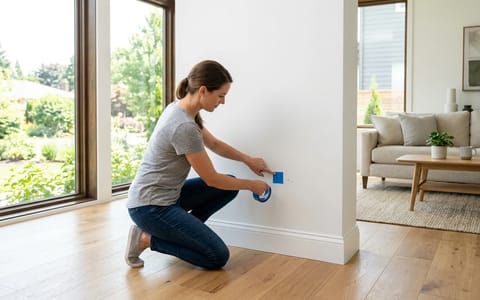
Take a roll of masking tape and a marker, and tag each control as you find it.
- Water main: The single valve that cuts water to the whole house. Turn it off and watch a faucet to confirm the flow stops.
- Fixture valves: The small valves under sinks and behind toilets. These let you shut off one fixture without killing water to the rest of the house.
- Gas shutoff: The valve on the pipe near your gas meter. You need a wrench to turn it, so keep one nearby.
- Main breaker: The large switch at the top of your electrical panel that cuts power to the entire house.
A burst supply line can dump gallons of water into your home every minute. Reaching the right valve in seconds is the difference between a mop-up and a flooded floor. Learn more in the emergencies guide and the plumbing guide.
Build a Basic Homeowner Tool Kit
You do not need a garage full of tools to handle small jobs. A short list of basics covers most of what comes up in the first year. Keep them together in one box so you are not searching when something breaks.
| Tool | What It Is For |
|---|---|
| Cup and flange plunger | Clearing clogged sinks and toilets before you call a plumber. |
| Cordless drill and driver bits | Hanging shelves, assembling furniture, and driving screws. |
| Stud finder | Locating wall framing so heavy items hang securely. |
| Non-contact voltage tester | Confirming a wire is dead before you touch it. |
| Wet/dry vacuum | Cleaning up water spills and basement leaks. |
| Tape measure and level | Measuring spaces and hanging things straight. |
| Adjustable wrench and screwdriver set | Tightening fittings and handling everyday fixes. |
Set Up a Maintenance Routine
The easiest way to avoid big repairs is to do small tasks on a regular schedule. Spreading the work across the year keeps any single month from feeling like a chore. Put a few reminders on your calendar and follow the rhythm below.
- Monthly: Check your HVAC filter and replace it when it looks dirty. Test a smoke detector. Run water in any drain you rarely use.
- Seasonally: Clean the gutters in spring and fall. Service your heating before winter and your cooling before summer. Walk the yard and look for drainage problems.
- Annually: Flush the water heater. Have the furnace and air conditioner inspected. Reseal grout and caulk where it has cracked.
A clogged gutter or a dirty filter seems minor, but ignored long enough it leads to water damage or a failed system. For a structured plan, follow your first year checklist and read the HVAC & Climate Control guide for filter and service timing.