What is an appraisal?
An appraisal is a formal report that states exactly how much your house is worth on the current market. A licensed professional comes to your property to inspect it. They then compare your home to similar houses that recently sold in your neighborhood. The word comes from the Old French word aprisier, which means to set a price on something. It became a standard real estate term in the United States during the 1930s to help stabilize the housing market.
You can't just guess the value of a house. The appraiser looks at facts. They count the bedrooms and bathrooms. They measure the square footage. They also check the general condition of the property. All of this information goes into a final document that gives a specific dollar amount for the property.
Why banks require it
If you need a mortgage, your bank will require this document before they approve the loan. The bank needs to protect its money. They want to make sure they don't lend you more money than the house is actually worth. If you stop paying your mortgage, the bank will have to sell the house to get their money back. They use the appraisal to confirm the house holds enough value to cover the loan.
This is a standard step when buying a home. It's also required if you decide to refinance your current mortgage. The bank orders the report through an independent third party. This ensures the appraiser has no personal interest in the sale. They only care about providing an accurate number based on hard data.
How the process works
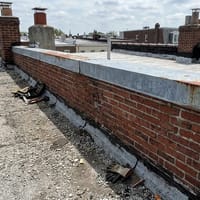
The appraiser schedules a visit to walk through the house. This visit usually takes less than an hour. They take photos of the inside and outside. They look at the layout and the materials used in the home. They'll note the age of the roof and check out your foundation and structure to make sure things look solid.
After the visit, the appraiser goes back to their office to do research. They look for comparable sales, often called comps. Comps are nearby homes with similar features that sold in the last three to six months. The appraiser adjusts the value based on differences. They put all this math into a standard form and send it to the bank.
What it costs
You usually pay for the appraisal as part of your closing costs. The fee typically ranges from 400 to 600 dollars, though prices vary based on your location and the size of the property. Very large homes or rural properties can cost more because it takes more time to find good comps.
Even though you pay for the report, the document technically belongs to the lender. However, federal law requires the lender to give you a free copy of the final report. You should always ask for this copy so you can review the details.
When the value is low
Sometimes the appraisal comes in lower than the agreed purchase price. This creates a problem because the bank will only lend money based on the appraised value. If you're buying the house, you have a few options to save the deal.
- You can ask the seller to lower the price to match the appraised value.
- You can pay the difference out of your own pocket in cash.
- You can cancel the contract if you have an appraisal contingency in your agreement.
If you're selling your home and think the appraiser made a mistake, you can challenge the report. You'll need to provide proof. You must show the appraiser missed a major feature or used bad comps. This is very hard to win.