What Is a Switch Leg
A switch leg is a vital electrical wire in your home. It carries power from a wall switch directly to a light fixture, ceiling fan, or switched outlet. When you turn your wall switch off, this specific wire has no electrical current. When you flip the switch to the on position, the power flows through the switch leg to turn your device on. It acts as the final bridge that makes your lights work.
You can think of your home wiring in two parts. The line wire brings constant power from your breaker panel to the switch. The switch leg takes that power the rest of the way to the light bulb. Electricians combined the word switch with leg to describe this setup. In electrical work, a leg means a specific branch of a circuit. This jargon first appeared in American wiring guides in the early 1900s.
Why It Matters to You
You will likely hear this term when you want to upgrade your home lighting or install smart switches. Modern smart switches need constant power to stay connected to your home internet. This means they usually require a neutral wire in the wall box. However, older homes often use a wiring method called a switch loop.
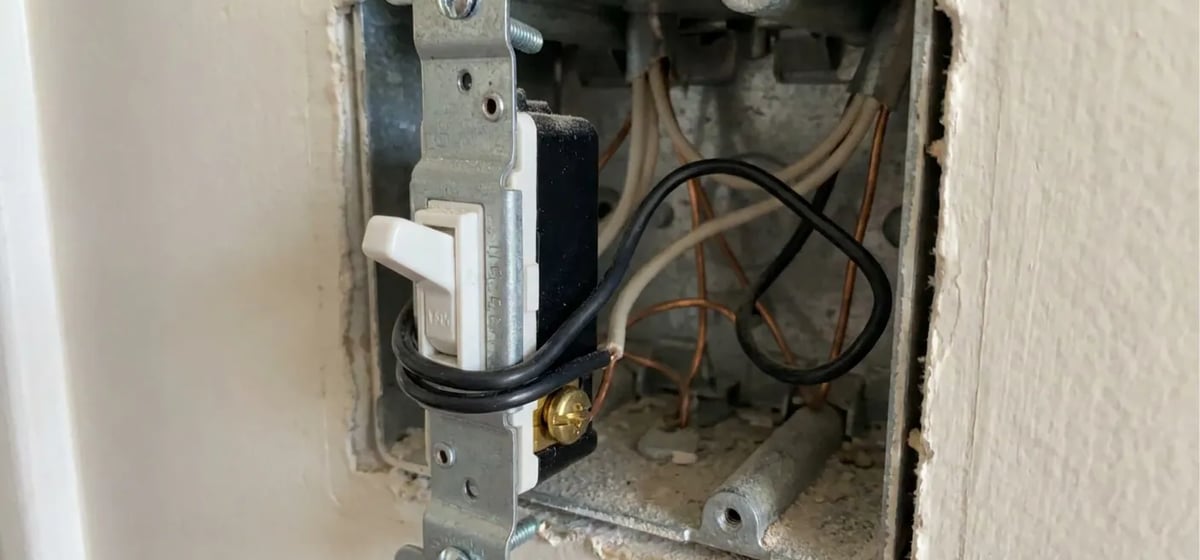
In a switch loop, the main power goes straight to the ceiling fixture first. A single cable then runs down the wall to the switch. One wire brings power down, and the switch leg carries the power back up. In this older setup, you do not have a neutral wire in the wall box. Knowing if you have a simple switch leg or a switch loop helps you buy the right smart switches. You can learn more about how your home circuits work in our Electrical guide.
Wire colors can also confuse you when dealing with switch legs. In a standard setup, the switch leg is usually a black or red wire. But in an older switch loop, an electrician might use a white wire as the switch leg. They are supposed to wrap the end of that white wire in black electrical tape to warn you that it carries live power. Over time, that tape can fall off. This is why you must always test wires before you touch them.
Common Projects and Costs
You run into switch legs during many common home upgrades. If you have a ceiling fan that turns on with a single wall switch, you have to use the pull chains to control the fan speed and the light separately. Many homeowners hate using pull chains. To fix this, an electrician must run a second switch leg from the wall to the ceiling.
This project requires pulling a new wire through your walls and ceiling. Once finished, one switch leg controls the fan motor, and the second switch leg controls the light kit. Adding new recessed lights to a dark living room also requires a brand new switch leg.
- Running a second switch leg to separate a fan and light costs 150 to 300 dollars.
- Installing a new wall switch and running a switch leg for new overhead lights costs 300 to 800 dollars.
- Replacing an old switch loop with modern wiring costs 200 to 500 dollars per switch.
Keep in mind that these ranges vary based on your location and whether your walls are open or closed. Fishing wires behind finished drywall takes much more time and labor.
Safety Warning: Never assume a wire is dead just because the wall switch is in the off position. Someone might have wired the circuit backward. If a switch breaks the neutral wire instead of the hot wire, the light fixture will still have live power running to it. Always turn off the breaker at your main electrical panel and use a non-contact voltage tester before you open a junction box.
What to Watch For
If you plan to replace a light fixture yourself, take a picture of the wires before you disconnect anything. You need to know exactly which wire is the switch leg. If you connect the wrong wires together, you will create a dead short. This will instantly trip your breaker and could cause sparks. It is very easy to mix up wires in a box that has three or four cables stuffed inside.
When you feel unsure about your wiring, hiring a licensed professional is always the smartest choice. Trying to guess which wire is the switch leg can lead to dangerous shocks or fire hazards. You can read more about deciding when to call an expert in our DIY vs. Hiring a Pro guide.