What is an appraisal gap?
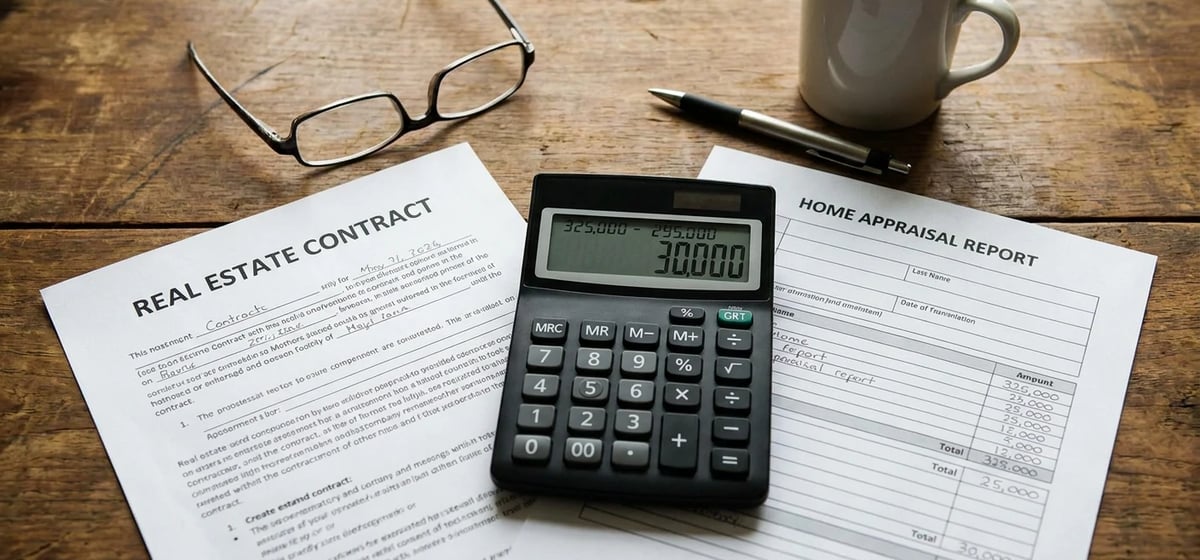
When you buy a house, you agree on a price with the seller. If you need a loan, your bank sends out an expert called an appraiser to look at the property. This person decides how much the house is actually worth based on its condition, size, and location. Sometimes, the appraiser says the home is worth less than the price you agreed to pay. The difference between your agreed purchase price and the official appraised value is the appraisal gap.
Your lender will only base your loan amount on the lower appraised value. This means you have a sudden problem. The bank won't lend you enough money to cover the full purchase price you promised the seller. You have to figure out how to make up the difference to close the deal. The phrase emerged in the modern real estate market during periods of rapid price increases. Buyers and agents coined it to describe the sudden shortfall between a crazy bidding war price and the conservative bank valuation.
Why it happens
This gap usually pops up in a hot real estate market. When many people want to buy the same house, a bidding war starts. Buyers offer more and more money to win. You might offer much more than the asking price to beat other buyers.
But the bank appraiser looks at past sales in the neighborhood. They look at what similar homes sold for over the last three to six months. If prices are rising very fast, the past sales won't match your high offer. The appraiser has to use the older, lower numbers. The bank needs to know they can sell the house and get their money back if you stop paying your loan. They won't take a risk on an inflated price.
How much it costs
The cost of an appraisal gap depends entirely on the house, the neighborhood, and the current market. Real US ballpark costs range from 2,000 to over 50,000 dollars, though ranges vary widely by city and home price. In highly competitive cities, gaps can be even larger.
Let's say you agree to buy a home for 400,000 dollars. The appraiser visits the property and values it at 380,000 dollars. You now have a 20,000 dollar appraisal gap. Your bank will only calculate your loan based on the 380,000 dollar value. If you want to keep the house, you must bring that extra 20,000 dollars in cash to the closing table. This cash is completely separate and on top of your normal down payment and closing costs.
What you can do about it
When you face a gap, you have a few choices to save the deal:
- Pay the difference: You can pay the gap out of your own pocket in cash.
- Negotiate with the seller: You might ask them to lower the price to match the appraised value, or meet somewhere in the middle.
- Appeal the appraisal: You can ask your lender to review the report if you think the expert made a mistake. You'll need to provide better past sales data to prove the home is worth more.
- Walk away: If you have an appraisal contingency in your contract, you can cancel the sale and keep your deposit.
This is an important step to understand when buying a home. Before you sign paperwork for mortgages, ask your loan officer how they handle a low appraisal. Finally, some buyers use appraisal gap coverage clauses in their original offers. This tells the seller upfront that the buyer promises to pay up to a certain amount in cash if the appraisal comes in low.