What is an arbor?
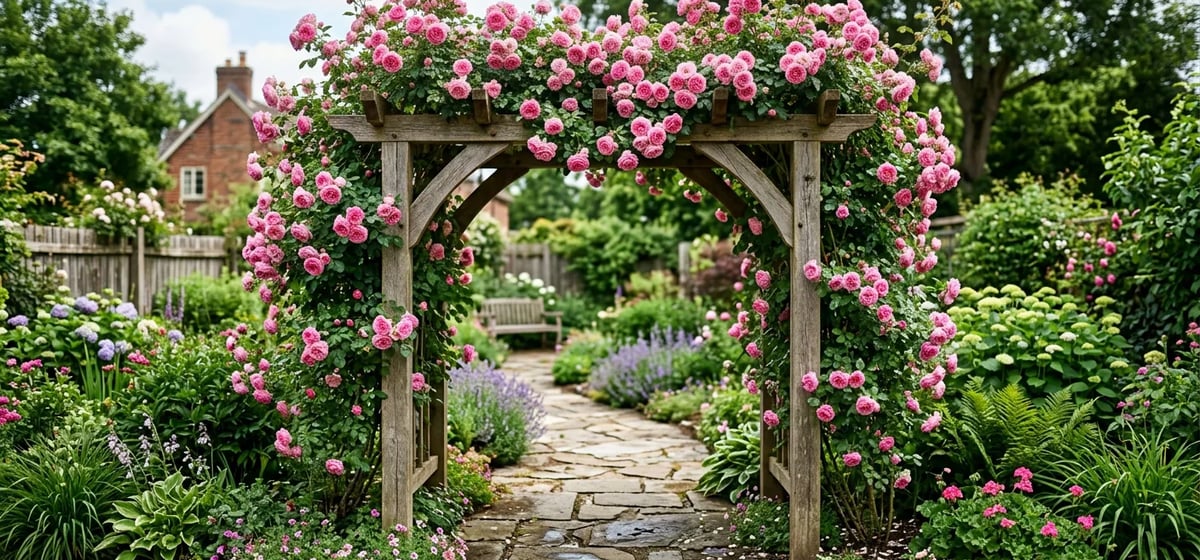
An arbor is a freestanding outdoor structure. It usually has an open roof made of slats or a lattice. You will often see them placed over a garden path, a gate, or an entryway. They support climbing plants like ivy, roses, or grapes. The word comes from an old French word meaning a place planted with trees. Gardeners have built these for centuries to train vines and create shaded walkways.
Unlike a pergola, which is much larger and meant to cover a sitting area, an arbor is smaller. It serves mostly as a doorway or a visual accent in your yard. An arbor acts as a transition point. It tells people they are moving from one outdoor room to another. Many homeowners use them to separate a patio from a grassy lawn. You might also place one at the start of a vegetable garden to look nice and frame the entrance.
Why you might want one
Adding an arbor brings character to your yard. It creates a clear entrance to a specific part of your garden. You can use it to block an ugly view or frame a nice one. If you love gardening, an arbor gives you vertical space to grow climbing flowers. It also provides a tiny bit of shade for a bench or a walkway.
Before you build one, you should check with your neighborhood rules. Some communities have strict guidelines on outdoor structures. You can read more about dealing with these rules in our guide to Neighbors & HOAs.
Common materials and costs
You can buy a store-bought arbor or hire someone to build a custom one. The price depends mostly on the material you choose. Keep in mind that prices vary based on your location and the current cost of supplies.
- Wood: Cedar and redwood are very popular. They resist rot and bugs naturally. A basic wooden arbor costs 150 to 500 dollars. A large custom build can cost 1,000 to 3,000 dollars.
- Vinyl: Vinyl arbors are easy to clean and never need paint. They usually cost 200 to 800 dollars.
- Metal: Wrought iron or aluminum arbors look elegant and last a long time. They range from 100 to 600 dollars.
Labor costs to install a store-bought arbor usually add another 100 to 300 dollars to your total bill. If you hire a professional landscaper to design a custom wooden archway, expect to pay for both the design time and the premium materials. If you want to tackle this as a weekend project, you can save money on labor. Check out our advice on DIY vs. Hiring a Pro to decide what works best for you.
How to maintain your arbor
An arbor lives outside, so it takes a beating from the sun and rain. You need to take care of it so it lasts. If you have a wooden arbor, you should stain or seal it every one to two years. This stops the wood from rotting. Pay close attention to where the posts meet the dirt. This is the first place wood will start to rot. Keep mulch and wet soil pulled back slightly from the base.
If you see peeling paint, scrape it off and apply a fresh coat. For vinyl or metal, just wash it down with a hose and a mild soap once a year. You also need to watch the plants growing on it. Heavy vines can pull an arbor down if they get too thick. Trim back your plants in the late winter or early spring. If your arbor gets damaged by a severe storm, you might need to check your Home Insurance policy to see if outdoor structures are covered.
Pro Tip: Make sure you anchor your arbor deep into the ground. Strong winds can easily blow over a lightweight structure, especially if it is covered in heavy vines. Use concrete footings for the best stability.