What is a backflow preventer?
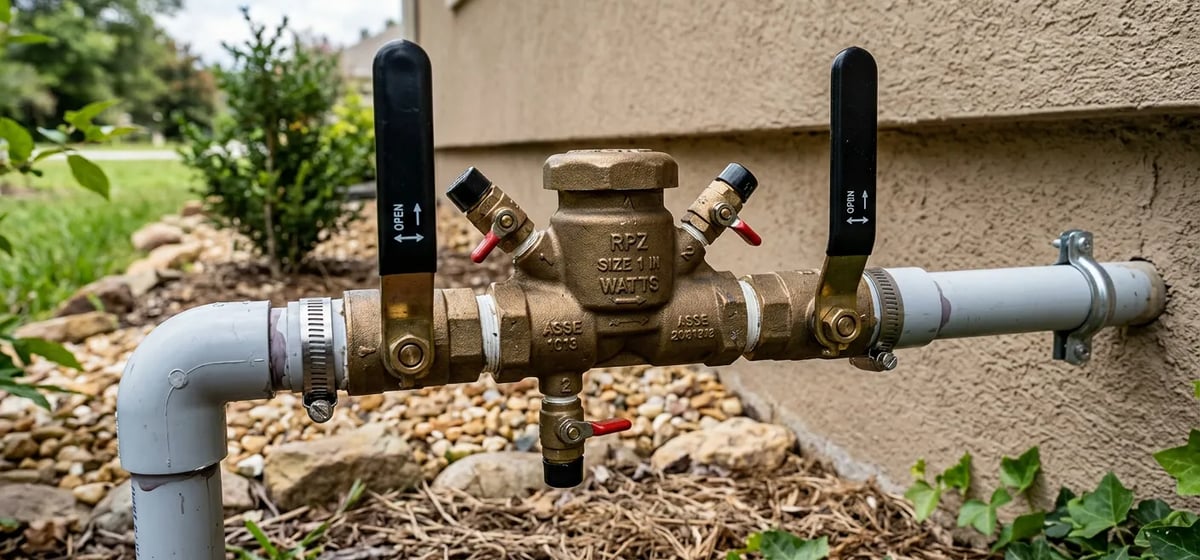
A backflow preventer is a mechanical valve that stops dirty water from flowing backward into your clean water supply. The name comes from combining the words back and flow to describe reverse water movement. Plumbers started using these devices widely in the mid twentieth century to improve public health. Today, they're a standard safety feature in almost every modern home. The valve sits on your water line and acts like a one way street for your water. Fresh water can flow into your home from the city supply, but it can't flow back out into the public pipes.
Why it matters to you
Your home relies on constant pressure to push clean water out of your faucets. Sometimes, the water pressure in the city pipes drops suddenly. A broken public water main or a fire truck opening a nearby hydrant can cause this sudden drop. When the pressure falls, the water in your home pipes can get sucked backward. Plumbers call this back siphonage.
This reverse flow can pull dirty water into your drinking supply. Imagine soapy water from a bathtub, or fertilizer from your lawn sprinklers, getting sucked into your kitchen sink. A backflow preventer stops this dangerous mix from happening. It protects your family from drinking contaminated water. It also keeps the local water grid safe from the chemicals you use around your house.
Where you will find it
You'll probably find more than one backflow preventer on your property. They sit at any point where clean water connects to something that could make it dirty.
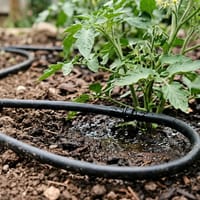
- Sprinkler systems: This is the most common spot. The valve usually sits above ground near where your irrigation connects to your main water line. It keeps yard chemicals and animal waste out of your home. You can learn more about caring for your yard in our Landscaping, Drainage & Outdoor guide.
- Main water line: Many homes have a large preventer right where the city water enters the house to protect the public grid.
- Boiler systems: If you heat your home with hot water radiators, as covered in our HVAC & Climate Control guide, a special valve keeps the rusty boiler water separate from your drinking water.
- Garden hoses: You might see a small brass attachment screwed onto your outdoor spigots. This is a basic backflow preventer called a vacuum breaker. It stops puddle water from getting sucked up through your hose.
Winterizing and protection
If you live in a cold climate, you need to protect your outdoor backflow preventers from freezing. Because these valves sit above ground, they're very vulnerable to winter weather. Water trapped inside the metal valve will expand when it freezes. This ice will crack the expensive brass housing.
Before the first hard freeze, you must drain the water out of your sprinkler system. You can blow compressed air through the pipes to clear them. Many homeowners wrap their outdoor valves in insulated pouches for extra safety during early spring or late fall cold snaps.
Maintenance and testing
These valves have internal moving parts. Over time, rubber seals wear out and metal springs lose their tension. Because they protect public health, most local governments require you to test your main backflow preventers every year. You must hire a certified plumber to do this test. The plumber hooks up special gauges to the valve to make sure it still holds pressure perfectly.
A simple annual test usually costs 75 to 150 dollars. If your valve fails the test, the plumber will need to rebuild the internal parts or swap out the whole unit. If you need to fix or replace a broken valve, expect to spend between 150 and 400 dollars. Keep in mind that these prices vary based on where you live and the size of your pipes. You can read more about hiring the right professionals in our Plumbing guide.