What Is a Baluster?
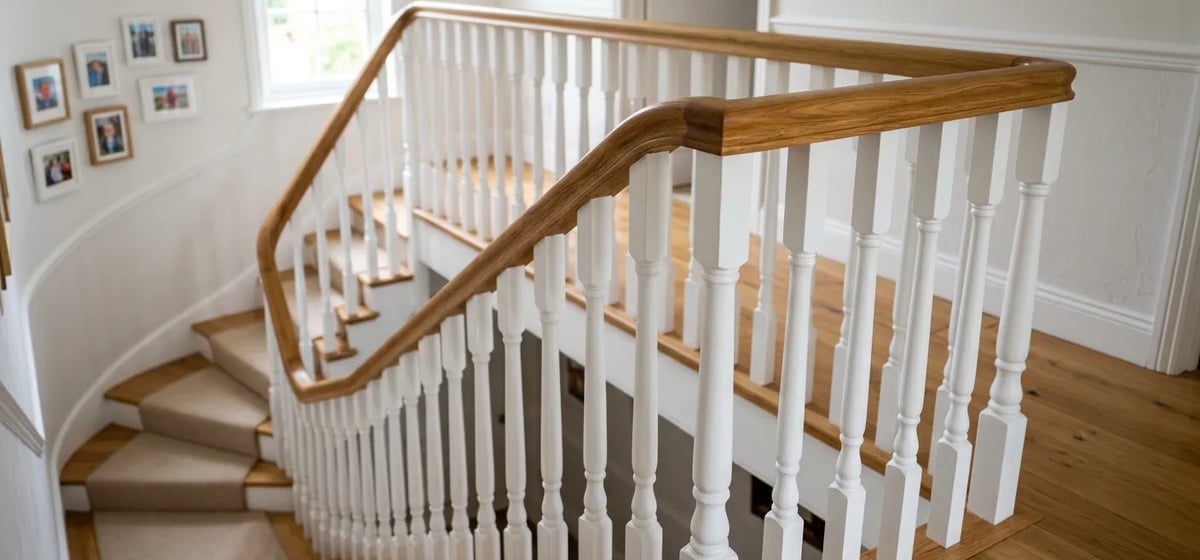
A baluster is one of the vertical posts that support the handrail on your staircase, balcony, or outdoor deck. You might also hear people call them spindles. They stand in a row to form a barrier. This barrier is called a balustrade. Balusters keep people from falling off the edge of a staircase or deck.
The word comes from the Italian word balaustra. This translates to wild pomegranate flower. Early Renaissance architects thought the curvy shape of the posts looked just like blooming flower buds. Today, you can find them in that classic curvy shape, but you can also find them in sleek, straight lines.
Why Balusters Matter for Safety
Balusters do more than just look nice. They're a critical safety feature in your home. Building codes have strict rules about how far apart these posts can be. In the United States, the rule is usually that a 4-inch sphere can't pass through the space between two balusters.
This 4-inch rule exists to protect small children and pets. If the gap is larger than 4 inches, a baby could get their head stuck or slip completely through the gap and fall. When you buy an older home, you might notice the balusters are spaced much wider apart. If you ever remodel your stairs or deck, you'll need to bring the spacing up to modern building codes.
Common Materials and Costs
You can choose from several materials when you install new balusters. The material you pick changes the look of your home and affects your budget. Costs vary wildly based on your location and the exact style you choose, but here are some common ballpark estimates for the materials alone.
| Material | Average Cost Per Baluster | Best For |
|---|---|---|
| Wood | 5 to 20 dollars | Classic indoor stairs and traditional decks. |
| Wrought Iron | 10 to 40 dollars | Elegant indoor staircases. |
| Metal Cable | 20 to 60 dollars | Modern, open-concept spaces. |
| Glass Panels | 100 to 300 dollars | Unobstructed views on high-end decks. |
Keep in mind that labor will add a lot to your final bill. If you need help pricing out a big project, check out our guide on Hiring Contractors & What Things Cost.
What to Watch For and Maintain
Over time, balusters can wear out. You should check them once a year to make sure they're still safe. Grab a few posts and give them a gentle shake. If they wiggle, the fasteners might be loose. Loose posts can't support the handrail properly. When you inspect your stairs and decks, look for these common problems:
- Loose fasteners at the base of the posts.
- Peeling paint or rust on metal parts.
- Soft spots from wood rot on outdoor decks.
Don't ignore a wobbly staircase. If several balusters are loose, the entire handrail could fail when someone leans on it.
If you have a wooden deck, pay close attention to the bottom of the posts. This is where water likes to sit. Look for soft spots or peeling paint. Wood rot can spread quickly outdoors. You can read more about caring for your outdoor spaces in our guide to Exterior: Siding, Garage & Decks.
Indoor wood balusters just need a quick wipe with a damp cloth to remove dust. Iron posts might need a fresh coat of rust-proof paint every decade if you live in a humid climate. Cable systems sometimes stretch and sag over time. You'll need to tighten the tensioners on the cables every few years to keep them safe and up to code.
Replacing Your Balusters
Many homeowners choose to update their balusters to give their home a fresh look without tearing out the whole staircase. Swapping out old wooden posts for sleek iron ones is a very popular weekend project. This is often called a stair remodel or a baluster swap.
If you decide to tackle this project yourself, you need to measure carefully. You have to cut the new posts to the exact right height so the handrail stays level. You also need special tools to secure the bottom of the posts into the stair treads. Some systems use hidden screws, while others use strong construction glue. If you aren't comfortable making precise cuts, this is a job best left to a professional carpenter. You can learn more about deciding when to do the work yourself in our guide on DIY vs. Hiring a Pro.