What Is a Burner Grate?
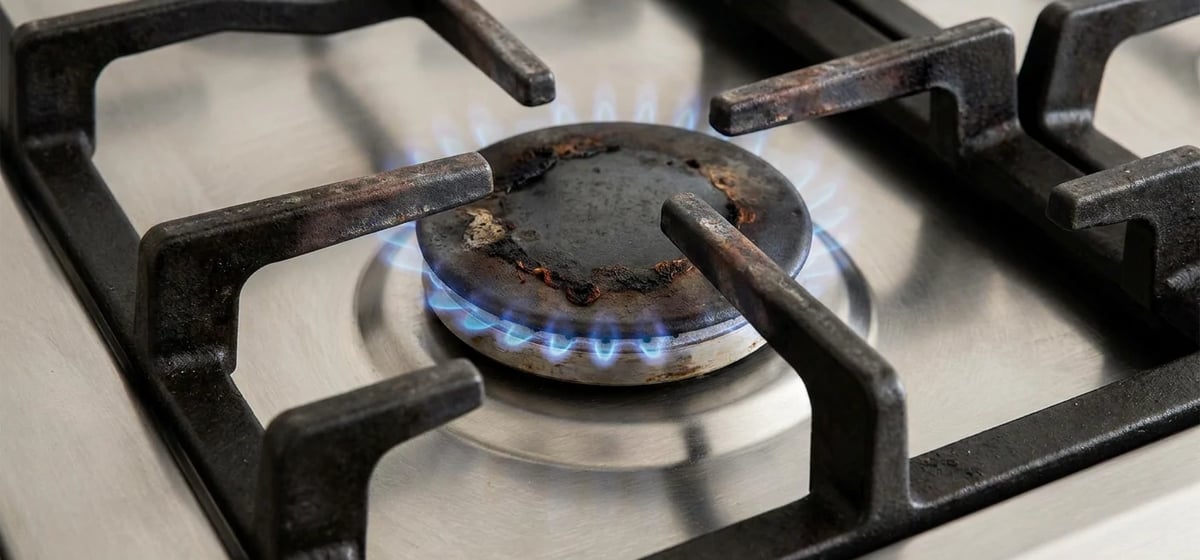
A burner grate is the heavy metal grid that sits right on top of your gas stove. It holds your pots and pans safely over the open gas flame. You'll easily lift these heavy pieces off the stove when you need to wipe away food spills. The word grate comes from the Latin word cratis, which means a hurdle or a lattice. Cast iron grates became a common feature on cooking stoves back in the 1800s when gas ranges first entered homes. Today, they are a standard part of almost all gas ranges.
Many newer gas stoves use continuous grates. This means the grates lock together to form one big flat surface across the whole stove. Continuous grates let you slide heavy pots from a hot burner to a cool burner without lifting them. This is a great feature if you cook often. Older stoves usually have individual square or round grates that sit over each separate burner.
Why Your Burner Grate Matters
The grate does more than just hold your cookware. It creates the exact right distance between the bottom of your pan and the gas flame. This gap allows oxygen to reach the fire so it burns hot and clean. A good grate also spreads the heat out evenly across the bottom of your pot. Heavy pots filled with soup or boiling water need a sturdy base so they don't tip over. If a grate warps or breaks, your pots will sit unevenly. This makes cooking frustrating and can even be dangerous if hot liquids spill.
You might also notice small rubber feet underneath the corners of your grates. These little pads stop the heavy metal from scratching the delicate enamel surface of your stovetop. If these rubber feet fall out or wear down, the grate will wobble. A wobbling grate makes a loud clanking noise and scratches your stove. You can buy replacement rubber feet for just a few dollars online and push them right into the empty holes.
Materials and Replacement Costs
Most modern burner grates are made from cast iron. Cast iron is incredibly tough and holds heat well. Some grates have a matte porcelain enamel coating to prevent rust and make them easier to clean. Steel grates are sometimes found on cheaper or older stoves, but they don't last nearly as long.
Over time, you might need to buy new grates. A heavy pot might drop and crack the cast iron. The enamel coating can chip away after years of scrubbing. If you need to replace a burner grate, expect to pay between 30 to 150 dollars per grate. Keep in mind that prices vary based on your stove brand and model. You must find the exact part number for your stove. A grate from a different brand won't fit the grooves on your stovetop. High end commercial style ranges often have massive grates that cost closer to 200 dollars each. Standard residential stoves usually cost much less. If you are updating all your kitchen Appliances, it is smart to check how heavy and durable the grates feel before you buy a new stove.
Cleaning and Maintenance
Burner grates catch splattered oil, boiling pasta water, and dropped food. If you don't clean them, that leftover food burns every time you turn on the stove. This can cause bad Smells & Odors in your kitchen.
Regular cleaning keeps your grates looking nice and stops grease fires. You should wash them during Your First Month as a Homeowner so you learn the best routine. Here are a few simple ways to keep them clean:
- Wash them in the sink with hot water and strong dish soap.
- Use a non scratch nylon brush to scrub away baked on food.
- Dry them completely with a towel right away to prevent rust.
- Avoid putting raw cast iron grates in the dishwasher because the harsh soap strips away their protective oils.
If you have raw cast iron grates without an enamel coating, you might need to season them occasionally just like a cast iron skillet. You do this by rubbing a very thin layer of cooking oil over the clean and dry metal. Then, you bake the grates in your oven for an hour. This creates a slick surface that stops rust and makes future cleaning much easier. Always check your stove manual to see exactly what material you have.