What is a building permit?
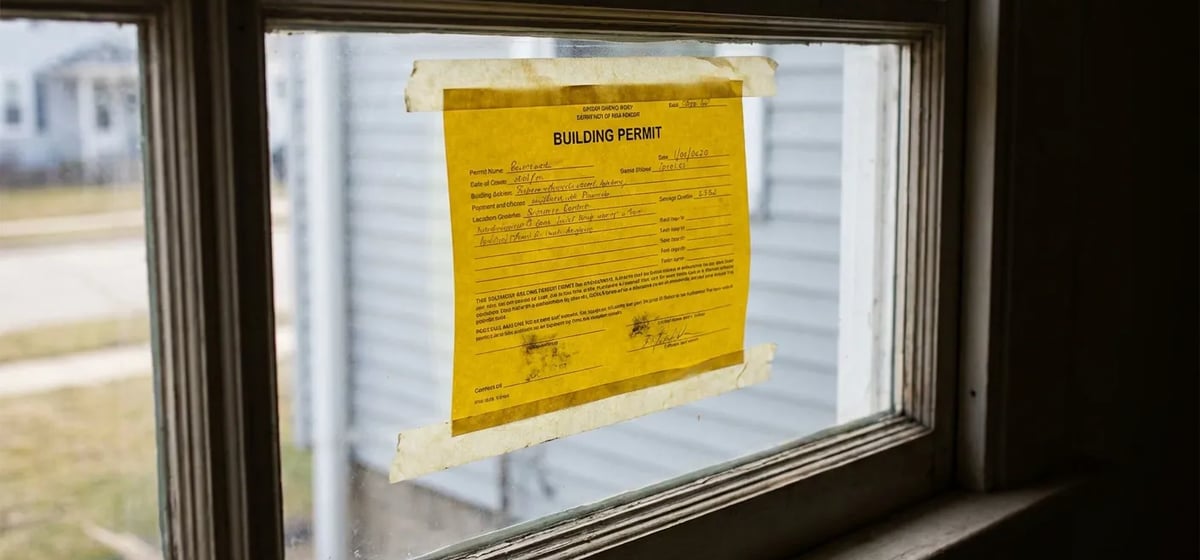
A building permit is an official piece of paper from your local city or county government. It gives you legal permission to start a construction, renovation, or remodeling project at your house. You will usually need to tape this document inside a front window or stick it on your front door. It stays there while workers are on the job. This paper shows neighbors and city inspectors that your project follows local safety rules and zoning laws. The word permit comes from the Latin word permittere. That means to let through or allow. American cities started asking for these documents in the late 1800s. They wanted to enforce early fire safety rules and stop buildings from collapsing. Today, permits make sure your home is safe for you and future owners.
When you need a permit
Every city has different rules for what requires approval. You almost always need a permit for big projects that change the structure of your home. You will also need one if you add new living space or change how a room is used. Minor updates like painting walls, putting down new carpet, or replacing a kitchen faucet usually do not need a permit.
You generally need a permit for:
- Adding a new room, finishing a basement, or converting a garage.
- Building a new deck, a tall fence, or a large backyard shed.
- Moving or knocking down load bearing walls inside your house.
- Installing a new roof or cutting new windows into a wall.
- Putting in a new electrical panel or running new wires.
- Major Plumbing work like moving a toilet, adding a shower, or replacing your main water line.
If you are ever unsure, just call your local building department. They will gladly tell you if your specific project needs an official sign off before you start swinging a hammer.
How the process works and what it costs
If you hire a professional company, they usually handle the entire permit process for you. You can learn more about working with professionals in our guide on Hiring Contractors & What Things Cost. The contractor will draw up the project plans, submit them to the city office, and pay the upfront fee. They will simply add that fee to your final bill. If you decide to do the work yourself, you must go to the city building department and apply for the permit on your own.
Once you have the permit, the city will send an inspector to your house at different stages of the project. For example, they might come look at the raw wood framing before you put up drywall. Then they return at the very end for a final inspection.
Permit costs depend heavily on where you live and how big your project is. Prices vary widely across the country. A simple permit for a small electrical job might cost 50 to 150 dollars. A permit for a major remodel or a room addition can cost 500 to 2000 dollars or more. Some cities charge a flat fee for certain jobs. Other cities charge a percentage of the total estimated project cost.
What happens if you skip the permit
Skipping the permit to save a little time or money is a very bad idea. If the city catches you doing unpermitted work, they will slap a stop work order on your front door. You will have to halt all construction immediately. The city will likely charge you double or triple the original permit fee as a penalty.
In the worst cases, the city can force you to tear down the work you just finished. For example, if you build a new deck without a permit, an inspector might make you rip it apart to prove the foundation posts are deep enough. You can learn more about rules for outdoor projects in our Exterior: Siding, Garage & Decks guide. Unpermitted work also causes huge headaches when you try to sell your house. A home inspector will easily notice the illegal upgrades. The buyer might demand that you get retroactive permits before they agree to close the deal, which can delay your sale for months.