What Is Mulch?
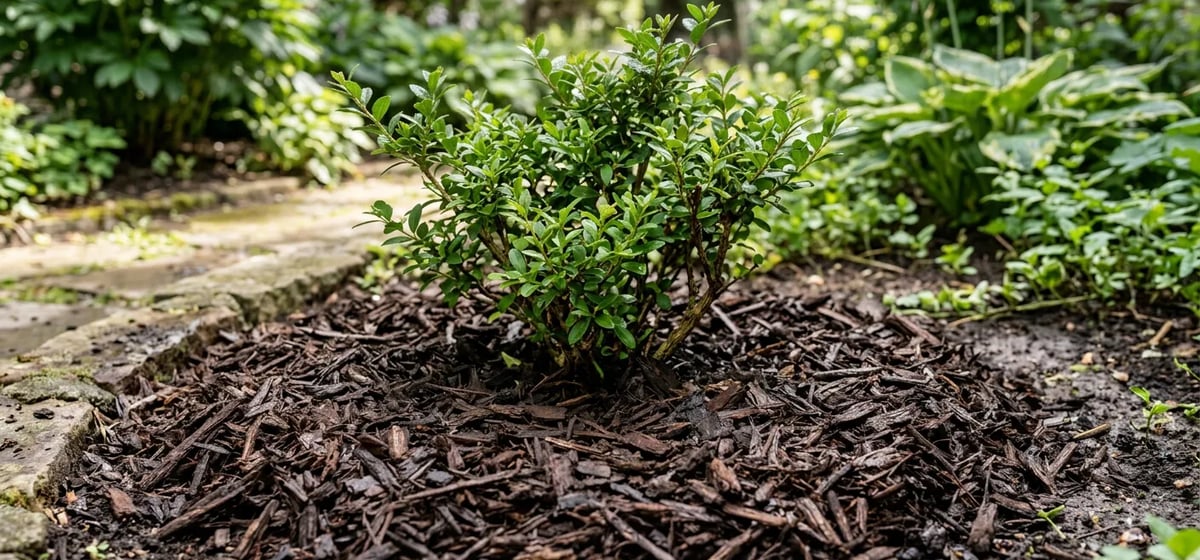
Mulch is a layer of material spread over the soil around your plants. You can buy it in bags of shredded wood, bark, or even rubber. The word comes from the Middle English "molsh", meaning soft and moist. It originally referred to decaying leaves and straw used to protect plant roots in the winter. Today, homeowners use it to keep weeds from growing, hold moisture in the dirt, and make garden beds look neat.
You'll find two main types of mulch at the hardware store. Organic mulch breaks down over time. This includes wood chips, pine needles, shredded bark, and compost. Inorganic mulch doesn't break down. This includes rubber pellets, gravel, and landscape glass. Most people use organic wood mulch because it adds nutrients to the soil as it rots. If you just bought a house, putting down fresh mulch is often one of the easiest weekend projects to make the place look great. You can read more about early projects in our guide to Your First Year as a Homeowner.
Why It Matters For Your Yard
A good layer of mulch solves several common yard problems at once. First, it acts like a sponge. It blocks the hot sun from baking the dirt, so the soil stays damp longer after you water your plants. This saves you money on your water bill.
Second, mulch smothers weeds. Weed seeds need sunlight to sprout. A thick layer of wood chips keeps the soil dark, stopping most weeds before they grow. Third, it prevents soil erosion. When heavy rain hits bare dirt, it washes the topsoil away and splashes mud all over your plants and siding. Mulch absorbs the impact of the rain and keeps the dirt exactly where it belongs. Finally, as wood or leaf mulch breaks down, it feeds the plants and worms in your garden. For a healthy yard, this is a very easy way to improve your soil over time.
How To Use It Safely
You want to spread mulch about two to three inches deep across your garden beds. If you put down too little, weeds will push right through. If you put down too much, plant roots will suffocate and water won't reach the dirt.
When you put mulch around a tree, don't pile it up against the trunk like a volcano. This traps moisture against the bark and rots the tree. Instead, spread it out like a flat donut. Leave a gap of bare dirt right next to the tree trunk. If you are planning a big yard project, check out our guide to Landscaping, Drainage & Outdoor for more tips on shaping your flower beds. You also want to monitor wet mulch if you have a history of bugs, as you might need to coordinate with your Pest Control plan.
What It Costs
You can buy mulch by the bag or by the cubic yard. A cubic yard is a big pile that a truck dumps in your driveway. Buying in bulk is much cheaper if you have a large yard.
- Bags: You will pay 3 to 6 dollars per bag at a home improvement store. A bag covers about eight square feet.
- Bulk: Delivery by the cubic yard costs 30 to 50 dollars per yard, plus a delivery fee of 50 to 100 dollars.
- Installation: If you hire a landscaping crew to deliver and spread it for you, expect to pay 70 to 150 dollars per cubic yard total.
Keep in mind that prices vary depending on where you live and the type of wood you choose. Cedar mulch costs a bit more because it naturally repels some bugs. Dyed mulch, which comes in bright red or dark black, also costs slightly more than plain brown wood chips. Because organic mulch rots away, you will need to add a fresh layer every one to two years. Some cities even offer free mulch to residents. They chip up branches from city trees and let you shovel it into your own truck. This free mulch is great, but watch out for trash or weed seeds mixed in.