What is a caulking gun?
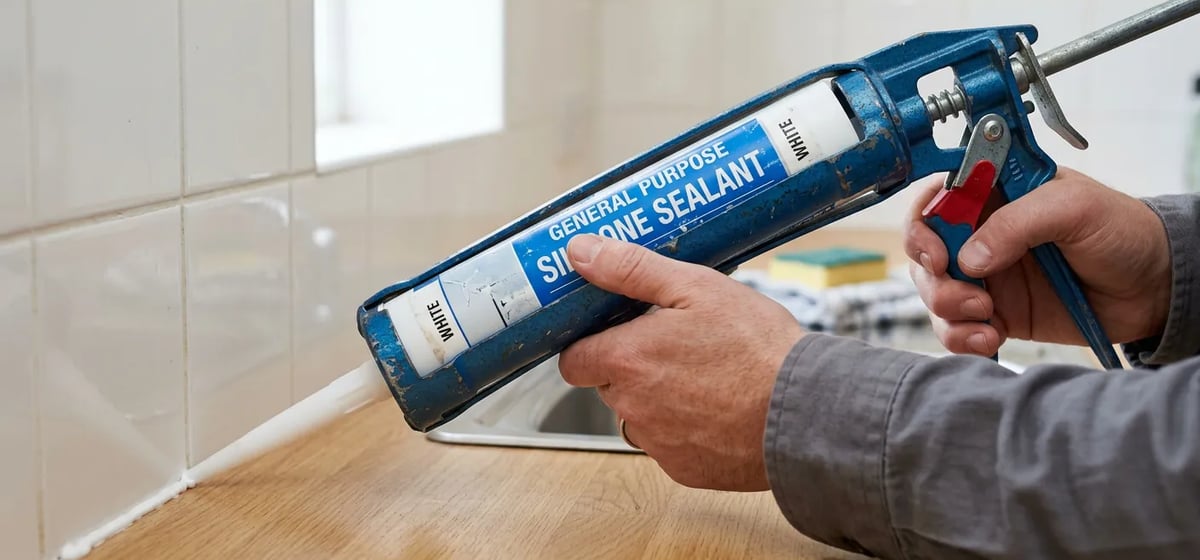
A caulking gun is a hand tool that holds a tube of sealant or adhesive. It has a metal or plastic frame with a trigger. When you squeeze that trigger, a metal rod pushes a plunger into the back of the tube. This forces the sealant out of the nozzle at the front. You use it to fill cracks and seal gaps around your house. The word caulk actually comes from the Latin word calcare, which means to tread or press in. The modern trigger mechanism you see today was patented way back in 1893 by Theodore Witte.
Why you need one
Every home gets cracks and gaps over time. Houses settle, and materials shrink or expand with the weather. A caulking gun helps you seal those gaps to block water, bugs, and drafts. You will use it to seal joints around bathtubs, sinks, and baseboards. Keeping water out of your walls is a big part of basic Plumbing maintenance. You will also use it outside to seal gaps around exterior trim. This stops cold air from sneaking in through your Windows & Doors, which helps lower your heating bills.
Types and costs
You can find a few different styles of caulking guns at any hardware store. Costs range from cheap plastic models to heavy duty battery powered tools. Keep in mind that local retail prices vary.
- Ratchet rod guns: These are the cheapest option. They have teeth on the push rod. You usually pay $5 to $10 for one. They work fine, but the caulk tends to keep oozing after you let go of the trigger.
- Smooth rod dripless guns: These cost $10 to $25. They use a spring plate instead of teeth. When you let go of the trigger, the pressure releases instantly. This stops the caulk from making a mess.
- Battery powered guns: These cost $50 to $150 or more. They push the caulk out at a steady speed with an electric motor. Professionals use these for huge jobs, but they are overkill for most basic home repairs.
How to use it right
Using a caulking gun takes a little practice. First, you need to cut the tip of the caulk tube at a 45 degree angle. Make a small cut first. You can always make the hole bigger, but you cannot make it smaller. Many caulking guns have a small hole in the handle that acts as a built in tip cutter. Next, you have to break the foil seal inside the tube. Most guns have a long metal wire swinging from the barrel just for this job. Push the wire down the nozzle a few times to puncture the seal.
Hold the gun at a 45 degree angle to the crack. Squeeze the trigger slowly and move the gun along the gap at a steady pace. You want the caulk to bridge the gap completely. If you move too fast, the bead will be too thin. If you move too slow, the caulk will glob up and make a mess.
What to watch for
The biggest mistake new homeowners make is forgetting to release the pressure. If you use a basic ratchet gun, you have to press the thumb release plate at the back of the tool when you stop moving. If you do not press it, the rod keeps pushing and caulk will spill all over your floor. You also need to pick the right caulk for the job. Use pure silicone for wet areas like bathrooms. Use paintable acrylic latex for dry indoor areas like baseboards and window trim. Your Interior: Paint, Drywall & Trim projects look much better when you fill the gaps before you paint.
Another thing to watch for is storing leftover caulk. If you leave a half empty tube in the gun, the tip will dry out and harden. To save it for later, squeeze a tiny bit of caulk out so it forms a little ball on the tip. Let that ball dry. It creates a natural plug. Next time you need the caulking gun, just pull that dried plug out and the caulk inside will still be fresh. You can also buy cheap rubber caps at the hardware store to cover the nozzle.
Finally, keep the metal rod on your caulking gun clean. If caulk dries on the push rod, it will jam the mechanism. Wipe the tool down with a rag before you put it away in your toolbox.