What Wood Siding Is
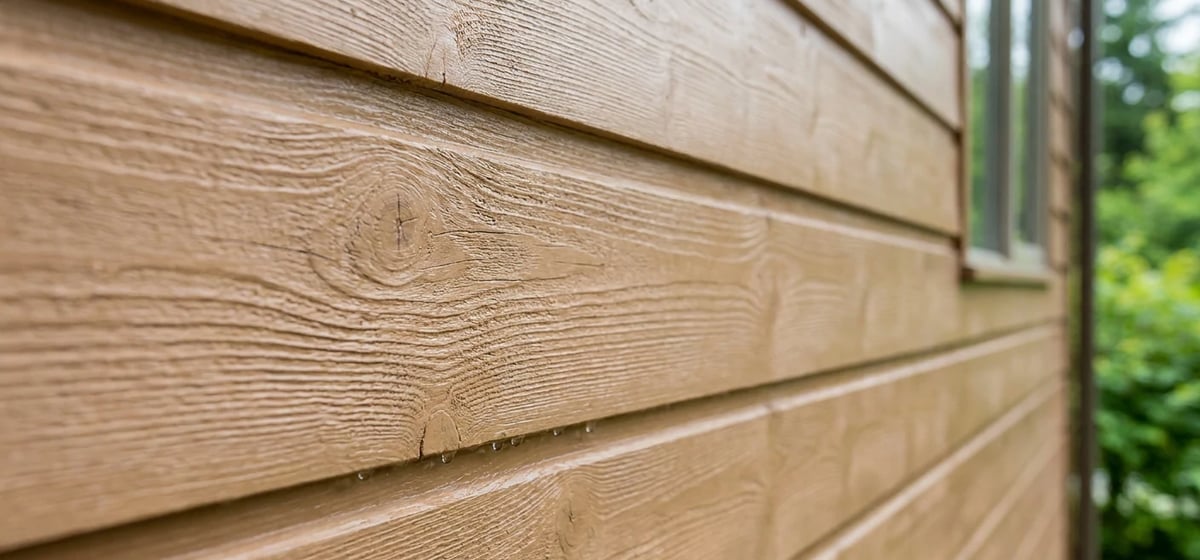
Wood siding is the classic outer layer of many American homes. Builders cut real wood into boards or shingles to cover your exterior walls. This layer blocks wind, rain, and snow from getting inside. Wood naturally insulates your home better than thin vinyl. It helps keep your house cooler in the summer and warmer in the winter. It also breathes well, which lets trapped moisture escape from your walls.
You'll usually see woods like cedar, pine, or redwood. Cedar and redwood are very popular because they naturally fight off rot and bugs. Pine is cheaper but needs more care. You can find wood siding in a few common styles:
- Lap siding: Long boards that overlap each other horizontally to shed water.
- Board and batten: Wide vertical boards with narrow wood strips covering the seams.
- Shingles or shakes: Small wooden pieces that overlap to give a rustic, textured look.
Why It Matters To You
Good siding does more than just look nice. It acts as the first line of defense for your house. If your siding fails, water can reach the wood framing underneath. This causes massive damage over time. Wood siding also adds major curb appeal. Many buyers love the rich, warm look of real wood. You can easily change its color with a fresh coat of paint or stain.
If you want to learn more about keeping your outer walls in great shape, check out our guide on Exterior: Siding, Garage & Decks. Wood is also easy to repair. If a stray baseball cracks a vinyl panel, you might have to replace a huge section. With wood, a carpenter can just cut out the bad piece and drop in a new one.
What To Watch For
Real wood requires real work. Unlike vinyl or brick, wood can rot if it stays wet. You need to inspect your siding every year. Walk around your house and look for peeling paint or dark stains. Press gently on the wood near the ground or under your gutters. If the wood feels soft or spongy, you have rot.
You also need to watch out for bugs. Termites and carpenter bees love to chew on untreated wood. Woodpeckers might also drill holes in your siding to find bugs. If you spot tiny holes or piles of sawdust, you should read our Pest Control guide to stop the damage early.
Maintenance And Costs
To keep wood siding alive, you must seal it from the weather. You need to repaint or restain your home every 3 to 7 years. Sun and rain will break down the finish over time. If you wait too long, the wood will crack and warp. You should also wash your siding once a year. Use a garden hose and a soft brush to remove dirt and mold. Don't use a high pressure washer. A strong blast of water can strip the paint right off the wood and push moisture deep into the boards.
Replacing wood siding isn't cheap. For a typical home, new wood siding costs between 10,000 and 25,000 dollars. The exact price depends on the type of wood and the size of your house. Local labor rates also change the final bill. If you only need to fix a few rotten boards, a handyman might charge 300 to 800 dollars. Prices and ranges vary by region, so always get a few quotes. You can read more about typical job prices in our guide on What Home Repairs Cost.