What Is Fiber Cement?
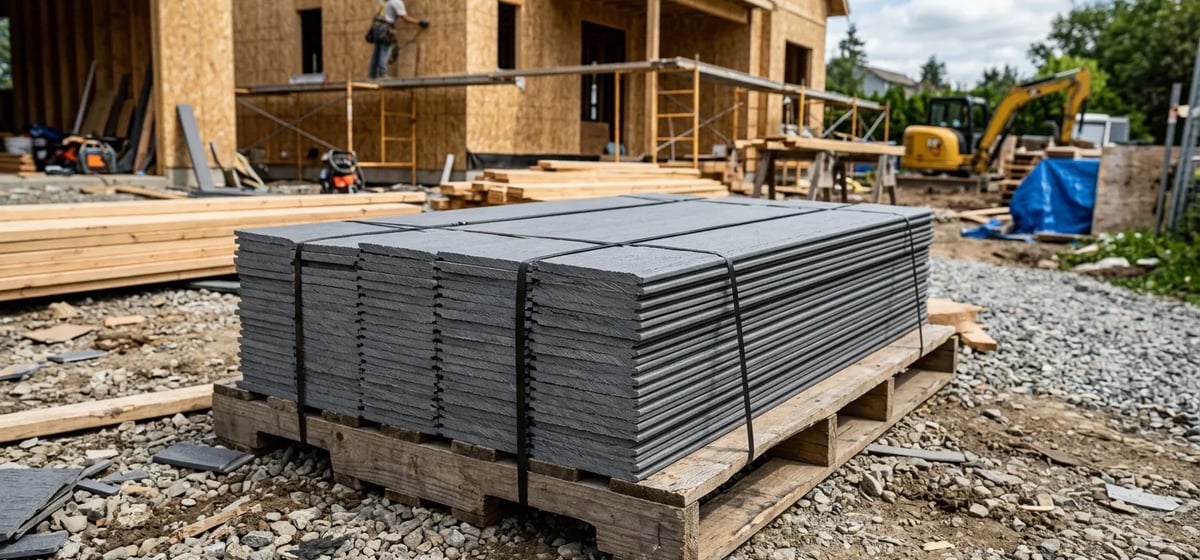
Fiber cement is a tough building material used mostly for the outside of your house. The name simply lists the two main ingredients that give the material its strength. Manufacturers make it by mixing sand, Portland cement, water, and wood pulp. They press this wet mixture into long boards, large flat panels, or small shingles. Finally, they cure the pieces in a high heat oven. An Austrian inventor named Ludwig Hatschek patented the first version of this material in 1901. Today, factories stamp these boards with deep wood grain patterns so they look exactly like real cedar or pine siding.
Why It Matters to You
If you are looking to update your Exterior: Siding, Garage & Decks, fiber cement is one of the smartest choices you can make. It solves almost every problem that plagues traditional wood siding:
- Bugs and termites cannot eat it.
- Woodpeckers cannot peck holes in it.
- It will never rot or swell, even if you live in a very wet and rainy climate.
It also handles temperature changes perfectly. It will not crack during freezing winters or melt during harsh hot summers. Best of all, it will not catch fire. Many insurance companies will actually lower your premium if you install fiber cement siding because it protects your home so well from wildfires.
What It Costs
Fiber cement costs more than standard vinyl siding but usually less than real wood, stone, or brick. For the materials alone, you can expect to pay 3 to 6 dollars per square foot. When you add professional installation, the total price usually runs 5 to 14 dollars per square foot. Keep in mind that prices always vary based on where you live, the shape of your house, and current material costs. You should always get multiple bids when Hiring Contractors & What Things Cost.
The installation costs are higher because this material is extremely heavy. A single 12 foot board can weigh over 20 pounds. It takes a larger crew to safely lift the boards, cut them, and hold them in place while nailing them to your house framing.
Maintenance and Care
Fiber cement is very low maintenance, but it is not entirely maintenance free. The material holds paint much longer than real wood because it does not expand and contract as much. You will typically only need to repaint your house every 10 to 15 years. You should also walk around your house once a year to check the caulking. Look closely where the siding meets your windows, doors, and corners. If the caulk cracks or peels away, water can get behind the boards and damage your walls.
You can easily wash dirt and pollen off the siding with a regular garden hose and a soft brush. Do not use a high pressure washer. The intense water stream can strip the paint right off the boards and force water into the seams.
Important DIY Warnings
If you plan to fix a broken piece of siding yourself, you need to handle the material carefully. The boards are very brittle before they are nailed securely to the wall. If you pick up a long board and hold it flat, it will snap right in half under its own weight. You must always carry it on its edge.