What is a Closing Disclosure?
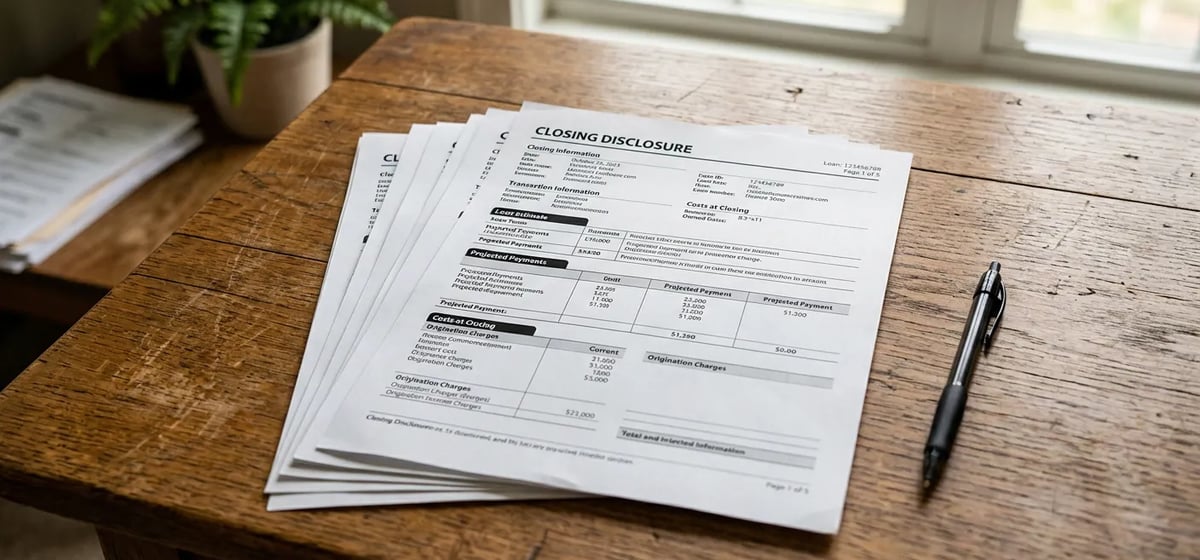
A closing disclosure is a standard five page form you receive right before you buy or refinance a house. It lists your final loan terms, your exact monthly payments, and all the fees you must pay to close the deal. Lenders must give you this paper three full business days before you sign your final documents. This strict rule ensures you aren't surprised by hidden fees at the very last minute. The US government created this specific form in 2015 to replace older, confusing loan papers. The Consumer Financial Protection Bureau designed it to make home loans much easier for buyers to understand. It breaks down exactly how much money you need to bring to the closing table. The form uses clear language and simple charts. You don't need a finance degree to read it.
Why This Document Matters to You
Buying a house is one of the most expensive things you will ever do. You deal with many different fees from the bank, the title company, the appraiser, and the local government. The closing disclosure puts all these numbers in one single place. It lets you compare your final costs to the original loan estimate you got when you first applied for the loan. If the fees jump up, you have three days to ask the lender why. This waiting period helps protect you from bait and switch tactics. The form also highlights your exact interest rate. It confirms if your loan has a penalty for paying it off early. It even tells you if your loan balance can ever increase. Knowing all these financial details helps you manage your Property Taxes & Home Finances for years to come. You will know exactly what you owe every single month.
Where You Run Into It
You will see this document when you are in the final steps of Buying a Home. The bank or mortgage broker usually sends it to you electronically through a secure portal. Sometimes they send it by regular mail. You must officially acknowledge that you received it. The three day clock starts ticking the moment you confirm you have it. You then wait three full business days before you can sit down with the notary to sign the giant stack of final papers. You will also see this exact same form if you ever decide to refinance your current house or take out certain types of second Mortgages. The layout and the pages are always the same. It doesn't matter which bank or credit union you use. This consistency helps you feel more confident about the entire process.
What to Watch For
You need to read this document very carefully as soon as you get it. Don't just glance at the final number. Compare it side by side with your initial loan estimate. Look closely at the cash to close amount. This is the total money you must wire to the title company or bring as a certified bank check. Closing costs usually run from 2 to 5 percent of the total loan amount, though ranges vary based on your location and loan type. For a 300,000 dollar house, expect to pay 6,000 to 15,000 dollars in total closing fees.
When reviewing the form, always check these specific details:
- The spelling of your legal name and the exact property address.
- The loan term to make sure it matches the 15 or 30 years you agreed on.
- Your exact interest rate and your total monthly payment amount.
- The escrow section showing money collected upfront for taxes and insurance.
If anything looks wrong or if a fee seems too high, call your loan officer immediately. They can fix mistakes and issue a new form before your closing day.