What is a cool roof?
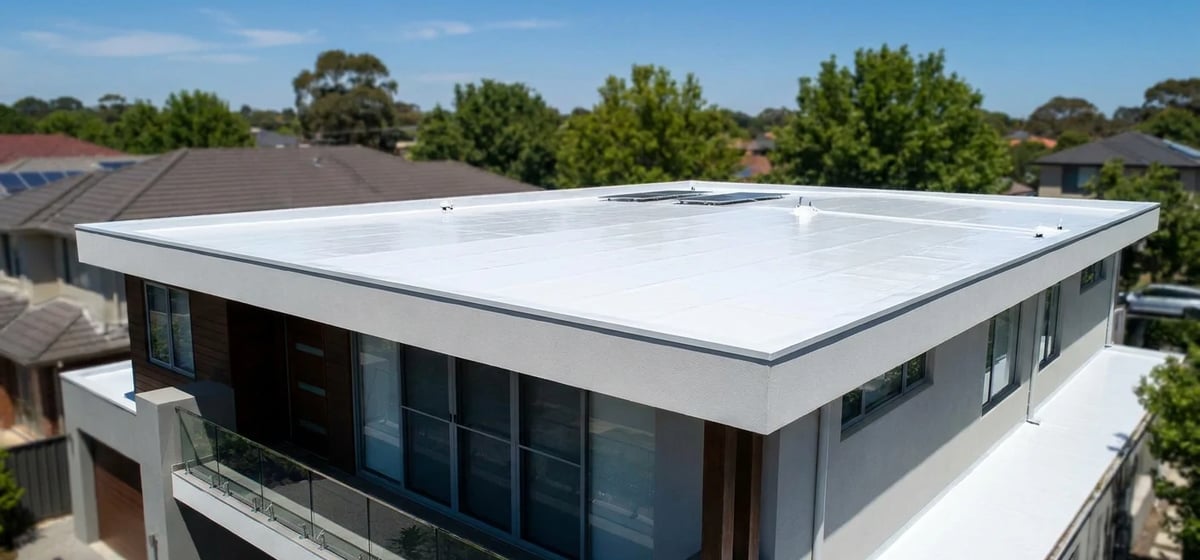
A cool roof reflects sunlight and absorbs less heat than a standard roof. This design keeps your home cooler in the summer and lowers your air conditioning bills. You can create this surface using special reflective paint, bright white tiles, or light colored metal. The term grew popular in the 1990s when builders started testing reflective materials to save energy in hot climates. The word cool comes from the Old English word col, which describes a slight coldness.
Standard dark roofs absorb the suns energy and get very hot. A dark asphalt roof can reach 150 to 190 degrees on a hot summer day. A cool roof stays much closer to the actual outside air temperature. It might only reach 100 to 120 degrees under the exact same sun. This huge drop in temperature means much less heat transfers down into your attic and your living spaces.
Why it matters to you
The biggest reason to want a cool roof is comfort and savings. When your attic stays cooler, your air conditioner does not have to work nearly as hard. This lowers your monthly power bills during the hottest months of the year. It also extends the life of your HVAC & Climate Control system because the equipment runs for shorter periods.
Cool roofs also last longer than traditional dark roofs. Extreme heat damages standard roofing materials over time. The daily cycle of heating up and cooling down causes shingles to dry out, crack, and curl at the edges. Because a cool roof stays cooler, the materials do not break down as fast. This saves you money by pushing your next big roof replacement further into the future.
Types and costs
You can add cool roof features to an existing roof or install a brand new one. Costs depend on your home size, the materials you choose, and the contractor you hire. Prices always vary based on where you live, but here are some typical ballpark estimates.
- Reflective coatings: You can paint a special reflective coating over your current roof. This is the cheapest option. It usually costs 1,000 to 3,000 dollars for an average home.
- Cool asphalt shingles: These look like normal shingles but have special reflective granules mixed in. A new roof with these shingles costs 7,000 to 15,000 dollars.
- Metal roofs: Light colored metal or unpainted metal is naturally reflective. A new metal roof costs 10,000 to 25,000 dollars.
- Clay or concrete tiles: Bright white tiles are very popular in hot climates. These are heavy and expensive, costing 15,000 to 30,000 dollars.
Before you start any Roofing project, check with your local utility company and your state energy office. They often offer rebates or free energy audits to help lower your costs. Keep in mind that federal home energy tax credits ended on December 31, 2025. You cannot claim federal tax credits for any work installed in 2026 or later, so you must rely on local state and utility programs instead.
What to watch for
Cool roofs are great for hot climates like Florida, Texas, or Arizona. They might not be the best choice if you live in a very cold place like Maine or Minnesota. In cold climates, you actually want your roof to absorb winter sunlight to help heat your home. A cool roof reflects that helpful winter sun, which can slightly increase your winter heating bills. This is known as the winter heating penalty.
You also need to keep a cool roof clean for it to work right. Dirt, dust, algae, and mold will cover the reflective surface over time. If your bright roof turns dark or green from grime, it will stop reflecting the sun. You will need to hire a pro to gently wash it every few years to keep it working well.