What It Is
A cubic foot is a standard way to measure the volume of a space. Volume simply means how much room is inside an object. You can picture a cubic foot as a cardboard box that is exactly one foot long, one foot wide, and one foot high. It holds enough space to fit about six standard basketballs or almost seven and a half gallons of water.
Many new homeowners get confused between square feet and cubic feet. Square feet only measure a flat surface, like the floor of a room. Cubic feet measure the entire empty space inside the room, from the floor all the way up to the ceiling. You use square feet to buy carpet, but you use cubic feet to figure out how powerful your heater needs to be to warm up the air inside that room.
You'll see this measurement all over your house and yard. Manufacturers use it to tell you how much food a refrigerator holds. Landscapers use it to figure out how much dirt you need for a garden bed. It helps you understand exactly how much stuff fits into a specific three dimensional area.
Where You Run Into It
You'll run into cubic feet in several common places around your property. Here are the most frequent ways you'll use this measurement as a homeowner.
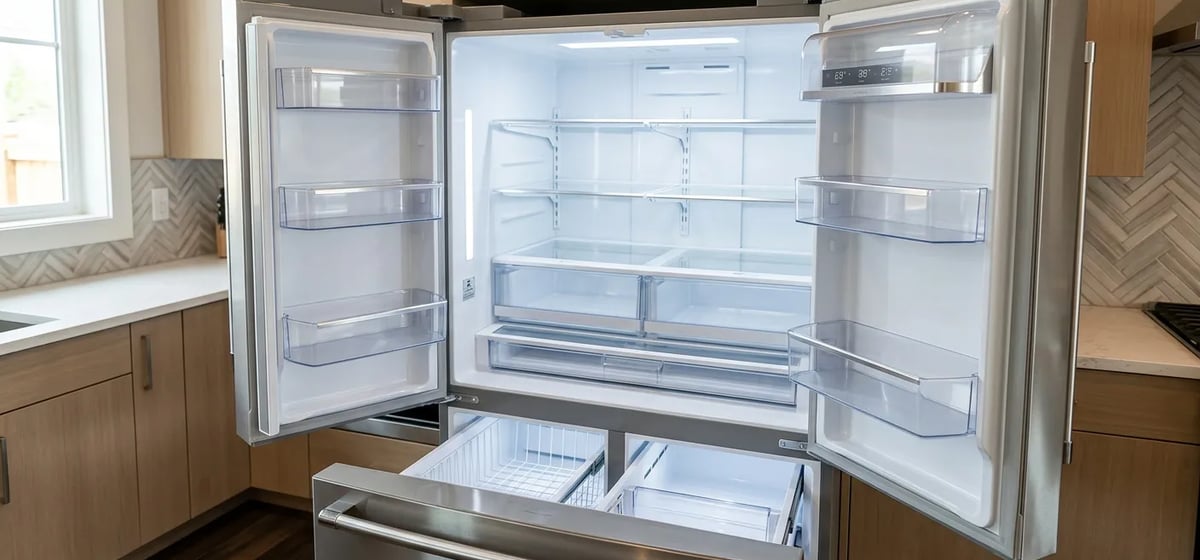
- Buying appliances: When you shop for a new refrigerator, the label lists the capacity in cubic feet. A standard family fridge usually holds 20 to 25 cubic feet of groceries. You can learn more about picking the right sizes in our guide to Appliances.
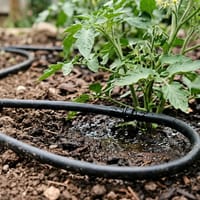
- Doing yard work: Home improvement stores sell mulch, potting soil, and gravel in bags measured by the cubic foot. A typical bag of mulch holds two cubic feet. If you plan a big project, check out our guide to Landscaping, Drainage & Outdoor to see if buying in bulk makes more sense.
- Heating and cooling: Your air conditioner and bathroom exhaust fans move air. Pros measure this airflow in cubic feet per minute. A standard bathroom fan might move 50 to 100 cubic feet of air every minute. You can read more about airflow in our guide to HVAC & Climate Control.
- Paying utility bills: Many city water departments bill you by the cubic foot. They often use a unit called a CCF, which stands for one hundred cubic feet of water.
How To Calculate It
You don't need to be a math genius to figure out cubic feet. You just need a tape measure and a calculator. You simply multiply the length by the width by the height of the space. Make sure you measure everything in feet first.
Let's say you want to build a raised garden bed. You build a wooden box that is four feet long, four feet wide, and one foot tall. You multiply four times four times one. That equals 16 cubic feet. Now you know exactly how many bags of soil you need to buy to fill the box to the top.
What Things Cost
Prices for materials sold by the cubic foot depend heavily on what you buy. Here are some real world estimates to help you budget. Keep in mind that ranges vary based on where you live and the season.
- Bagged mulch: Expect to pay 3 to 6 dollars for a two cubic foot bag. Premium dyed wood chips cost more than basic pine bark.
- Potting soil: A one and a half cubic foot bag of good garden soil usually costs 8 to 12 dollars.
- Water usage: If your water utility bills by the CCF, you might pay 3 to 8 dollars per one hundred cubic feet of water used.
- Moving containers: If you rent a portable storage pod during a renovation, companies often price them based on total volume. You might pay 150 to 300 dollars a month for a container that holds about 300 cubic feet of furniture.
Understanding this simple measurement saves you money. It keeps you from buying too much dirt for your yard or renting a dumpster that is way too big for your project.