What a cubic yard is
A cubic yard is a block of space that measures three feet wide, three feet long, and three feet deep. It is the standard unit of volume used to measure bulk landscaping materials like dirt, mulch, and gravel. If you multiply those three dimensions together, you get 27 cubic feet. This is exactly how much space is inside one cubic yard.
To picture this in the real world, think about a standard full size pickup truck. One cubic yard of material will usually fill the entire bed of that truck right up to the edges. The term itself combines the geometric shape of a cube with the traditional English yard measurement. Landscapers, nurseries, and concrete suppliers adopted this standard volume measurement a long time ago to price and schedule bulk deliveries.
Why this measurement matters to you
When you go to a big box hardware store, you usually buy mulch or potting soil in plastic bags. Those bags are measured in cubic feet. A standard bag of mulch holds two cubic feet. Since a cubic yard is 27 cubic feet, it takes about 14 bags of store bought mulch to equal a single cubic yard.
Buying materials by the bag is fine for tiny projects. But if you want to cover a whole garden bed or build a patio, buying bags gets very expensive very fast. You'll also have to haul away a mountain of empty plastic bags. Ordering materials in bulk by the yard saves you a lot of money. You'll run into this measurement constantly when planning projects for your Landscaping, Drainage & Outdoor spaces.
Common materials and costs
Prices depend heavily on where you live and the exact product you choose. These are real US ballpark costs, but keep in mind that local ranges vary.
- Mulch: Expect to pay $30 to $50 per cubic yard for basic hardwood mulch. Premium dyed mulches or cedar will cost more.
- Topsoil: Basic fill dirt or screened topsoil runs $20 to $40 per cubic yard. Garden blends mixed with compost cost more.
- Gravel: Crushed stone or river rock usually costs $40 to $70 per cubic yard.
- Concrete: Ready mix concrete delivered by a truck costs $120 to $150 per cubic yard.
You also need to budget for delivery. Most local supply yards charge a flat delivery fee of $50 to $150 per truckload. If you are comparing quotes for a big backyard makeover, knowing these baseline numbers helps you understand Hiring Contractors & What Things Cost.
How to figure out what you need
You don't need to be a math genius to calculate your material needs. You just need a tape measure and a calculator.
First, measure the length and width of your project area in feet. Multiply the length by the width to get your total square footage. Next, decide how deep you want the material to be. For mulch, most people want a depth of three inches. Divide that depth in inches by 12 to convert it into feet. Three inches divided by 12 equals 0.25 feet.
Now, multiply your square footage by your depth in feet. This gives you the total cubic feet. Finally, divide that number by 27. The result is the exact number of cubic yards you need to order.
Delivery logistics and hard work
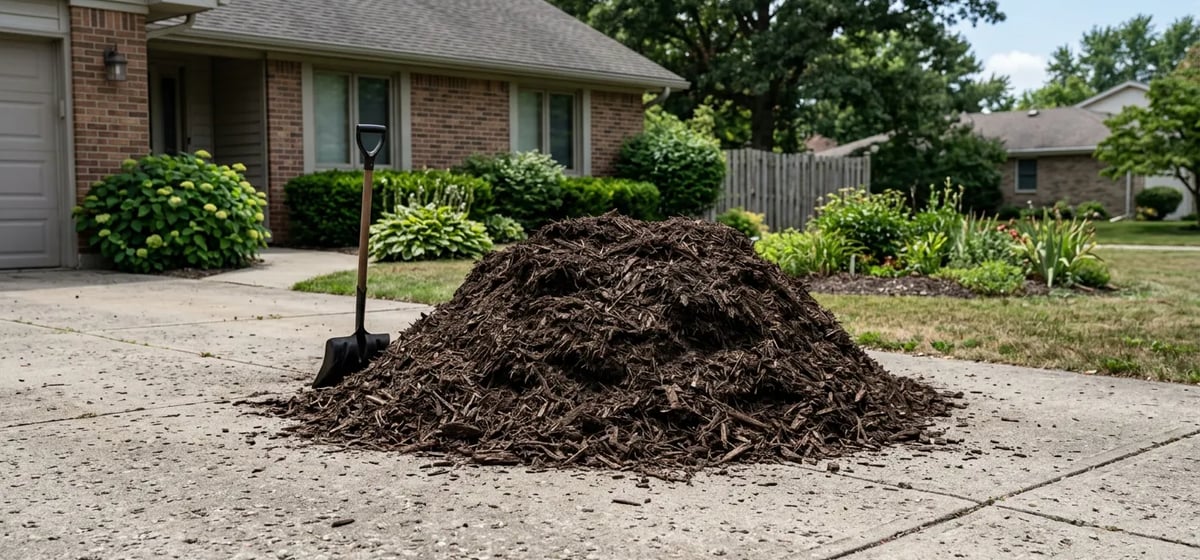
When you order bulk materials, a large dump truck will arrive at your house. The driver will usually dump the load right on your driveway. You should always lay down a large heavy duty tarp first. This makes cleanup much easier and stops dirt or dyed mulch from staining your concrete.
You also need to think about how you'll move the material from your driveway to your backyard. Moving three cubic yards of wet dirt with a shovel and a wheelbarrow is exhausting work. One cubic yard of topsoil can weigh over 2,000 pounds. If you have a bad back or a very steep yard, you might want to read up on DIY vs. Hiring a Pro. Sometimes paying a local landscaping crew to deliver and spread the material is worth every single penny.