What is a dormer?
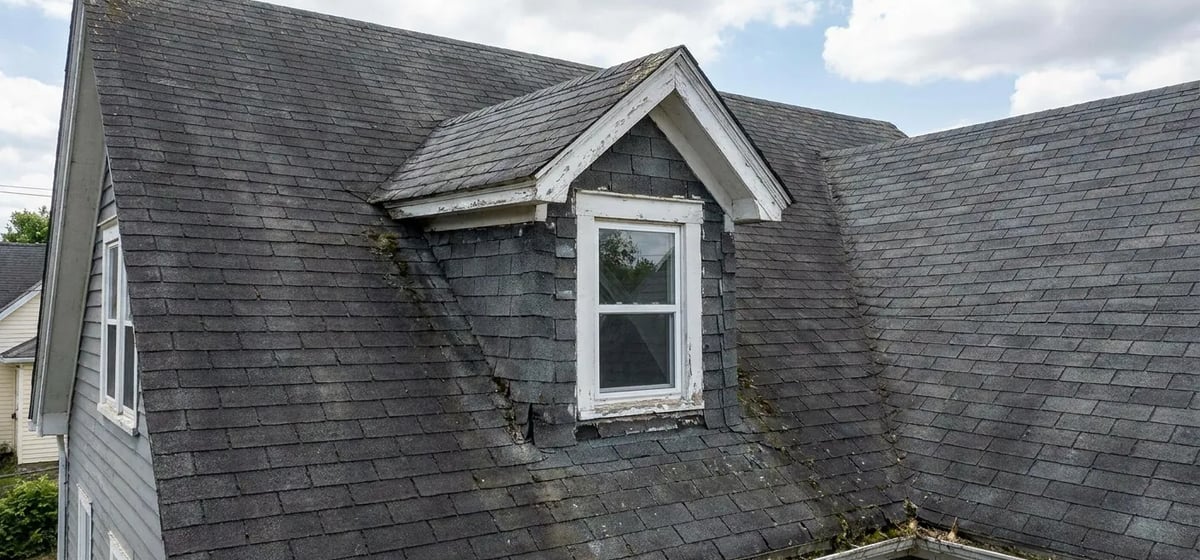
A dormer is a small roofed structure with a window that sticks outward from your main sloping roof. It creates extra headroom and brings natural light into a dark attic. You'll often see these architectural features on older historic homes and modern Cape Cod houses. The word comes from the French word "dormir" which means to sleep. Builders originally created these windowed spaces to add light and air to small attic bedrooms.
Why dormers matter to you
If you have an unfinished attic, a dormer can turn a cramped storage space into a usable room. The main sloping roof of a house usually cuts off your headroom. Pushing a section of the roof outward gives you space to stand up straight. It also gives you a place to install a window. This brings in natural sunlight and fresh air.
Dormers also break up a large, flat roofline. This adds character and curb appeal to the front of your house. When you upgrade your home exterior, adding a dormer can completely change how your house looks from the street. They are a popular choice when homeowners want to add a new bedroom, a playroom, or a quiet home office without the massive expense of building a full second story.
Common types of dormers
You'll see a few different styles of dormers on US homes. The design usually matches the main roof of the house.
- Gable dormer: This is the most common type. It has a simple peaked roof that looks like a tiny house sitting on your main roof. It sheds water easily.
- Shed dormer: This style features a single flat roof that slopes down in the same direction as the main roof. Shed dormers are usually wider and add the most interior floor space.
- Hipped dormer: Similar to a gable, but the roof slopes back on three sides instead of coming to a point. This style holds up very well in high winds.
- Eyebrow dormer: A small, curved roof that looks like a gentle wave pushing up from the shingles. Builders use these mostly for unique looks and a little extra sunlight.
What to watch for
Dormers are beautiful and useful, but they create weak points in your roof. Every place where the dormer meets the main roof requires special metal pieces called flashing. If this flashing gets old, rusts, or bends, water can easily leak into your house.
You also need to pay attention to your Windows & Doors when you have a dormer. Since the window sits high up and is fully exposed to harsh weather, the caulking and weather seals can wear out faster than your ground floor windows. Drafts are another common problem. The walls of a dormer are thin. If they lack proper insulation, the room will feel freezing in the winter and sweltering in the summer.
Costs to add or repair
Building a brand new dormer is a major construction project. You have to cut a large hole in your roof, reframe the wood, and add new siding, trim, and shingles. For a standard gable dormer, expect to pay 4,000 to 12,000 dollars. A large shed dormer that spans the whole back of a house can cost 20,000 to 50,000 dollars or more. Keep in mind that prices vary widely based on your location, labor rates, and the materials you choose.
If you just need to repair an existing dormer, the costs are much lower. Replacing the metal flashing around a leaky dormer usually costs 300 to 800 dollars. If the wood framing is rotting from a long term leak, a roofer might charge 1,000 to 2,500 dollars to tear out the bad wood and seal it back up. When you face these repairs, it helps to read up on Roofing basics so you know what to ask your contractor. You can also review our guide on Hiring Contractors & What Things Cost to help you compare bids effectively.