What It Is
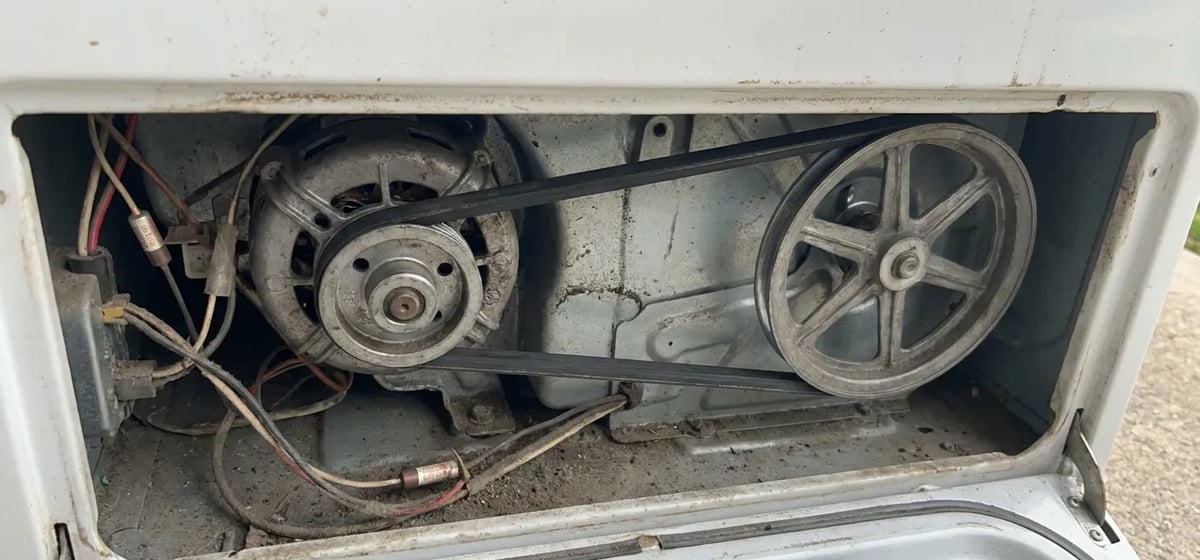
A drive belt is a thick rubber band that makes the moving parts in your household machines work. It connects an electric motor to a pulley system. When the motor turns, the belt catches the pulley and spins the drum in your clothes dryer. It also turns the agitator in your washing machine. You can think of it as the muscle that transfers power from the motor to the rest of the machine.
These belts aren't just simple rubber loops. Manufacturers build them to handle extreme heat and constant stretching. Most belts have a flat side and a ribbed side. The ribbed side grips the grooves on the motor pulley so the belt doesn't slip when the motor spins fast. Inside the rubber, you'll often find tough nylon or polyester threads. These hidden threads give the belt extra strength and stop it from snapping under a heavy load of wet towels.
Where To Find Them
You'll find these belts hidden inside many common household items. They do the heavy lifting in your laundry room, but they also show up in other places. Here are the most common spots you'll run into them:
- Clothes dryers: A long belt wraps all the way around the metal drum to spin your wet clothes. It loops through a tension pulley to stay tight.
- Washing machines: A shorter belt connects the motor to the transmission or water pump. Top-load washers rely heavily on these to agitate the water.
- Vacuum cleaners: A small belt spins the brush roller to pick up dirt from your carpet. These snap often if you vacuum up a shoelace or a rug edge.
- HVAC systems: Older furnaces and air handlers use a belt to spin the blower fan. Modern units use direct-drive motors, but many older homes still have belt-driven fans.
- Garage door openers: Some ceiling-mounted motors use a reinforced rubber belt to lift the heavy door. These run much quieter than metal chain drives.
If you want to learn more about keeping these machines running, check out our guide to Appliances.
Signs Of Trouble
Drive belts wear out over time. The rubber gets hot, stretches out, and eventually cracks. When a belt starts to fail, your appliance will usually tell you. The most common sign is a loud squealing or screeching noise when you turn the machine on. This happens when a loose belt slips against the metal pulley instead of gripping it tightly.
You might also notice a burning rubber smell. This is a big warning sign. It means the belt is stuck or rubbing hard against another part. The friction creates intense heat that literally cooks the rubber. You can read more about tracking down strange scents in our guide to Smells & Odors.
The final sign is a machine that makes noise but doesn't move. If you press start on your dryer and hear the motor humming, but the drum stays perfectly still, your belt has likely snapped in half. You can test this by opening the door and spinning the drum by hand. If it spins very easily with no resistance, the belt is broken.
What It Costs To Fix
Replacing a drive belt is one of the most common appliance repairs. The good news is that the part itself is very cheap. A new rubber belt usually costs between $10 and $30 at a hardware store or online. You just need to look up your exact appliance model number to buy the right size.
The real cost comes from the labor. To reach the belt, you often have to take the front or back panel off your machine. You might also have to remove the drum completely. If you hire a professional repair service, expect to pay between $100 and $250 for the visit and the repair. Keep in mind that these price ranges vary based on where you live and the brand of your machine.
Many homeowners choose to tackle this job themselves to save money. If you have basic hand tools and patience, you can usually swap out a dryer belt in under an hour. You just unplug the machine, remove the casing, thread the new belt around the drum, and hook it onto the motor pulley. Before you decide to take your dryer apart, you might want to weigh your options by reading about DIY vs. Hiring a Pro.