What is an egress window?
An egress window is a large window that opens wide enough for you to escape during a fire or other emergency. Building codes require you to have one in every bedroom and in any finished basement. These windows also serve a second major purpose. First responders use these windows to enter your home while fully wearing their bulky rescue gear.
The term egress comes from the Latin word egressus. This translates directly to going out or a departure. Fire safety officials made these large windows mandatory in residential building codes during the 1970s. Since then, they have saved countless lives by giving families a clear, safe path out of a burning house.
Why it matters to you
Safety is the biggest reason you need these windows. If a fire blocks your hallway or stairs, this window is your only way out. You never want a family member or guest trapped in a room.
Beyond safety, these windows dictate how you can legally label the rooms in your house. You can't legally call a room a bedroom unless it has a proper egress window and a closet. If you try to sell your home as a four bedroom house, but one room lacks this window, a home inspector will flag it. This can delay your sale or force you to drop your asking price. You can learn more about these rules in our guide to Selling Your Home.
Where you run into it
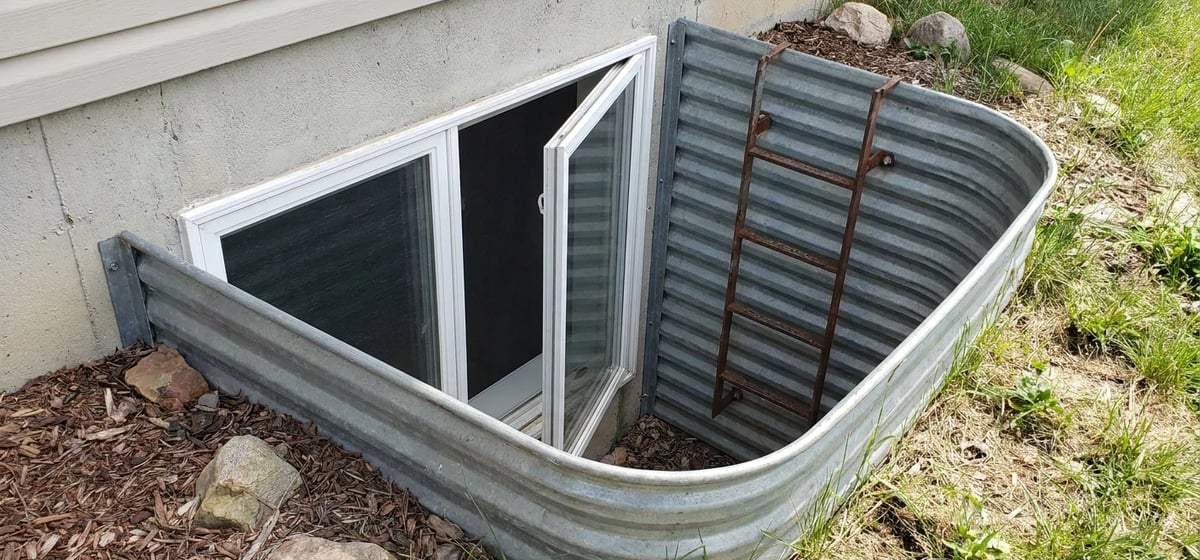
You'll most often hear about egress windows when you plan a basement remodel. If you want to turn a dark, unfinished basement into a legal bedroom or a family game room, you must add an egress window. This usually means digging a large hole outside the foundation wall, cutting through the concrete, and installing a window well.
You will also run into this term when upgrading older homes. Houses built before the 1970s might have tiny, high windows in the bedrooms. When you update your Windows & Doors, your local building department might force you to enlarge the openings to meet modern safety codes.
What to watch for and costs
Building codes are very strict about the exact size of an egress window. A standard window that slides up and down might look large, but it only opens halfway. The open space must be large enough for a firefighter to climb through easily.
- The bottom of the window opening can't be more than 44 inches from the floor.
- The clear opening must be at least 5.7 square feet.
- The opening must be at least 20 inches wide and 24 inches high.
- If the window is in a basement, the outside window well must be at least 36 inches wide and project 36 inches outward.
- If the window well is deeper than 44 inches, it must have a permanently attached ladder.
Installing a brand new basement egress window is a major project. You have to excavate dirt, cut the foundation, and install drainage. Costs usually range from $2,500 to $5,000 per window, though prices vary based on your local labor rates and foundation type. Simply swapping an existing above ground bedroom window for an egress compliant one costs much less. You can check our Window Replacement Cost guide for more details.
Note on tax credits: U.S. federal home energy tax credits have ended. You can't claim the Section 25C credit for any energy efficient windows installed after December 31, 2025. Work installed during 2025 can still be claimed on your 2025 tax return. For incentives today, you should check with your local utility company and state energy office for rebates.
How to maintain your egress windows
Having a large window does you no good if it won't open during an emergency. You need to check these windows at least twice a year. Dirt, dust, and rust can easily jam the tracks. Open and close every bedroom window to make sure it glides smoothly. If you've painted the window frames recently, make sure the paint hasn't sealed the window shut.
Basement window wells require even more attention. Leaves, trash, and snow can fill up the well outside. If the well fills with water, it will eventually leak into your basement and cause water damage. You should clean out the window well every fall. You can also install a clear plastic cover over the well. A cover keeps debris out, but it must be easy to push open from the inside without using any tools or keys.