What Is Efflorescence?
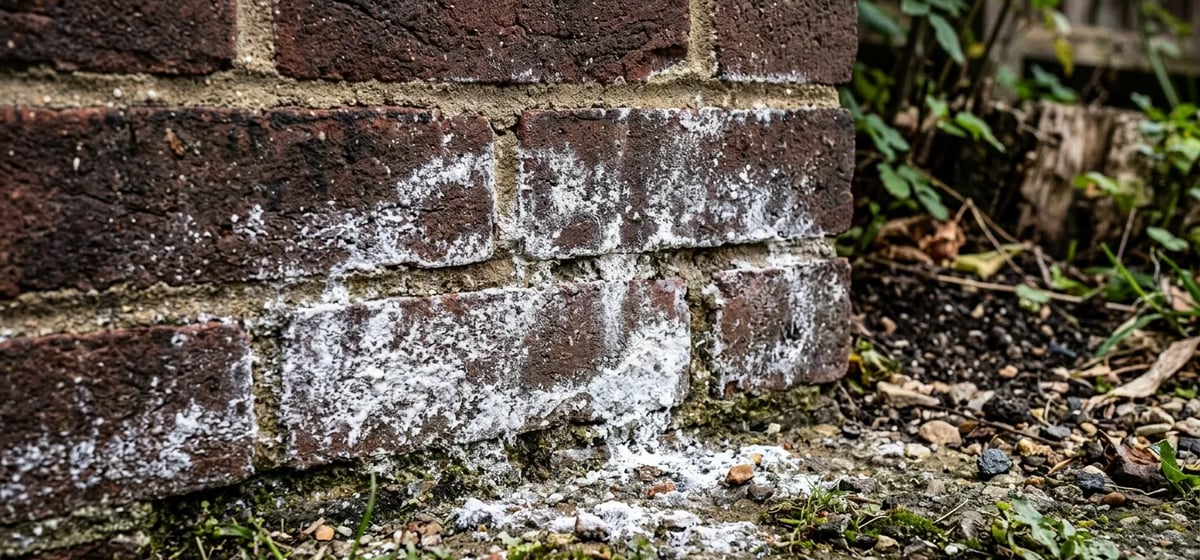
Efflorescence is a powdery white stain that shows up on brick, concrete, stucco, or basement walls. The word comes from a French word that means to flower out. Builders use this term because the salt crystals grow and bloom on the surface of the brick like tiny white flowers. It happens when water leaks through the masonry. All concrete and brick products contain natural salts. When water gets inside, it dissolves these salts. As the water travels to the outside surface and dries in the sun or air, it leaves those salt crystals behind. When you see this white powder, it proves water is getting into the stone or concrete. It is one of the first things a home inspector will look for when you buy a house.
Why It Matters to You
The white powder itself is completely harmless. You can touch it, and it will not hurt you or your pets. It is not mold, even though it sometimes looks like white mold. But the stain is a very clear warning sign. It tells you that water is moving through your walls. Over time, water can cause major damage to your Foundation & Structure. If water keeps freezing and thawing inside the brick during the winter, the brick can crack and crumble. This process is called spalling. Fixing spalled bricks is very expensive because a mason has to cut out the broken bricks and put in new ones. It is much better to catch the problem early when you just see the white powder.
Where You Will Find It
You will mostly see these white stains on porous building materials. Porous means the material has tiny holes that soak up water like a sponge. Here are the most common places you will find it around your home:
- Basement walls: If your yard slopes toward your house, rain water will soak into the dirt and press against your basement walls. The water pushes through the concrete block and leaves white stains inside your basement.
- Brick siding: Rain can soak into the mortar between the bricks on the side of your house. You might see this more on the side of the house that gets hit by heavy wind and rain. Check out our guide to Exterior: Siding, Garage & Decks to learn how to check your siding.
- Retaining walls: Garden walls hold back wet dirt, making them a prime spot for water to seep through.
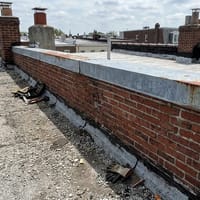
- Chimneys: Chimneys sit high up on your roof and take a beating from rain and snow. If the cap on top of the chimney is cracked, water will pour down inside the brickwork.
How to Fix It
You have to do two things to fix this problem. First, you need to clean the white powder off the wall. Second, you have to stop the water from getting in. If you just clean the wall, the stains will come right back after the next rain storm.
Cleaning the wall is easy. You can clean the powder yourself with a stiff brush, warm water, and a little white vinegar. Scrub the wall and rinse it with fresh water. Do not use a pressure washer on old brick because the high pressure can blast the mortar right out of the joints. If you hire a pro to clean a large brick wall, expect to pay 200 to 500 dollars. Keep in mind that prices vary based on where you live and how big the wall is.
Fixing the water leak is the harder part. You might just need to clean your gutters or add cheap plastic extensions to your downspouts. Sometimes you need to add dirt around your house so water flows away from the foundation. You can learn more about yard grading in our guide to Landscaping, Drainage & Outdoor projects. If you have a serious basement leak, you might need a pro to install a French drain or a sump pump. A new interior drain system costs 2000 to 6000 dollars.