

Pricing Your Home Right
Selling a house is stressful. You have to keep it perfectly clean while strangers walk through it. You have to negotiate with buyers. You have to pack up your entire life. The first step is picking a price. You want top dollar, but buyers want a deal. To find the sweet spot, you need a comparative market analysis.
Your agent pulls recent sales of similar homes in your neighborhood. Look at homes that actually sold. Do not look at active listings. Anyone can ask for a million dollars. What matters is what buyers actually pay.
Closing costs eat into your profit. Sellers usually pay the real estate agent commissions. You also pay title fees and transfer taxes. Expect to pay 6 to 10 percent of the final sale price. Keep in mind that costs vary heavily by region, local tax laws, and your specific contract.
Typical Seller Costs
Here is a rough look at common seller costs on a $400,000 house.
Prepping for Photos and Showings
Before the photographer arrives, you have to prep the house. Buyers look online first. Your photos have to look great. Clear off every counter. Hide personal photos, mail, and daily clutter.

Paint over wild wall colors with a neutral white or light gray. If you need help picking finishes or fixing up the walls, read our guide on interior paint and drywall. Make the house look as big and bright as possible. Open all the blinds and turn on every light for showings.
What to Fix Before You List
Do not remodel the kitchen right before you sell. You will rarely get your money back. Instead, fix the annoying small things. Patch drywall holes. Fix leaky faucets. Replace dead lightbulbs.
| Project | Estimated Cost | Verdict |
|---|---|---|
| Full kitchen remodel | $25,000 to $50,000 | Skip it. You rarely get the money back. |
| Fresh neutral paint | $1,500 to $3,000 | Do it. Paint makes the whole house feel clean. |
| Replacing a failing roof | $8,000 to $15,000 | Negotiable. Replace it or offer a buyer credit. |
| Fixing leaky faucets | $150 to $400 | Do it. Small leaks scare buyers. |
If you have a major issue like a failing roof, you have to decide. You can replace it, or you can lower your asking price. If you decide to fix things, brush up on hiring contractors and understanding costs.
The Seller Disclosure
You have to tell buyers about known problems. Every state has different rules. Usually, you fill out a standard form with a long list of checkboxes.
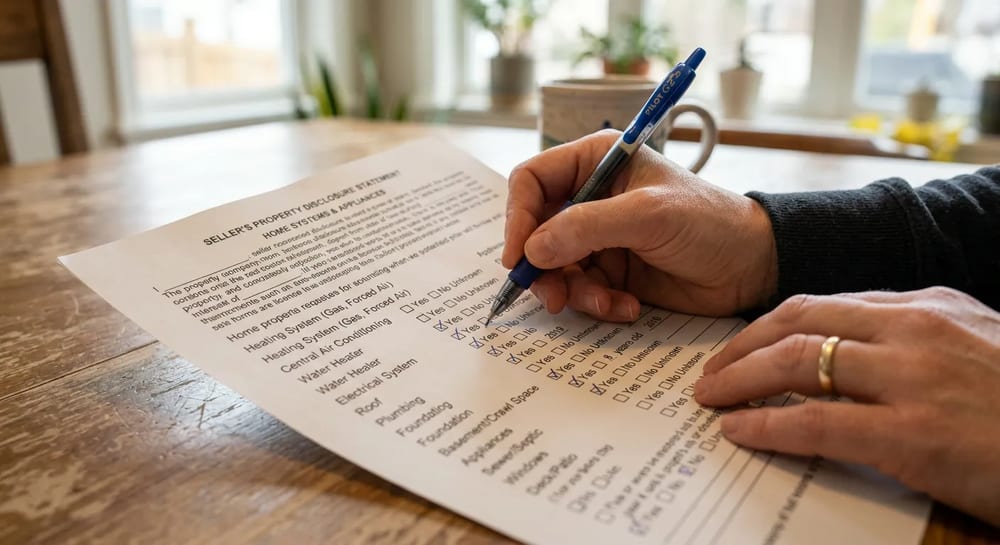
If your basement flooded three years ago, you must disclose it. If you know you have environmental hazards like lead paint or asbestos, you must disclose it. Tell the truth. Do not guess, but do not hide things you know for a fact.
Reviewing Offers and Negotiating
An offer is more than just the price. Look at the contingencies. A buyer might say they will buy the house only if their current home sells first. Look at the earnest money deposit. A larger deposit means the buyer is serious.
You can accept the offer, reject it, or make a counteroffer. You might ask for a higher price. You might ask to change the closing date so you have more time to move.
Surviving the Home Inspection
The buyer will hire an inspector. The inspector will find things wrong with your house. It happens every time, even on brand new houses. They might find a slow leak under a sink or an outdated electrical panel.
The buyer will send you a list of problems. They might ask you to fix these things before closing. They might ask for a cash credit so they can fix it later. You can say yes, say no, or negotiate. Usually, sellers agree to fix major safety issues or broken systems, but refuse to fix minor cosmetic damage.
The Home Appraisal
If the buyer is getting a mortgage, the bank will send an appraiser. The bank wants to make sure the house is actually worth the money they are lending. The appraiser looks at the house and compares it to recent sales.
If the appraisal comes in lower than the agreed sale price, you have a problem. The buyer has to make up the difference in cash, or you have to lower the price. If neither of you will budge, the deal might fall apart.
Closing Day
Closing day is when the paperwork gets signed and the keys change hands. You will sit at a table with a notary or a title agent. You sign the deed over to the buyer.
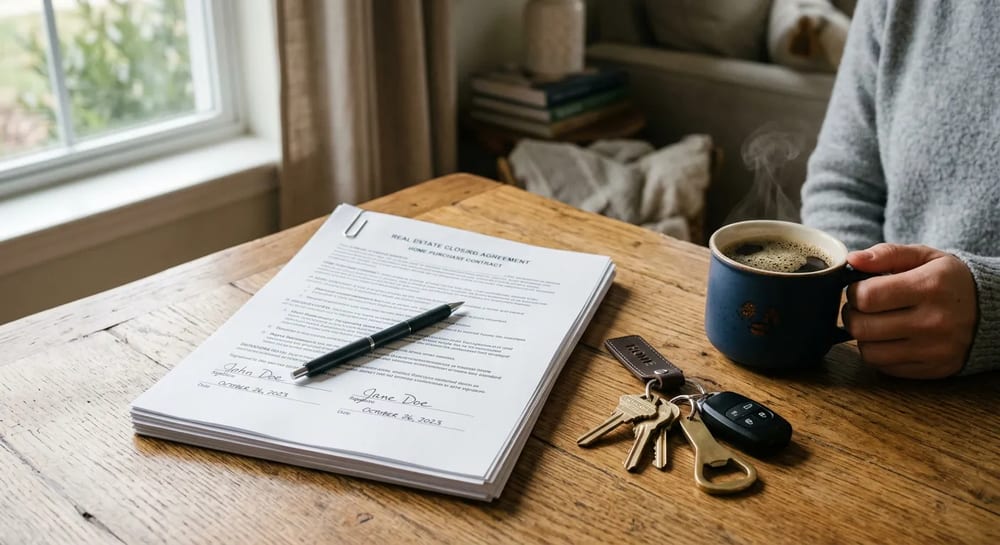
The title company takes the buyer's money and pays off your old mortgage. They pay the real estate agents. They pay the local property taxes. Finally, they send you a wire transfer or a check for your remaining profit. Once the money clears and the deed is recorded at the county office, you are officially done.