What Is Felt Paper?
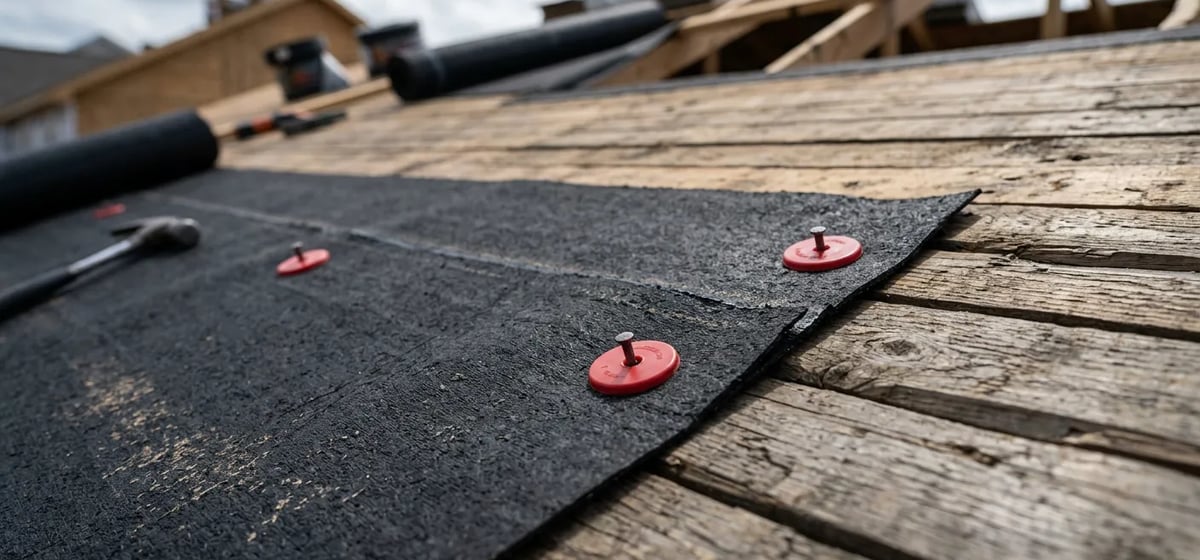
Felt paper is a heavy sheet of black paper soaked in asphalt. Roofers roll it out over your bare wooden roof deck before they nail down your shingles. You might also hear contractors call it tar paper or roofing underlayment. The term dates back to the mid 1800s. Builders back then started using recycled rags to make a thick, felted paper. They soaked it in tar or asphalt to make cheap waterproofing for roofs. Today, it is mostly made from recycled paper products and fiberglass.
This material acts as a secondary shield for your house. Your main roofing materials like shingles or metal panels take the brunt of the weather. However, shingles are not completely waterproof. High winds can blow rain right up under them. When that happens, the felt paper catches the water and lets it slide down into your gutters.
Why It Matters To You
Think of felt paper as a raincoat you wear under a heavy winter coat. The winter coat stops the snow, but the raincoat keeps you dry if the snow melts and soaks through. Felt paper protects your bare wood roof framing from rotting. It also protects your home interior from sudden leaks.
It plays a huge role during the actual construction of your roof. When roofers tear off your old shingles, your house is completely exposed. They lay down the felt paper right away. This protects your home from surprise rain showers while they work. It also gives the roofers a safer, less slippery surface to walk on.
In colder climates, felt paper works alongside ice and water shields. Ice dams can form on the edges of your roof during winter. This trapped water often tries to back up under your shingles. A solid layer of underlayment stops that moisture from reaching your attic ceiling.
What It Costs
Felt paper is one of the cheapest parts of a roof replacement. The material itself is very affordable. A standard roll of 15 pound felt paper covers about 400 square feet. It usually costs 20 to 30 dollars per roll at a hardware store. The heavier 30 pound felt paper covers about 200 square feet per roll and costs roughly the same price.
If you are hiring a pro, they will include the cost of the underlayment in your total project quote. For an average US home, the felt paper materials and the labor to install them will add 400 to 800 dollars to your total roofing bill. Keep in mind that prices vary based on where you live and the size of your roof. Upgrading to a modern synthetic underlayment might add another 200 to 400 dollars to the total job.
What To Watch For
You will usually only deal with felt paper when you get a new roof or fix a major leak. If you are looking over quotes from different roofers, check what kind of underlayment they plan to use. Compare the quotes carefully. You can read more about hiring contractors and what things cost to help you decide the best path forward.
- Wrinkles: Traditional felt paper can absorb moisture from the air. If it gets wet before the shingles go on, it can wrinkle. Those wrinkles can sometimes show through your new shingles.
- Tearing: High winds can tear standard 15 pound felt paper easily. If your roofers leave it exposed to a storm overnight, they might need to replace sections the next day.
- Lifespan: Felt paper dries out and gets brittle over time. The heat baking down on your roof speeds this up. When it is time to replace your roof in 20 or 30 years, the old felt paper will crumble and need to be completely scraped off.
- Synthetic options: Woven plastic underlayment is taking over the market. It costs a bit more, but it does not tear easily and it lays completely flat. Ask your roofer which option they included in their bid.