What is a Gasket?
A gasket is a flexible piece of material that seals the gap between two surfaces. It stops water, air, or gas from escaping. The word likely comes from an old French word for a rope used to tie up sails on a ship. Mechanics and engineers later adopted it to describe any material used to pack a joint tight.
Today, they're mostly made out of rubber, silicone, cork, or metal. When you squish a gasket between two hard parts, it fills in all the tiny spaces. This creates a perfect seal. Without them, your pipes would leak and your fridge wouldn't stay cold.
Where You'll Find Them
You've got hundreds of gaskets all over your house. They do a lot of quiet work behind the scenes. Here are the most common places you'll run into them.
- Sinks and toilets: Every pipe connection has a small rubber ring inside. Your faucets also use them to stop drips. You can read more about your home water systems in our Plumbing guide.
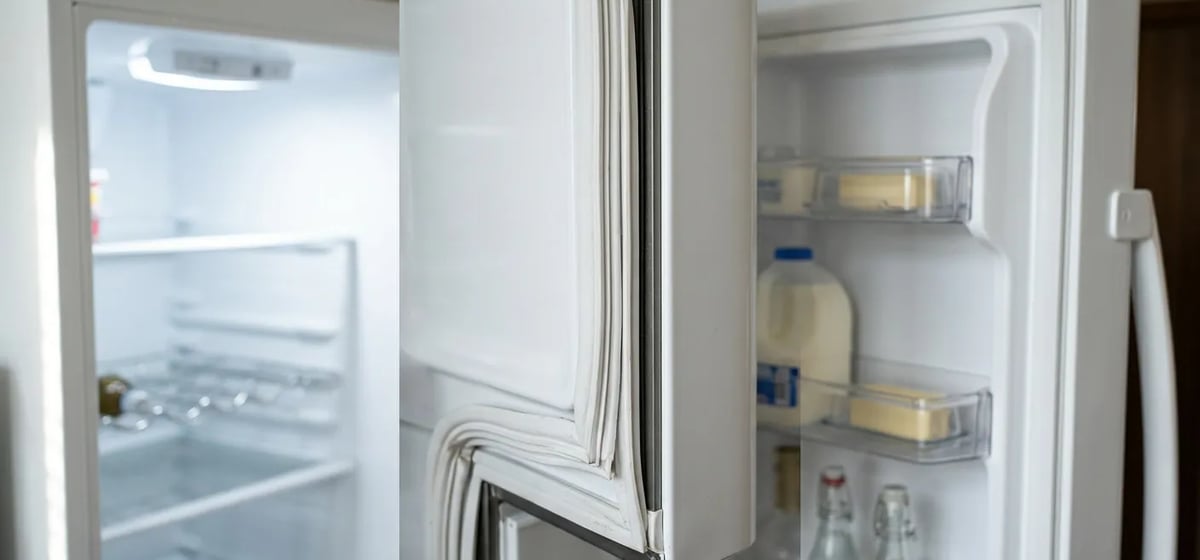
- Refrigerators and ovens: The thick rubber seal around your fridge door is a magnetic gasket. It keeps the cold air trapped inside. Your oven door has a heat-proof one to keep the kitchen cool.
- Dishwashers and washing machines: The big rubber ring around the door stops soapy water from pouring onto your floor. Check out our Appliances page to learn how to maintain these machines.
- Windows and doors: Weatherstripping is a type of gasket. It blocks cold drafts from coming inside during the winter.
Signs of a Bad Gasket
Over time, rubber and silicone dry out. They get hard, crack, and lose their shape. When a gasket fails, you'll usually notice a leak right away.
If the seal around your fridge door gets brittle, the motor has to run constantly to keep your food cold. You might see ice building up inside the freezer. If a pipe seal goes bad under your kitchen sink, you'll find a puddle of water inside your cabinet. A cracked seal on your washing machine door will leave a mess on your laundry room floor.
What It Costs to Replace Them
Gaskets are usually very cheap. The real cost comes from the labor to install them. Keep in mind that prices vary depending on where you live and the brand of your appliance.
- Plumbing fixtures: A small rubber ring for a faucet costs 2 to 5 dollars at the hardware store. It's an easy fix you can do yourself in a few minutes. If you hire a plumber to fix a dripping faucet, expect to pay 150 to 300 dollars for the service call.
- Refrigerator doors: A new door seal costs 50 to 120 dollars. You can usually press a new one into place with your fingers. Hiring an appliance repair pro will add 100 to 200 dollars in labor.
- Washing machines: The large rubber boot on a front-load washer costs 70 to 150 dollars. Replacing it takes a lot of work. A pro will usually charge 250 to 400 dollars total for parts and labor.
Checking your seals once a year is a smart habit. A five dollar piece of rubber can save you hundreds of dollars in water damage or wasted electricity.