What Is a Gambrel Roof?
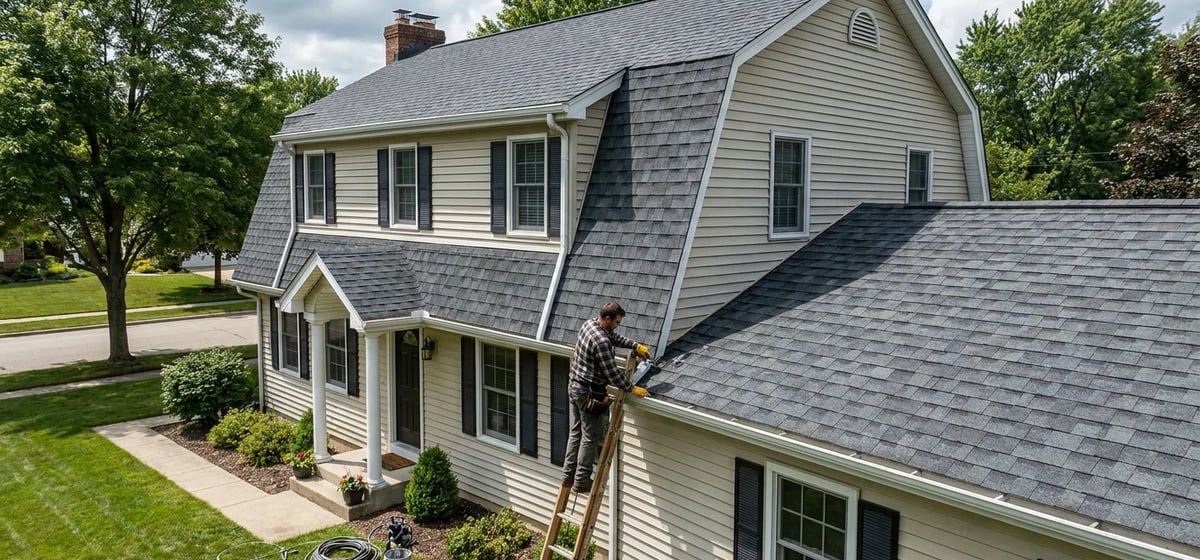
A gambrel roof is a specific style with two different slopes on each side of the peak. This shape makes a house look like a classic American barn. The upper slope near the top is slightly flat. The lower slope drops down steeply toward the ground. The name comes from the Old French word gambarel, which meant the bent leg of a horse. Builders in colonial America popularized this style in the 1600s. They wanted a way to maximize storage space without the cost of building a full second story.
You will often see this roof on Dutch Colonial style homes, barns, and large sheds. The design is very practical. It gives you the benefits of a two story house while only requiring the building materials for a one story house. If you are looking at Buying a Home, you might notice these roofs on older historic houses or modern farmhouses.
Why This Roof Matters to You
The biggest benefit of a gambrel roof is extra living space. A standard triangle roof leaves you with a cramped attic. The steep lower slopes of a gambrel roof push the walls outward. You get much more headroom in your attic or upper floor when you build this shape. Many homeowners use this bonus space for a master bedroom, a home office, or a playroom.
Because the steep lower walls act almost like regular house walls, it is very easy to add dormer windows. These windows bring natural light into that upper floor. They also make the house look larger from the street. If you ever plan to finish the attic, adding dormers to a gambrel roof is a very popular upgrade.
This roof style is also easy to frame. The design uses shorter pieces of lumber than a traditional tall roof. This can save money on materials during the initial construction. The steep lower sides also do a great job of shedding rain. Water runs right off the sides and into your gutters.
What to Watch For
While a gambrel roof offers great space, it does have a few weak points. You need to keep a close eye on the weather in your area. The unique shape creates specific challenges for maintenance and Roofing repairs.
- Heavy snow buildup: The upper slope is almost flat. Snow does not slide off this top section easily. Heavy snow can pile up and add massive weight to your roof frame.
- Wind damage: The steep lower slopes act like a sail. They catch high winds during storms. If you live in an area with hurricanes or tornadoes, your roof will need special reinforced bracing.
- Water leaks at the joint: The spot where the upper slope meets the lower slope is a common place for leaks. Water can seep under the shingles if the flashing is old or damaged.
- Poor ventilation: The shape makes it hard to move air through the attic space. You might need extra ridge vents or attic fans to stop moisture from building up.
Repair and Replacement Costs
Replacing the shingles on a gambrel roof will usually cost more than a standard gable roof. The steep lower sections make the job dangerous. Roofers have to use special safety harnesses and scaffolding to work on those steep sides. This adds extra labor time to your bill.
A full roof replacement for a typical gambrel home runs from $9,000 to $18,000 using standard asphalt shingles. Metal roofing will push that price up to $15,000 to $30,000. These ranges vary widely based on your zip code, the height of your house, and the materials you choose. If a storm damages your roof, you will want to check your Home Insurance policy to see if wind or snow damage is fully covered.
You also need to factor in the cost of custom gutters. The steep pitch means rain water rushes down very fast. You will need oversized gutters to handle the heavy flow without spilling over the edges. Upgrading to six inch gutters usually costs $1,500 to $2,500 depending on the size of your home. Routine maintenance is also slightly higher. Expect to pay $300 to $600 just for a professional inspection and minor flashing repairs at the slope joints. Never try to walk on the steep lower slopes yourself.