What Is A GFCI Receptacle?
A GFCI receptacle is a special type of electrical outlet designed to protect you from deadly shocks. GFCI stands for Ground Fault Circuit Interrupter. An electrical engineer named Charles Dalziel invented the modern version in 1961 to prevent fatal shocks in homes. It constantly monitors the electricity flowing in and out of the plug. If it detects a sudden drop in current, it'll instantly cut the power before you can get hurt.
Standard outlets only protect your home from electrical fires. They have circuit breakers that trip if too much power flows through the wires. However, standard breakers don't trip fast enough to save a person from a shock. A GFCI outlet is different. It reacts in less than one tenth of a second. It measures the power going in and the power coming back. If even a tiny amount of electricity goes missing, the outlet assumes the power is leaking into a person or a pool of water. It shuts off immediately.
Where To Find Them In Your Home
Building codes require these special outlets in specific areas of your house. You'll usually find them anywhere water is present. Water makes it very easy for electricity to travel into your body. Because of this risk, you should look for GFCI outlets in these locations:
- Bathrooms near the sink or tub.
- Kitchens along the countertop spaces.
- Laundry rooms near the washing machine or utility sink.
- Garages and unfinished basements.
- The outside exterior walls of your house.
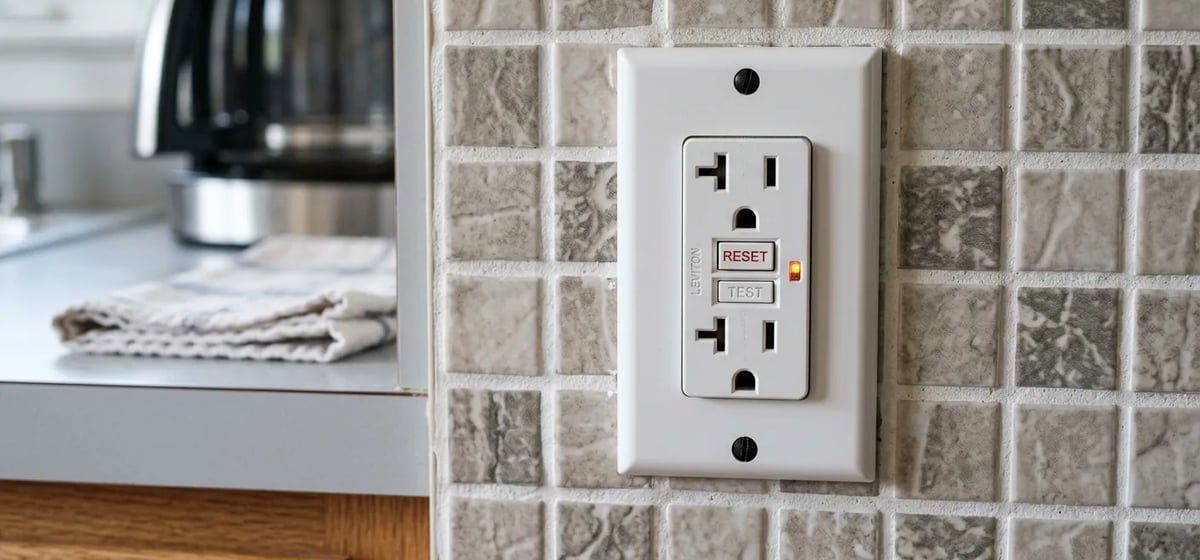
If you're going through Your First Week as a Homeowner, take a walk around your property to locate them all. You can easily spot them. They have two small buttons on the faceplate. One button says "Test" and the other says "Reset". Sometimes these buttons are red and black, but often they just match the color of the outlet.
How To Test And Reset Your Outlets
GFCI outlets have sensitive electronics inside them. These parts can wear out over time, especially after power surges or severe thunderstorms. You should test them once a month to make sure they still protect you.
Sometimes, an outlet will trip on its own. This happens if moisture gets into the plug or if an appliance is faulty. If your bathroom outlet suddenly stops working, check the "Reset" button. Push it in firmly. If it clicks and the power comes back, you're good to go. If the button refuses to stay pushed in, you either have a bad appliance plugged in or the outlet itself is dead.
What It Costs To Replace One
These outlets usually last 10 to 15 years. When one breaks, it'll either refuse to provide power or it'll refuse to trip when tested. You need to replace a broken GFCI outlet right away to keep your home safe. You can learn more about general electrical safety in our Electrical guide.
The cost to fix this issue is fairly low. A single GFCI replacement outlet costs 15 to 30 dollars at your local hardware store. If you decide to hire a licensed electrician to do the work, expect to pay 100 to 250 dollars per outlet. Keep in mind that prices vary depending on where you live and how hard the outlet is to reach. Many electricians charge a minimum service fee just to show up at your house. To save money, you might want to wait until you have a few electrical repairs to do at once.
You can replace the outlet yourself if you have basic tools and know how to turn off your main circuit breaker. However, working with electricity is dangerous. If you're unsure about wiring, it's always best to call a professional. Check out our DIY vs. Hiring a Pro guide if you need help deciding which route to take.