What Grading Is
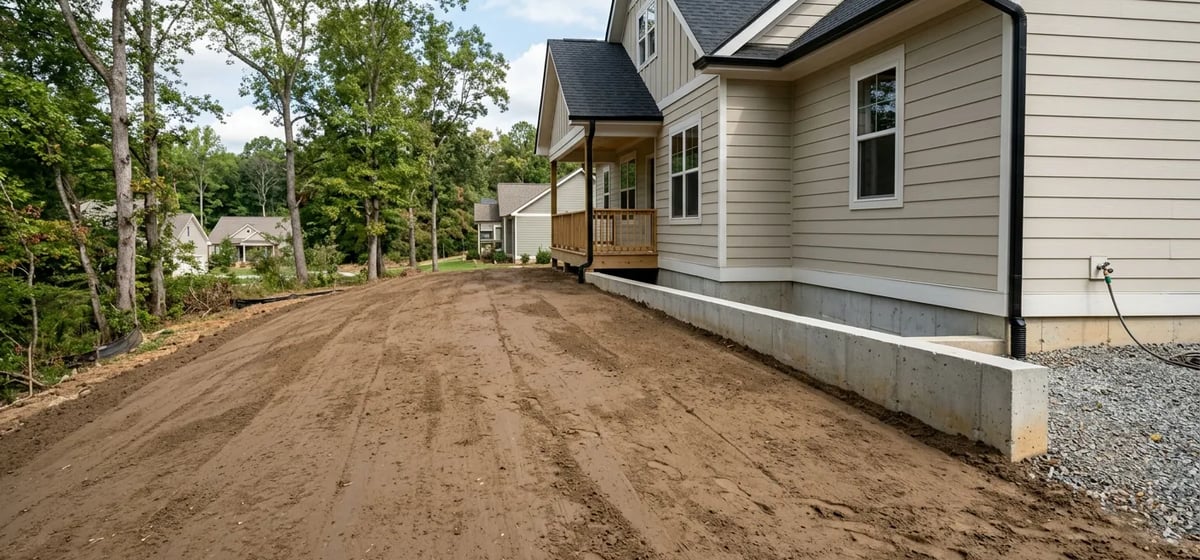
Grading is the way the dirt slopes around your house. When a builder constructs a home, they shape the earth so it tilts down and away from the exterior walls. This slope guides rainwater and melting snow away from your home. It directs the water toward the street, an alley, or a storm drain. You want a steady drop of at least six inches over the first ten feet away from your walls. This is the golden rule for keeping your home dry.
The slope often changes as your house ages. When your house was built, the crew dug a large hole for the foundation. After they poured the concrete, they filled the extra space with loose dirt. Over five to ten years, that loose dirt settles and sinks. This sinking creates a flat area or even a bowl shape around your house. Suddenly, the slope that used to push water away is now pulling water right back to your walls.
Why It Matters to You
Water is the biggest enemy of your home. If the dirt around your house is flat, water sits in place. If the dirt slopes toward your house, water flows right against your walls. This creates a giant puddle around your Foundation & Structure. Over time, that sitting water causes massive problems.
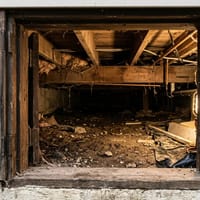
Water finds tiny cracks in your concrete and seeps into your basement or crawlspace. The pressure from the wet, heavy soil can even bow your foundation walls inward. Fixing a ruined foundation costs tens of thousands of dollars. Proper grading is your first line of defense to stop these expensive disasters before they start.
Signs of Bad Grading
You can spot poor grading with a quick walk around your yard after a heavy rain. Look for these common warning signs:
- Puddles that sit near your foundation for more than an hour after the rain stops.
- Mud splatters high up on your siding.
- Damp spots, a musty smell, or active leaks inside your basement.
- Soil that has settled or sunk right next to your front porch or back patio.
- Exposed tree roots or washed out flower beds near the house.
Your gutters also play a huge role here. If your downspouts dump water directly onto flat ground next to your house, it will wash away your dirt and ruin your slope. Always attach extensions to your downspouts to push the water at least four to six feet away from your foundation.
How to Fix It and What It Costs
Sometimes, fixing your slope is a simple weekend project. You can buy topsoil from a garden center and pack it against your foundation to create a gentle ramp away from the house. You just need a shovel, a wheelbarrow, and some sweat. Make sure the dirt stays at least four to six inches below your siding so you do not invite termites or rot into your walls.
If you decide to tackle this yourself, a cubic yard of topsoil costs roughly 30 to 50 dollars. You can usually get it delivered right to your driveway. Be careful not to block your basement windows or cover your gas meter when you spread out the new dirt. You can weigh your options by checking out our guide on DIY vs. Hiring a Pro.
For bigger problems, you might need to hire a landscaping crew. They can bring in truckloads of fill dirt or install special drains. You can learn more about these outdoor fixes in the Landscaping, Drainage & Outdoor guide. Expect to pay between 500 to 3000 dollars for professional grading work. A simple dirt delivery and minor leveling sits at the low end. If the crew needs to use heavy machines to reshape your whole yard or install a French drain, the price climbs higher. Costs always vary based on where you live and how hard it is to access your yard.