What Is Greywater?
Greywater is the gently used water that drains from your bathroom sinks, showers, tubs, and washing machines. Environmental engineers coined the term in the 1970s to contrast with blackwater. Blackwater contains human waste from toilets. Greywater gets its name from the cloudy color of soapy water. It doesn't include raw sewage or heavy food waste from your kitchen sink. This water is relatively clean. It is safe to reuse in your yard if you handle it correctly. Many homeowners capture this water in special tanks or pipes to safely water their lawns and trees.
Why It Matters to You
Using greywater can save you a lot of money and help the environment. An average family produces dozens of gallons of this reusable water every single day. Instead of sending it all down the sewer, you can pipe it directly into your yard to water trees and bushes. This practice cuts down your monthly water bill. It is especially helpful if you live in a state with strict drought rules or frequent watering bans. By reusing water, you take a big load off your local sewer system. You also keep your garden green during dry summer months. Using less municipal water reduces the energy your city uses to treat and pump water to your house.
Fruit trees, bushes, and large shrubs thrive on this type of water. If you want to read more about keeping your yard healthy, check out our guide on Landscaping, Drainage & Outdoor.
How Greywater Systems Work
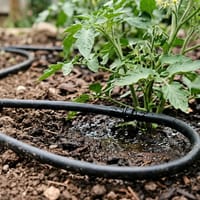
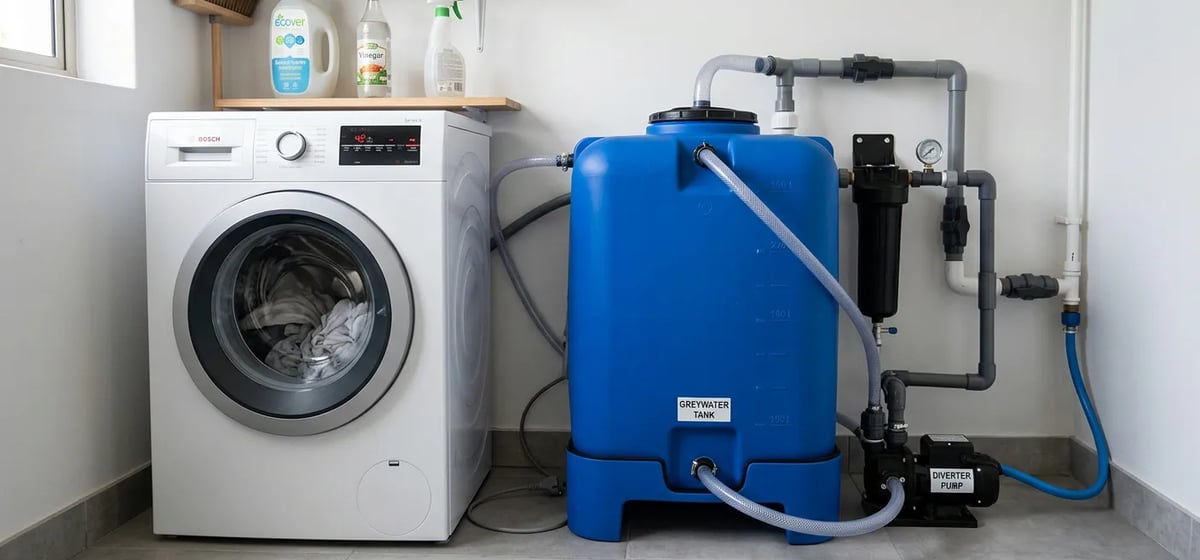
Most homes don't come with greywater plumbing already built in. You usually have to add a special system to capture the water before it mixes with the blackwater in your main drain. The most common setup is a laundry to landscape system. This simple design connects a diverter valve to your washing machine drain hose. When you wash clothes, the pump pushes the leftover water outside through a plastic pipe. The pipe releases the water directly into the soil near your plants.
More complex systems can capture water from your showers and bathroom sinks. These setups require a plumber to alter your home pipes. They often include an underground surge tank to hold the water temporarily. The tank filters out hair and lint before a pump sends the water to your yard. If you are curious about how your home pipes connect, read our Plumbing guide.
Costs and What to Watch For
Setting up a greywater system involves some upfront costs. A simple laundry to landscape system is very affordable. If you buy the parts and do it yourself, you might spend 150 to 300 dollars. If you hire a professional plumber to install a larger system for your showers and sinks, expect to pay 1,000 to 3,000 dollars or more. Keep in mind that these ranges vary widely based on your location and the layout of your home.
When you use greywater, you must change how you manage your home products and water flow. Here are a few basic rules to follow:
- Buy special soaps and laundry detergents that are safe for plants and soil.
- Never store the water for more than 24 hours to prevent bad smells and bacteria.
- Release the water directly into the soil instead of spraying it through a sprinkler.
- Avoid using this water on root vegetables or edible plants that touch the soil.
If you plan to hire someone to build your system, review our tips on Hiring Contractors & What Things Cost.