What is a grid tie system?
A grid tie solar system is the most common way to put solar energy on your house. It means your home solar setup connects directly to your local utility power lines. Think of it as a two way street for electricity. During a bright sunny day, your roof panels might make more power than your home actually uses. That extra power flows outward through your meter and into the city grid. When the sun goes down or a heavy storm rolls in, your panels stop making power. Your home then automatically pulls normal electricity from the utility company. You don't have to flip any switches or turn any dials. The shift happens in the background while you go about your day.
This setup isn't the same as an off grid system. An off grid home relies completely on large, expensive battery banks to store power for the night. A grid tie system simply uses the public utility as a giant invisible battery. You share your extra power when you have it, and you borrow power when you need it. It is the easiest way to power a modern home with the sun.
How net metering saves money
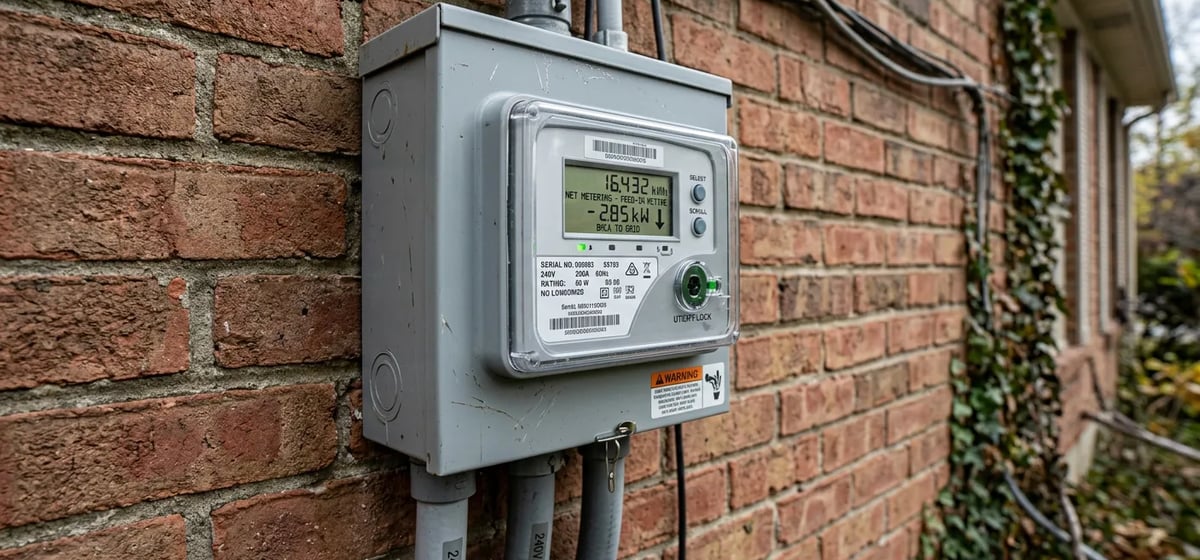
When you install a grid tie system, the power company swaps out your old electric meter. They install a special bidirectional meter in its place. This new meter tracks the power you pull from the grid and the power you send back to the grid. The process of getting credit for your extra solar power is called net metering.
At the end of the billing cycle, the utility company looks at both numbers. If you sent more power to the grid than you used, you usually get a credit on your next bill. If you used more than you sent, you just pay for the difference. This is why many homeowners see their electric bills drop to almost zero during the long summer months. You will still pay a small monthly connection fee to the utility company to stay hooked up to their lines. However, the heavy cost of running your air conditioner drops significantly. If you want to learn more about cooling costs, check out our guide on HVAC & Climate Control.
What to watch out for
Many homeowners assume their solar panels will keep their lights on during a bad storm. This is a major misunderstanding. If your neighborhood loses power, a standard grid tie system shuts down completely. This happens even if the sun is shining brightly outside.
If you want backup power during an outage, you have to add a battery to your system. A hybrid grid tie system includes a battery pack mounted in your garage. The battery keeps your fridge and lights running while the main grid is down. Keep in mind that batteries add a lot of money to your project. You have to decide if the extra cost is worth the peace of mind.
Costs and installation
Putting a grid tie solar system on your roof is a major project. You must hire a licensed professional to do the work. They will handle the complex wiring and make sure everything meets local building codes. You also need special permits from your city and official permission from your utility company before you can turn the system on.
A typical grid tie setup for an average American home costs 15,000 to 25,000 dollars before tax credits. Prices vary widely based on your location, the size of your roof, and the brand of panels you choose. Adding a single home battery for backup power will add 10,000 to 15,000 dollars to that total. If you're thinking about upgrading your home, you can read more about Solar Panels to see if the investment makes sense for you. Always get at least three quotes from local installers before you sign a long contract.